

Application and Optimization of Pneumatic Conveying Technology in PVC Resin Powder Conveying Design
HeadPowder, a leading engineering firm based in Shandong, China, specializes in advanced material handling solutions tailored for industries requiring efficient and reliable transport of fine powders, such as PVC resin. With a focus on optimizing material flow and process efficiency, the company leverages cutting-edge pneumatic conveying technologies to address the unique challenges associated with PVC resin powder handling. This article explores the application and optimization strategies of pneumatic conveying systems in PVC resin powder transport, highlighting key considerations and best practices for effective implementation.
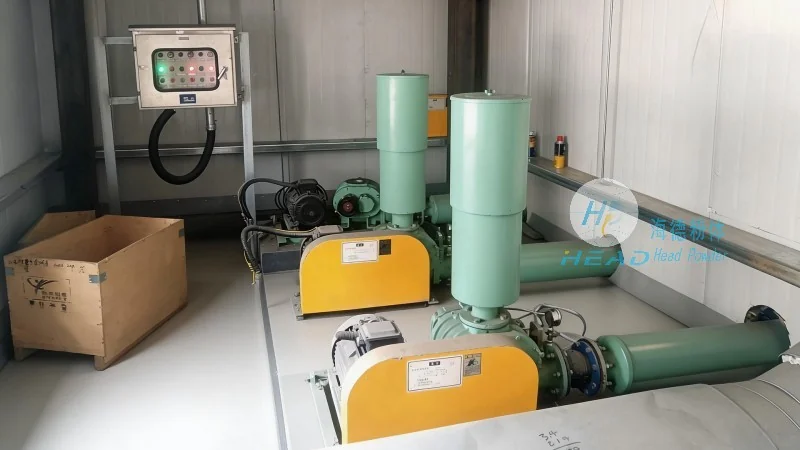
Pneumatic Conveying Basics and Its Relevance to PVC Resin Powder
Pneumatic conveying is a method of transporting bulk materials, including powders, through a pipeline using air or gas as the conveying medium. Unlike mechanical systems like screw conveyors or belt conveyors, pneumatic systems offer advantages such as minimal product contamination, flexibility in layout, and the ability to handle materials over long distances. For PVC resin powder, which is often sensitive to moisture and requires precise control during transport, pneumatic conveying provides a hygienic and efficient solution. The technology involves creating a pressure differential within the pipeline, either by suction (negative pressure) or pressure (positive pressure), to move the powder from the source to the destination. This method is particularly suitable for PVC resin due to its fine particle size and the need to avoid agglomeration or degradation during handling.
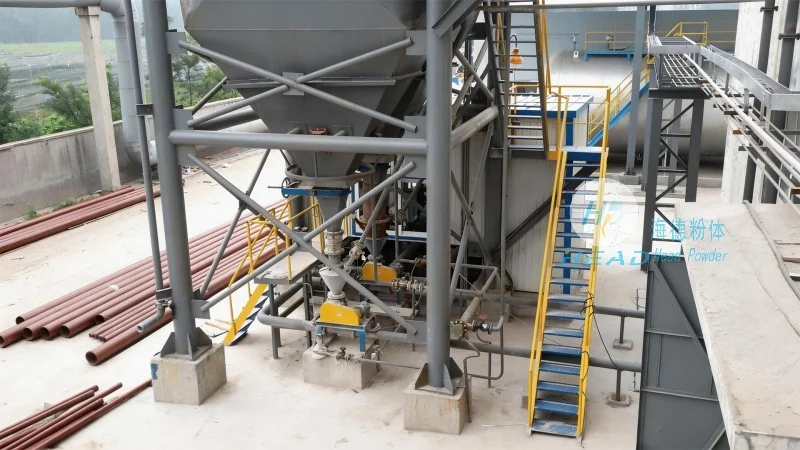
Key Design Considerations for PVC Resin Powder Pneumatic Conveying Systems
Designing an effective pneumatic conveying system for PVC resin powder involves several critical factors that ensure optimal performance and longevity. First, the choice between positive and negative pressure systems depends on the application requirements, such as the distance between the source and destination, the volume of material to be transported, and the need for product containment. Positive pressure systems, which use compressed air to push the material, are ideal for short to medium distances and can handle larger volumes, while negative pressure systems, which use vacuum to pull the material, are better suited for longer distances and require careful attention to air leakage and filtration. For PVC resin, which can be abrasive and generate static electricity, the selection of appropriate pipeline materials, such as stainless steel or food-grade plastic, is crucial to prevent corrosion and maintain product purity. Additionally, the design of the conveying line, including the number and placement of bends, elbows, and filters, must be optimized to minimize pressure drop and ensure consistent flow. Proper filtration is essential to remove dust and prevent clogging of the system, which can lead to downtime and increased maintenance costs.
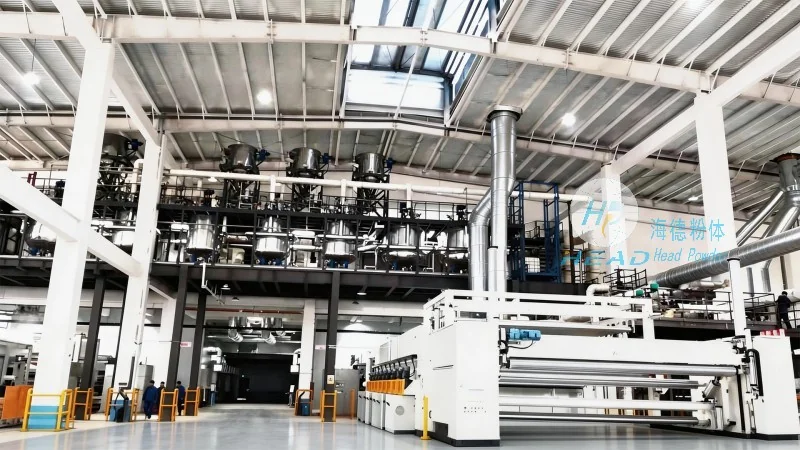
Optimization Strategies for Enhanced Performance
To maximize the efficiency and reliability of pneumatic conveying systems for PVC resin powder, several optimization strategies are employed. One key approach is the use of variable frequency drives (VFDs) to control the air flow and pressure, allowing for precise adjustment based on the material's characteristics and system load. This helps in reducing energy consumption while maintaining consistent material transport. Another important optimization is the implementation of in-line monitoring and control systems, such as pressure sensors and flow meters, which provide real-time data on the system's performance. This data enables operators to identify and address issues promptly, such as blockages or pressure drops, before they escalate into major problems. Furthermore, regular maintenance and cleaning of the conveying line, filters, and equipment are essential to prevent wear and tear and ensure the system operates at peak performance. HeadPowder, with its expertise in material handling engineering, offers comprehensive services including system design, installation, and maintenance to ensure that pneumatic conveying systems for PVC resin powder are optimized for maximum efficiency and minimal downtime.
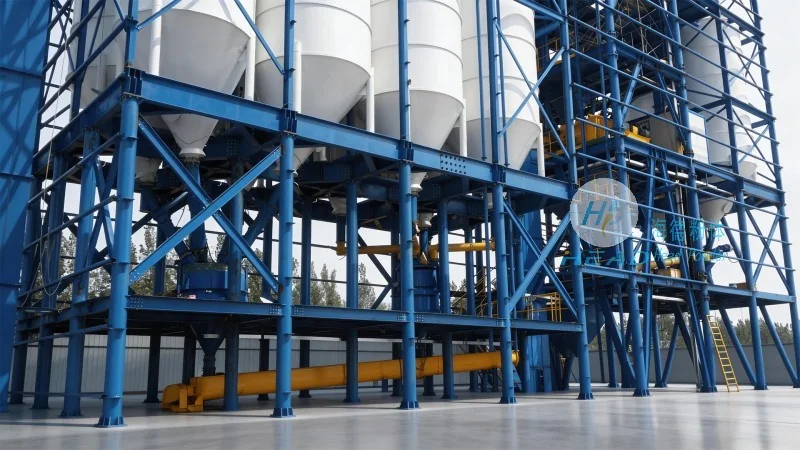
Conclusion: The Role of Pneumatic Conveying in Modern PVC Resin Handling
In conclusion, pneumatic conveying technology plays a vital role in the efficient and reliable handling of PVC resin powder. By leveraging advanced design principles and optimization strategies, companies can overcome the challenges associated with fine powder transport, ensuring product quality, minimizing operational costs, and improving overall process efficiency. HeadPowder Engineering Co., Ltd., with its headquarters in Shandong, China, continues to lead the way in providing tailored pneumatic conveying solutions that meet the specific needs of the PVC industry. Through continuous innovation and a commitment to quality, the company helps its clients achieve optimal performance and sustainable growth in their material handling operations.