

Efficient and Clean TiO2 Transport: An In-Depth Look at Pneumatic Conveying Technology
When it comes to transporting titanium dioxide (TiO2), efficiency and cleanliness are paramount. Traditional methods often fall short in meeting these demands, leading to operational inefficiencies and environmental concerns. This is where pneumatic conveying technology steps in as a superior solution, offering a clean, reliable, and high-performance approach to TiO2 transport. In this article, we delve into the specifics of how pneumatic conveying technology enhances TiO2 delivery, with a focus on the expertise of Shandong HeadPowder Engineering Co., Ltd., a leading provider in the field.
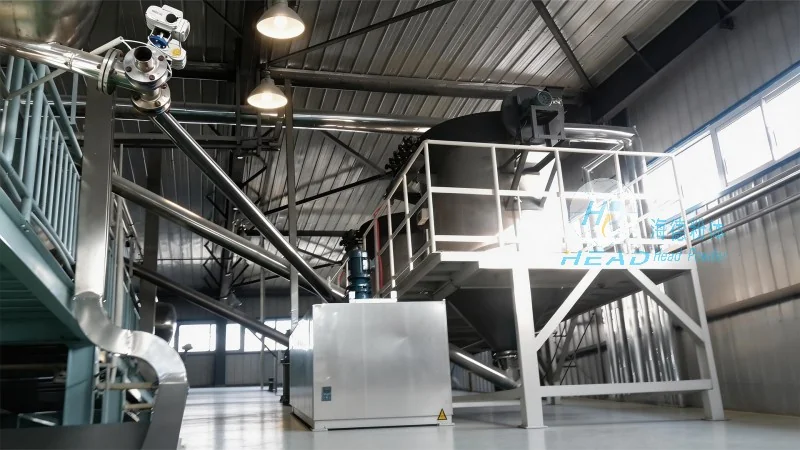
Understanding Pneumatic Conveying for TiO2 Transport
Pneumatic conveying systems utilize air or other gases to transport bulk materials like TiO2 through a pipeline network. Unlike mechanical conveying methods, which rely on belts, buckets, or screw conveyors, pneumatic systems offer a dust-free and hygienic environment. This is particularly crucial for TiO2, a material widely used in paints, coatings, plastics, and other industrial applications where purity and consistency are non-negotiable. The core principle involves creating a pressure differential to move the material, ensuring minimal product degradation and maximum operational efficiency.
The Advantages of Pneumatic Conveying for TiO2
For TiO2 transport, pneumatic conveying presents several key advantages. First, it eliminates the need for manual handling, reducing labor costs and the risk of contamination. The enclosed system prevents dust emissions, aligning with stringent environmental regulations and maintaining a clean workplace. Additionally, pneumatic systems can handle varying material flow rates and can be easily integrated with existing production lines. They also offer flexibility in terms of layout, allowing for complex routing without the need for multiple transfer points. These benefits collectively contribute to a more sustainable and cost-effective TiO2 transport solution.
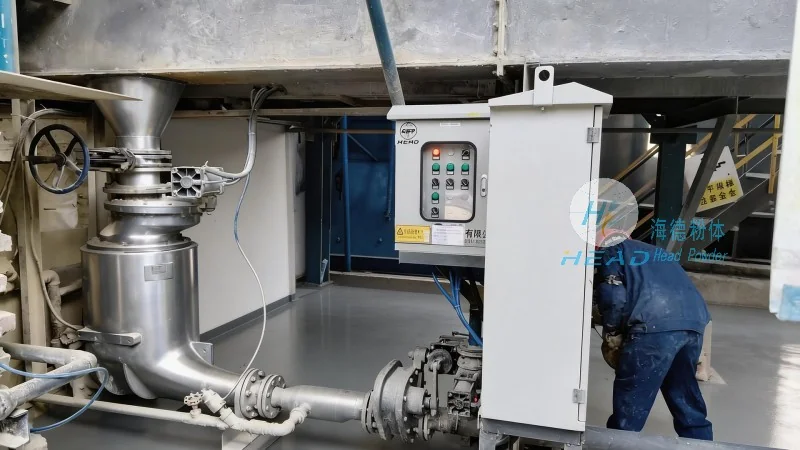
HeadPowder's Expertise in Pneumatic Conveying Technology
Shandong HeadPowder Engineering Co., Ltd., commonly known as HeadPowder, has established itself as a trusted name in the design and implementation of pneumatic conveying systems for TiO2 and other fine powders. With years of experience, the company specializes in customizing solutions to meet the unique requirements of each client. HeadPowder's team of engineers leverages advanced engineering principles and industry best practices to develop systems that optimize performance, reduce energy consumption, and ensure long-term reliability. The company's commitment to quality is evident in its adherence to international standards and rigorous testing protocols, ensuring that every system meets the highest operational standards.
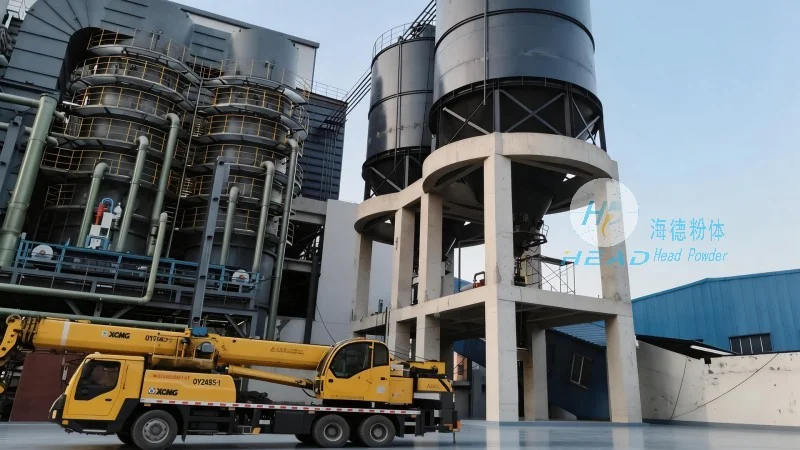
Key Components of a Pneumatic Conveying System for TiO2
A typical pneumatic conveying system for TiO2 consists of several critical components. These include the material feed hopper, which holds the TiO2 and regulates the flow; the air compressor or blower, which generates the necessary pressure; the pipeline network, which transports the material; and the receiver or discharge hopper, where the material is collected. The selection of each component is crucial, as it directly impacts the system's efficiency and performance. For instance, the type of air compressor (positive displacement or centrifugal) and the pipeline material (stainless steel or plastic) are carefully chosen based on the specific characteristics of the TiO2, such as its particle size, moisture content, and flowability. HeadPowder's engineers conduct thorough analyses to ensure that each component is optimized for the application, resulting in a system that operates smoothly and efficiently.
Implementing Pneumatic Conveying for TiO2: Best Practices
Successfully implementing a pneumatic conveying system for TiO2 requires careful planning and execution. HeadPowder follows a systematic approach to ensure that every project is completed to the highest standards. The process begins with a comprehensive site assessment to understand the existing infrastructure and operational needs. This is followed by detailed engineering design, including the selection of equipment, system layout, and control strategies. During the installation phase, the company's skilled technicians ensure that all components are properly assembled and tested to meet performance specifications. Post-installation, HeadPowder provides comprehensive training to the client's staff, ensuring they are equipped to operate and maintain the system effectively. This end-to-end support ensures that clients can maximize the benefits of pneumatic conveying technology and achieve long-term operational success.