

Preventing Dust Leakage in Pneumatic Conveying Systems for Pearl Sand Powder
When it comes to handling pearl sand powder through pneumatic conveying systems, operators often face significant challenges, particularly concerning dust leakage and material loss. Pearl sand, with its fine particles and unique properties, demands specialized equipment and techniques to ensure efficient, safe, and clean material transport. This article explores effective strategies to prevent dust leakage while maintaining optimal performance in pneumatic conveying applications for pearl sand powder.
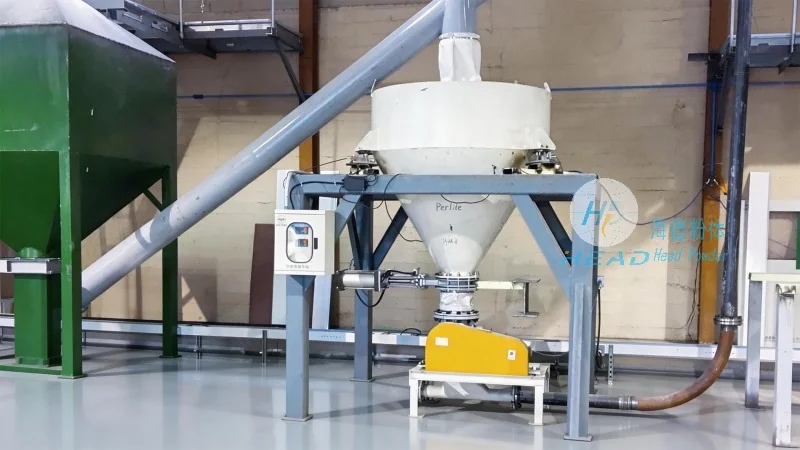
Understanding the Risks of Dust Leakage in Pearl Sand Conveying
Dust leakage in pneumatic conveying systems can lead to several adverse effects, including environmental contamination, health hazards for personnel, and operational inefficiencies. Fine pearl sand particles are prone to dispersion when system pressures fluctuate or when equipment seals are compromised. Such leaks not only increase maintenance costs but also pose regulatory compliance risks, especially in industrial settings where air quality standards are strictly enforced. The need for robust sealing solutions and system design considerations becomes critical to mitigate these risks effectively.
Key Factors Influencing Dust Leakage in Pneumatic Conveying
Several factors contribute to dust leakage in pearl sand pneumatic conveying systems. First, the particle size and moisture content of the material affect how easily it can be entrained and released from the system. Pearl sand typically has a fine particle size, which enhances its tendency to become airborne under pressure changes. Second, system pressure variations, such as during start-up or shutdown, create pressure differentials that can force material through seals. Third, the design and maintenance of components like rotary valves, filters, and hose connections play a pivotal role in preventing leaks. Regular inspection and replacement of worn seals are essential to maintain system integrity.
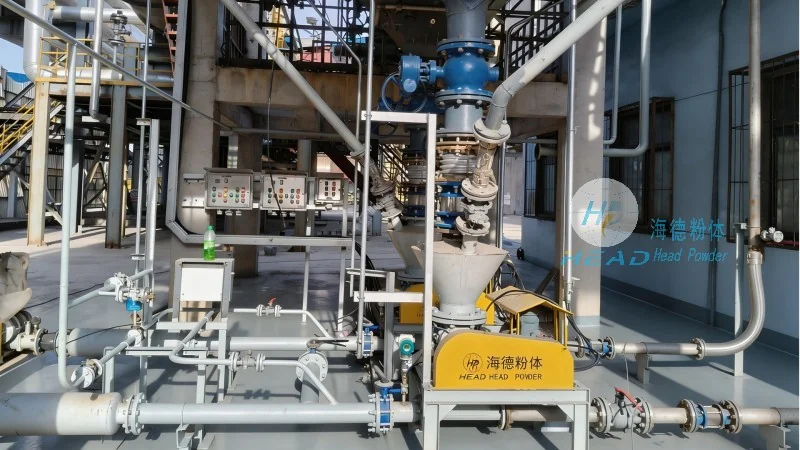
Advanced Solutions by Shandong HeadPowder Engineering Co., Ltd.
Shandong HeadPowder Engineering Co., Ltd., operating under the brand name headpowder, specializes in developing tailored pneumatic conveying solutions for challenging materials like pearl sand powder. The company’s expertise lies in designing systems that incorporate advanced sealing technologies and material handling strategies to minimize dust leakage. For instance, their custom-built rotary valves and airlocks are engineered with high-performance seals that resist the abrasive nature of fine pearl sand particles. Additionally, headpowder employs state-of-the-art filtration systems that capture even the smallest particles, ensuring compliance with environmental regulations while maintaining system efficiency.
Implementation of Sealing Technologies to Prevent Dust Leakage
Effective dust leakage prevention in pneumatic conveying systems for pearl sand powder relies on a combination of mechanical and pneumatic sealing solutions. Mechanical seals, such as lip seals and O-rings, are commonly used in rotary valves and hose connections. However, these may not be sufficient for highly abrasive materials like pearl sand. Therefore, headpowder utilizes advanced sealing materials, including PTFE-coated components and specialized elastomers, which provide enhanced durability and resistance to wear. Pneumatic sealing methods, such as pressure differential systems, are also employed to maintain consistent pressure across the system, reducing the likelihood of pressure fluctuations that trigger leaks.
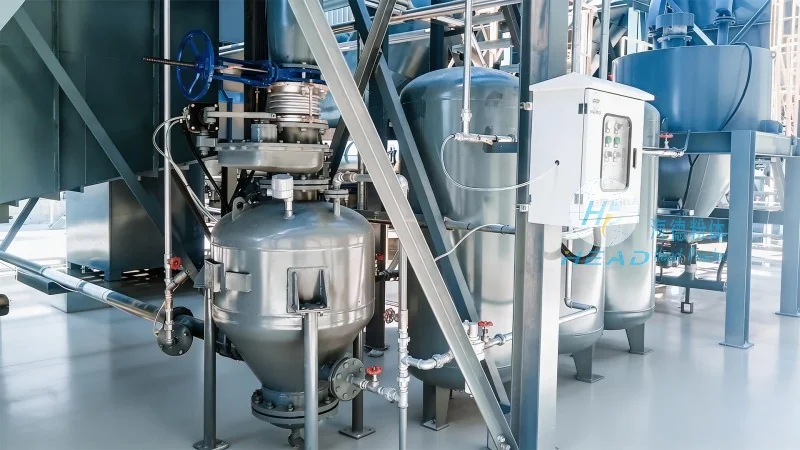
Regular Maintenance and Monitoring for Optimal Performance
Preventing dust leakage is not a one-time solution but requires ongoing maintenance and monitoring. Regular inspections of system components, including seals, filters, and pressure sensors, are crucial to identify potential issues before they escalate into significant leaks. Headpowder recommends a proactive maintenance schedule that includes routine cleaning of filters, checking for wear on seals, and verifying the proper functioning of airlocks and rotary valves. Additionally, implementing real-time monitoring systems can help detect pressure changes or abnormal particle flow, allowing for immediate corrective actions. This approach ensures that the pneumatic conveying system operates at peak efficiency while maintaining a safe and clean environment.
Conclusion: Ensuring Safe and Efficient Pearl Sand Transport
Preventing dust leakage in pneumatic conveying systems for pearl sand powder is a multifaceted challenge that requires careful system design, advanced sealing technologies, and regular maintenance. Shandong HeadPowder Engineering Co., Ltd. offers comprehensive solutions tailored to the unique properties of pearl sand, ensuring that operators can achieve efficient material transport without compromising safety or environmental standards. By investing in robust sealing systems and adhering to best practices in maintenance, companies can minimize dust leakage, reduce operational costs, and enhance overall productivity in their pneumatic conveying operations.