Flake graphite, a critical material in various industrial applications including battery manufacturing, lubricants, and refractory products, requires efficient and reliable transportation methods to maintain its quality and integrity. Pneumatic conveying systems have emerged as a preferred solution for handling flake graphite due to their ability to transport materials in a closed system, minimizing dust exposure and environmental impact. This technical analysis explores the key differences between positive pressure and negative pressure conveying modes, highlighting their applications, advantages, and considerations for flake graphite handling.
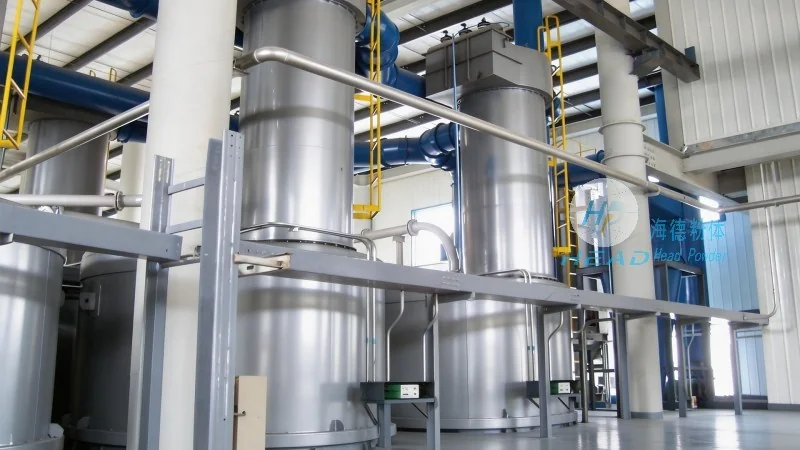
Understanding Pneumatic Conveying Modes
Pneumatic conveying systems utilize air or gas to transport bulk materials through a pipeline. The two primary modes are positive pressure and negative pressure, each with distinct operational principles and suitability for different material characteristics and process requirements.
Positive Pressure Conveying Mode
Positive pressure conveying operates by blowing air or gas into the conveying line, creating a pressure higher than the ambient air pressure. This method is commonly used for materials that are free-flowing and non-abrasive, such as flake graphite. The system typically includes a blower or compressor at the inlet, which generates the necessary pressure to move the material through the pipeline. The positive pressure system ensures that the material is continuously pushed forward, reducing the risk of blockages and ensuring consistent flow rates.
For flake graphite, positive pressure conveying offers several advantages. The high pressure helps maintain the integrity of the graphite flakes, preventing breakage or agglomeration during transport. Additionally, the closed system design minimizes dust emissions, which is crucial for maintaining product quality and complying with environmental regulations. The system is also relatively easy to install and maintain, with components like rotary valves and filters that are well-suited for handling fine powders like flake graphite.
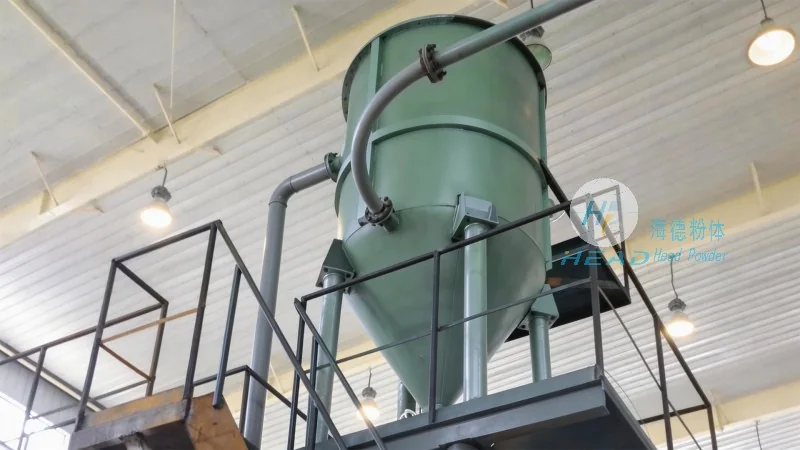
Negative Pressure Conveying Mode
Negative pressure conveying, also known as suction or vacuum conveying, operates by creating a vacuum in the conveying line, drawing material from the source into the system. This mode is often preferred for materials that are cohesive or have a tendency to stick to surfaces, as the vacuum helps to lift and transport the material without the need for high pressure. However, for flake graphite, negative pressure conveying may present challenges due to the material's low density and tendency to become airborne easily.
One of the main drawbacks of negative pressure systems is the higher risk of dust generation and material loss during transport. The vacuum can cause fine particles to escape from the system, leading to reduced material recovery rates and increased environmental concerns. Additionally, the system requires careful design to prevent blockages and ensure consistent flow, as the vacuum pressure is lower than the positive pressure system, potentially leading to lower transport efficiency for larger quantities of flake graphite.
Key Considerations for Flake Graphite Conveying
When selecting a pneumatic conveying system for flake graphite, several factors must be considered to ensure optimal performance and material integrity. The choice between positive and negative pressure modes depends on the specific characteristics of the graphite, such as particle size, density, and flowability. For high-quality flake graphite with large, intact flakes, positive pressure conveying is generally more suitable due to its ability to maintain particle shape and reduce breakage.
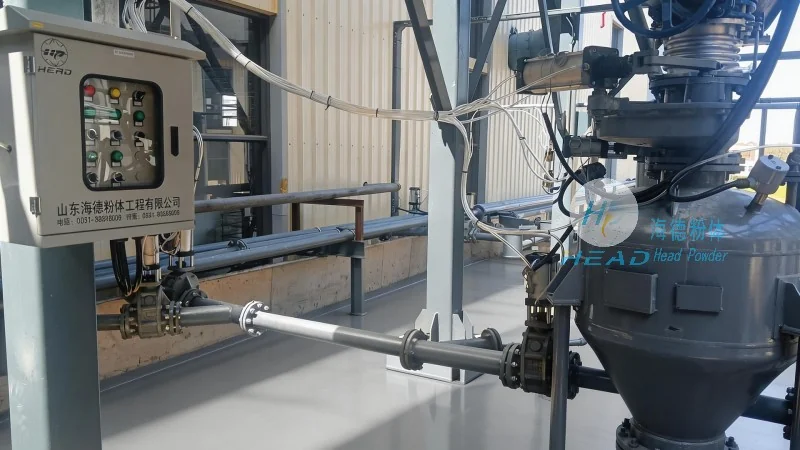
Another critical consideration is the system's capacity and efficiency. Positive pressure systems can handle higher material volumes with less energy consumption compared to negative pressure systems, making them more cost-effective for large-scale operations. The closed loop design of positive pressure systems also reduces energy losses and improves overall system efficiency, which is essential for industrial applications where operational costs are a key factor.
Application Examples in Industry
Flake graphite is widely used in the production of lithium-ion batteries, where its high electrical conductivity and stability are critical. In battery manufacturing facilities, pneumatic conveying systems are used to transport graphite from storage silos to mixing and processing equipment. The positive pressure mode is often preferred in these applications due to the need to maintain the purity of the graphite and prevent contamination from external air or dust. For example, in a battery cell production line, a positive pressure system can transport flake graphite from a bulk storage tank to a mixing machine, ensuring that the material is handled in a controlled environment without exposure to moisture or contaminants.
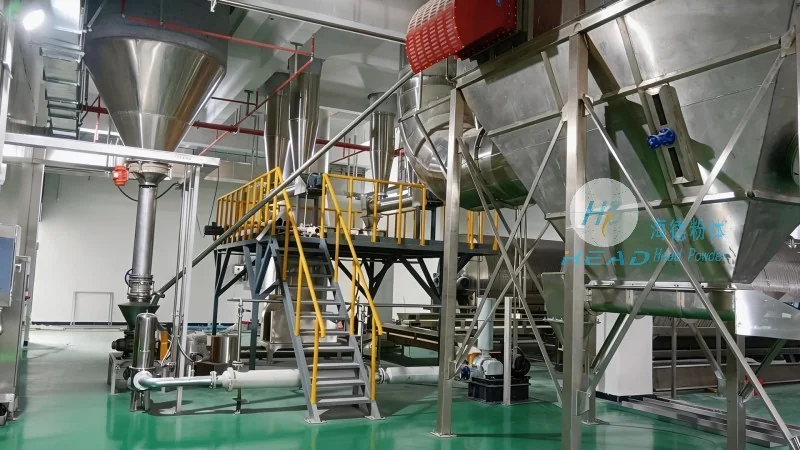
In the refractory industry, flake graphite is used to produce high-temperature resistant materials. The conveying system must be able to handle the material without causing degradation, which is why positive pressure conveying is commonly used. The system can transport graphite from a storage hopper to a mixing or grinding unit, maintaining the material's quality throughout the process. The closed system design also helps to control dust levels, which is important for worker safety and environmental compliance in industrial settings.
System Design and Components
The effectiveness of a pneumatic conveying system for flake graphite depends on the proper selection and integration of key components. For positive pressure systems, the blower or compressor is the primary power source, providing the necessary pressure to move the material. The pipeline design, including the diameter and length, is critical to ensure that the pressure drop is minimized, allowing for efficient transport. Rotary valves are used at the inlet and outlet to control the flow of material, preventing backflow and maintaining system integrity.
For negative pressure systems, the vacuum pump is the main component, creating the suction force to draw material into the system. The system typically includes a hopper or feeder at the source, which feeds the material into the pipeline under vacuum. The design of the hopper and feeder is crucial to prevent material bridging or clogging, which can lead to system downtime. Filters and cyclones are also essential components in both systems to remove dust and maintain air quality.




