When it comes to transporting bulk materials like fertilizers, pneumatic conveying systems offer an efficient and reliable solution. However, the choice between positive pressure and negative pressure systems can significantly impact operational efficiency, cost, and safety. This article explores the key differences between positive and negative pressure pneumatic conveying for fertilizer applications, helping you make an informed decision.
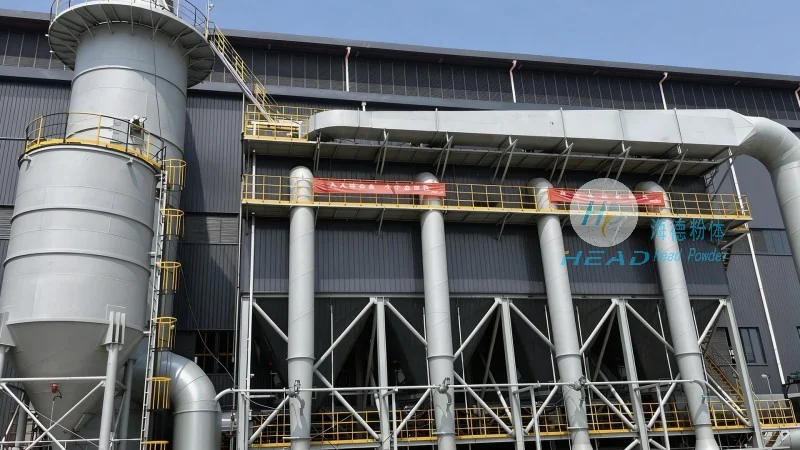
Understanding Pneumatic Conveying Basics
Pneumatic conveying uses air to move solid materials through a pipeline. The primary difference between positive and negative pressure systems lies in how the air pressure is managed relative to the ambient air pressure. Positive pressure systems operate with air pressure higher than the surrounding atmosphere, while negative pressure systems operate with air pressure lower than the ambient level.
Positive Pressure Pneumatic Conveying Systems
Positive pressure systems are commonly used for fertilizer transport due to their ability to handle high material loads and long distances. In a positive pressure system, a blower or fan creates a pressure differential, pushing air and material through the pipeline. This method is particularly effective for transporting dry, free-flowing fertilizers over long distances, such as from storage silos to processing plants or distribution centers.
Key advantages of positive pressure systems include:
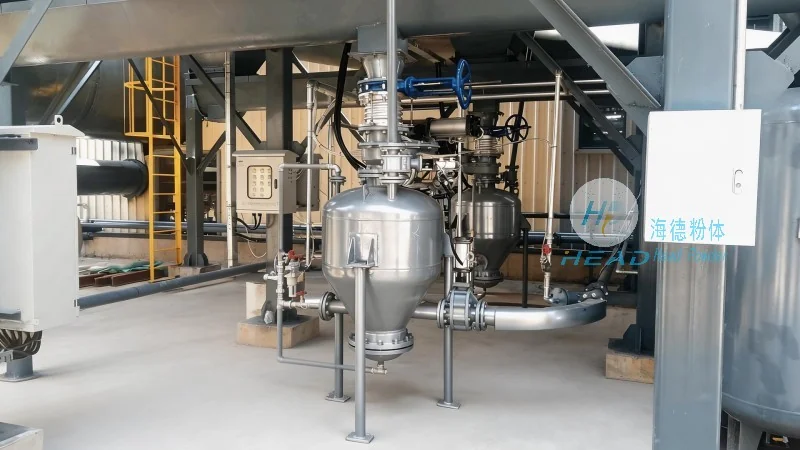
- Ability to handle high material throughput and long pipeline lengths
- Effective for transporting abrasive or corrosive materials without causing wear on equipment
- Reduced risk of material spillage or contamination during transport
However, positive pressure systems may require more robust equipment and higher energy consumption compared to negative pressure systems. They also need proper ventilation to manage air emissions and prevent pressure buildup in enclosed spaces.
Negative Pressure Pneumatic Conveying Systems
Negative pressure systems, also known as vacuum systems, use a vacuum pump to create a pressure differential that draws material and air into the pipeline. This method is often preferred for short-distance transport or when the material needs to be transferred from a low-level source, such as a hopper or a truck, into a silo.
Key advantages of negative pressure systems include:
- Lower energy consumption compared to positive pressure systems
- Reduced noise levels and equipment wear
- Suitable for handling fine or dusty materials without generating excessive dust
Nevertheless, negative pressure systems may have limitations in terms of material capacity and pipeline length. They are also more susceptible to clogging and require regular maintenance to ensure efficient operation.
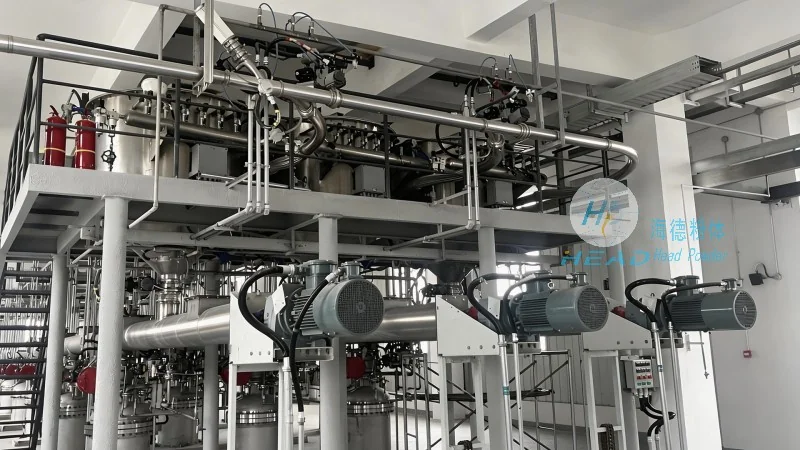
How to Distinguish Between the Two Systems
Determining whether a positive or negative pressure system is suitable for your fertilizer handling operation depends on several factors:
- Material Characteristics: The type of fertilizer (e.g., granular, powdered, or bulk) and its flow properties will influence the choice. For example, cohesive or sticky materials may be better suited for positive pressure systems to prevent blockages.
- Transport Distance and Layout: The distance between the source and destination, as well as the layout of the facility, will impact the system design. Longer distances typically favor positive pressure systems, while shorter distances or vertical transport may be better suited for negative pressure.
- Energy Efficiency and Cost: Energy consumption and operational costs are critical considerations. Negative pressure systems generally offer lower energy costs but may have higher maintenance costs due to the vacuum pump and associated components.
- Environmental and Safety Requirements: Regulations regarding air emissions, dust control, and workplace safety will also play a role. Positive pressure systems may require additional ventilation and filtration to comply with environmental standards.
Conclusion
Choosing between positive pressure and negative pressure pneumatic conveying for fertilizer applications requires a thorough evaluation of operational needs, material characteristics, and cost considerations. By understanding the strengths and limitations of each system, you can select the most appropriate solution to ensure efficient, safe, and cost-effective material transport.
Shandong HeadPowder Engineering Co., Ltd., a leading provider of pneumatic conveying solutions, specializes in designing and manufacturing customized systems tailored to the specific requirements of fertilizer handling operations. With years of experience in the industry, HeadPowder offers expert guidance and high-quality equipment to help you optimize your material transport processes. Located in Shandong, China, HeadPowder serves clients worldwide, delivering reliable and efficient solutions for bulk material handling.




