

Analysis of Kaolin Pneumatic Conveying Technology: Comparison of Positive and Negative Pressure Mode
For industries dealing with fine powders like kaolin, the choice of pneumatic conveying system is critical to operational efficiency, material integrity, and overall process reliability. This article provides a detailed analysis of the two primary pneumatic conveying modes—positive pressure and negative pressure—specifically tailored for kaolin handling applications. By examining the technical aspects, operational characteristics, and practical considerations of each mode, we aim to help stakeholders make informed decisions when selecting the most suitable conveying solution for their kaolin processing needs.
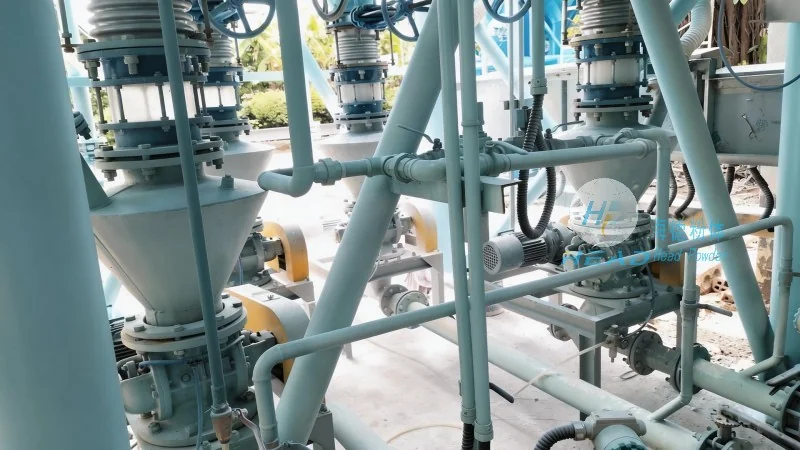
Introduction to Kaolin Pneumatic Conveying Systems
Kaolin, a soft, white clay mineral widely used in ceramics, paper, and coatings industries, requires specialized handling due to its fine particle size and tendency to agglomerate. Pneumatic conveying offers a dust-free, continuous, and flexible method for transporting kaolin from storage to processing units. The two main modes of pneumatic conveying—positive pressure and negative pressure—differ in their approach to creating the necessary pressure differentials to move the material. Understanding these differences is essential for optimizing system performance and minimizing operational costs.
Positive Pressure Conveying Mode Explained
Positive pressure conveying systems operate by generating a higher pressure in the conveying line than the ambient air pressure. This is typically achieved using a positive displacement blower or a centrifugal fan that forces air through the pipeline, carrying the kaolin particles along with it. The system maintains a positive pressure throughout the entire pipeline, including the receiving hopper and the material discharge point. This mode is particularly effective for conveying kaolin over long distances or through complex network configurations, as it can maintain consistent flow rates and prevent material backflow.
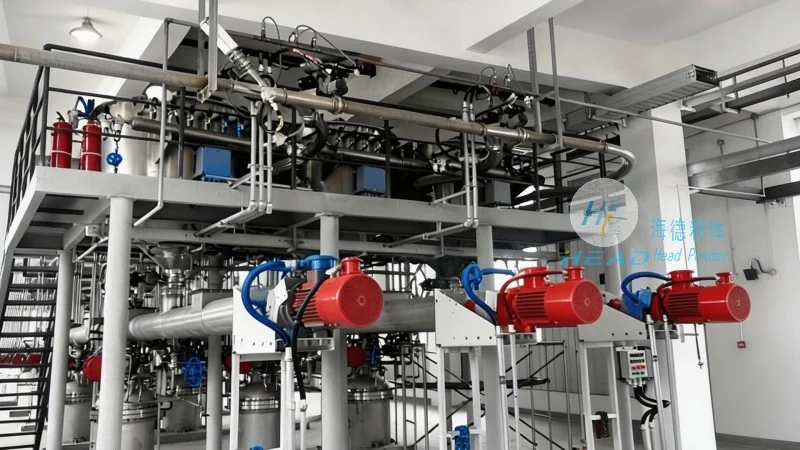
Negative Pressure Conveying Mode Explained
Negative pressure conveying, also known as suction or vacuum conveying, works by creating a lower pressure in the conveying line compared to the ambient air. A vacuum pump or fan draws air and kaolin particles into the pipeline from the source point (e.g., a storage silo or hopper) and transports them to the destination point. The system maintains a negative pressure in the pipeline, which helps to prevent dust emissions and keep the material contained within the system. Negative pressure conveying is often preferred for short to medium distance applications where the source is at a higher elevation than the destination, as it can effectively pull material upward without the need for additional lifting equipment.
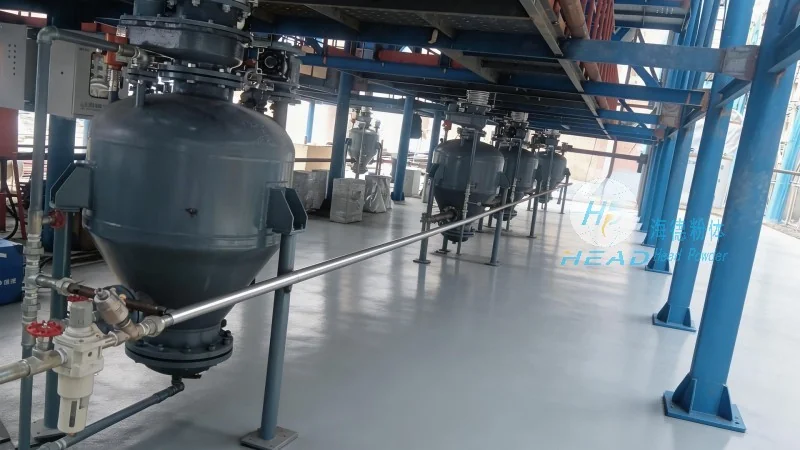
Comparison of Positive and Negative Pressure Modes
When comparing positive and negative pressure conveying for kaolin, several factors come into play. Positive pressure systems generally offer higher conveying capacities and are better suited for long-distance or high-volume applications. They are also more resistant to blockages and can handle a wider range of particle sizes. However, they may require more robust equipment and higher energy consumption due to the constant pressure generation. On the other hand, negative pressure systems are more energy-efficient for short distances and can handle fine powders more gently, reducing the risk of particle degradation. They are also less likely to cause dust explosions, making them suitable for applications where safety is a primary concern.
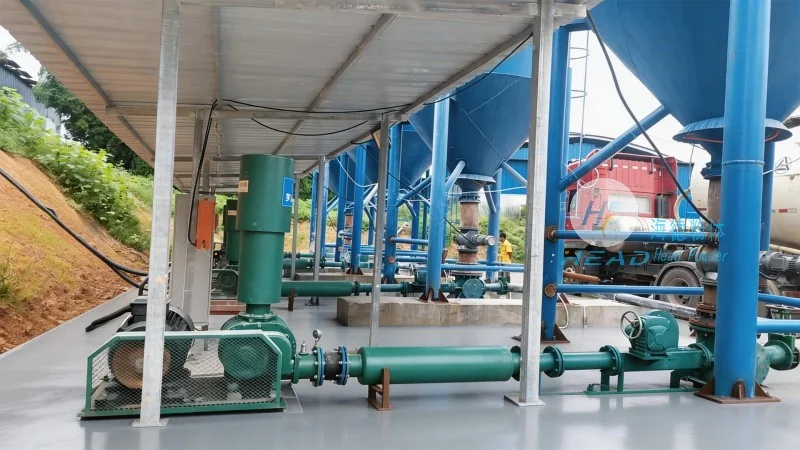
Technical Advantages and Applications
Both positive and negative pressure conveying modes offer distinct advantages for kaolin processing. Positive pressure systems excel in applications requiring high throughput, such as large-scale kaolin mining and processing facilities. They are also ideal for conveying kaolin through multiple stages of processing, including blending, drying, and packaging. Negative pressure systems, meanwhile, are well-suited for applications where material handling is limited to shorter distances or where the source is at a higher elevation. They are commonly used in laboratory settings, small-scale production lines, or for transporting kaolin from storage silos to processing equipment without the need for extensive infrastructure.
Company Profile: Shandong HeadPowder Engineering Co., Ltd.
Shandong HeadPowder Engineering Co., Ltd., operating under the brand name headpowder, is a leading provider of customized pneumatic conveying solutions for the kaolin industry. With a focus on innovation and customer-centric design, the company specializes in developing efficient and reliable systems tailored to the unique challenges of kaolin handling. Headpowder's expertise lies in integrating advanced technology with practical engineering solutions to ensure optimal performance, minimal maintenance, and long-term cost savings for clients. The company's headquarters is located in Shandong, China, where it leverages local resources and industry knowledge to deliver high-quality products and services to global markets.