Aluminum dross, a byproduct of aluminum smelting and processing, presents unique handling challenges due to its abrasive nature and varying particle sizes. Efficient and reliable material transport is crucial for maintaining production efficiency and ensuring worker safety. Pneumatic conveying systems offer a solution by utilizing air to move aluminum dross between processing stages. This article provides a comprehensive overview of the key technologies involved, focusing on vacuum and positive pressure pneumatic conveying, and their practical applications in the aluminum industry. Shandong HeadPowder Engineering Co., Ltd. specializes in the design and implementation of such systems, helping aluminum manufacturers optimize their dross handling processes.
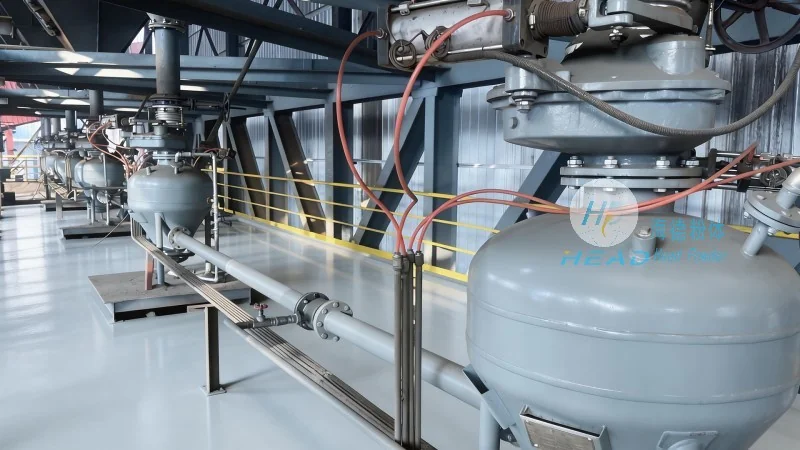
Understanding Aluminum Dross and Its Handling Requirements
Aluminum dross is a mixture of metal, oxide, and other impurities that forms during the melting and casting of aluminum. It is typically characterized by high temperatures, abrasive particles, and a tendency to clump or agglomerate. These properties make traditional bulk handling methods, such as belt conveyors or bucket elevators, less effective and potentially hazardous. Pneumatic conveying systems are preferred because they can handle the abrasive nature of aluminum dross while minimizing material degradation and reducing the risk of dust exposure.
Vacuum Pneumatic Conveying for Aluminum Dross
Vacuum pneumatic conveying systems operate by creating a negative pressure (vacuum) at the material pickup point, drawing aluminum dross into the conveying line. This method is particularly suitable for applications where the material needs to be transported over short to medium distances, typically up to several hundred meters. The system consists of a vacuum pump, a material pickup device, and a conveying line. The vacuum pump generates the necessary suction force to pull the dross from the source, while the pickup device ensures efficient material intake without causing blockages or excessive air consumption.
Key advantages of vacuum conveying for aluminum dross include its ability to handle fine particles and prevent material degradation. The low pressure operation reduces the risk of particle breakage and minimizes dust generation, which is critical for maintaining a safe working environment. Additionally, vacuum systems can be integrated with dust collection equipment, making them suitable for applications where dust control is a priority. However, vacuum conveying has limitations in terms of distance and material density, as the suction force diminishes with distance and larger particle sizes may require higher air volumes.
Positive Pressure Pneumatic Conveying for Aluminum Dross
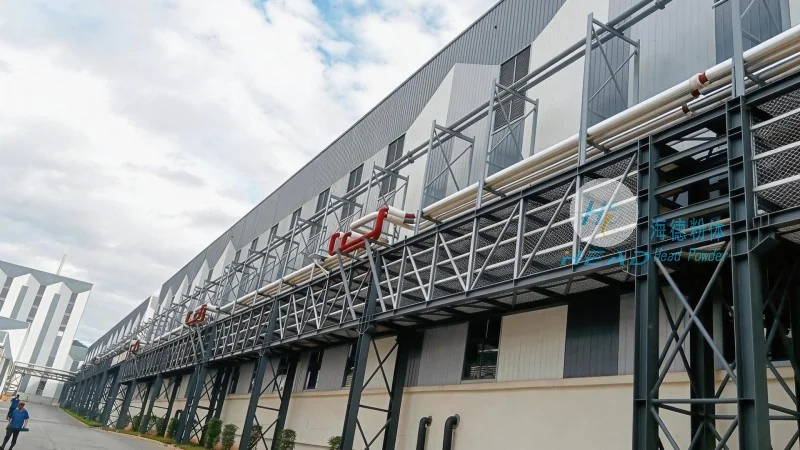
Positive pressure pneumatic conveying systems, on the other hand, operate by blowing air or a mixture of air and gas under pressure into the conveying line, pushing the aluminum dross forward. This method is ideal for longer transport distances, typically exceeding several hundred meters, and for handling larger particle sizes or bulkier materials. The system includes a positive pressure blower, a material loading hopper, and a conveying line. The blower supplies the necessary pressure to move the dross through the line, and the loading hopper ensures a consistent feed rate, preventing surges or blockages.
Positive pressure conveying offers several benefits for aluminum dross handling. It can handle a wider range of particle sizes and bulk densities compared to vacuum systems, making it suitable for diverse dross compositions. The high pressure operation allows for efficient transport over longer distances without significant pressure loss. Furthermore, positive pressure systems are generally more robust and less prone to clogging, as the air flow is directed against the material flow, reducing the likelihood of particle accumulation. However, they may generate more dust and require more energy compared to vacuum systems, especially for fine particles.
Comparative Analysis: Vacuum vs. Positive Pressure Conveying
When selecting a pneumatic conveying system for aluminum dross, it is essential to consider the specific application requirements, such as distance, material characteristics, and environmental constraints. A comparative analysis of vacuum and positive pressure systems reveals that each has its strengths and limitations. Vacuum systems excel in handling fine, abrasive materials over short to medium distances and are effective for dust control. Positive pressure systems are better suited for longer distances, larger particle sizes, and bulkier materials, offering higher throughput and robustness.
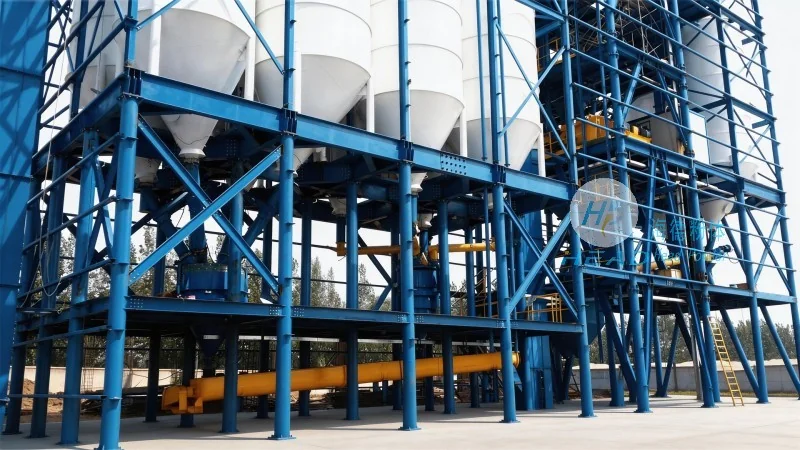
The choice between the two often depends on the balance between cost, efficiency, and operational needs. For example, a facility with multiple processing stages over short distances may opt for a vacuum system to minimize dust and maintain a clean environment. Conversely, a plant with long transport requirements or handling of larger dross particles may prefer a positive pressure system for its higher capacity and reliability. In some cases, a hybrid system combining both vacuum and positive pressure components may be used to optimize performance for complex layouts.
Application Examples in the Aluminum Industry
Aluminum dross pneumatic conveying systems are widely used in various stages of aluminum production, from dross collection and storage to processing and recycling. One common application is the transport of dross from the casting area to a melting furnace or a dross treatment unit. Here, vacuum conveying is often used to move fine dross particles from the casting pit to a collection hopper, ensuring efficient material transfer without causing excessive dust. Positive pressure systems may be employed to transport larger dross lumps or processed dross from the treatment unit to a storage silo or a recycling facility.
Another application is the integration of dross conveying with dust collection systems. In many aluminum plants, vacuum conveying is coupled with a dust collector to capture any airborne particles during the material transfer process. This not only improves air quality but also recovers valuable metal fines from the dross, enhancing overall material recovery rates. The combination of vacuum conveying and dust collection is particularly effective for handling fine aluminum dross, as it minimizes particle loss and ensures a clean working environment.
Technical Considerations and Best Practices
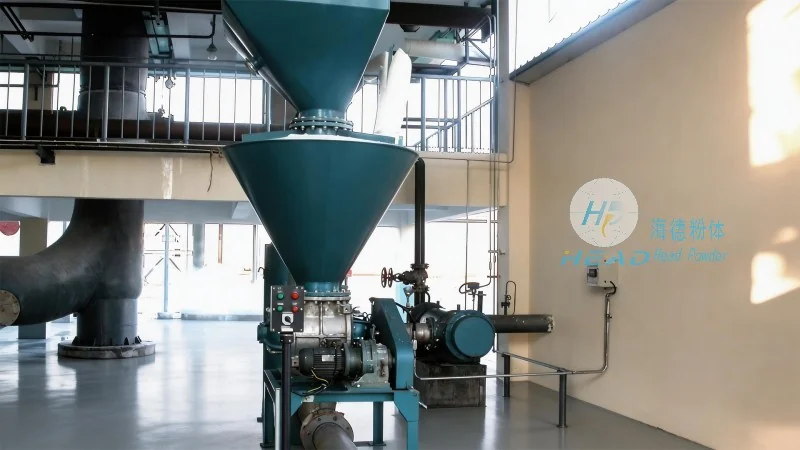
Implementing effective aluminum dross pneumatic conveying systems requires careful consideration of several technical factors. Material properties, such as particle size distribution, bulk density, and abrasiveness, must be evaluated to determine the appropriate conveying velocity and air volume. The conveying line diameter and length also play a critical role in system performance, as they affect pressure loss and material flow. Proper maintenance of the conveying equipment, including regular cleaning of filters and inspection of components, is essential to prevent clogging and ensure long-term reliability.
Additionally, system design should account for the need to minimize energy consumption and operational costs. This may involve optimizing the air flow rate, using energy-efficient blowers or vacuum pumps, and implementing variable speed controls to adjust to varying material loads. Environmental considerations, such as dust control and emissions, should also be addressed through the use of appropriate filtration systems and compliance with local regulations.
Conclusion
Pneumatic conveying technology, particularly vacuum and positive pressure systems, offers a reliable and efficient solution for handling aluminum dross in the aluminum industry. By understanding the unique properties of aluminum dross and selecting the appropriate conveying method, manufacturers can improve production efficiency, enhance worker safety, and reduce operational costs. The combination of advanced equipment design and proper system integration ensures that aluminum dross is transported effectively while minimizing environmental impact. As the aluminum industry continues to evolve, the adoption of optimized pneumatic conveying systems will remain a key factor in maintaining competitiveness and sustainability.




