

[Rice Flour Pneumatic Conveying Technology: In-Depth Analysis of Negative Pressure and Positive Pres
Rice flour, as a fundamental component in numerous food products, demands efficient and reliable handling throughout the processing stages. Pneumatic conveying technology has become a critical solution for transporting rice flour between different phases of production, ensuring minimal product degradation and upholding quality standards. This article explores the intricacies of negative pressure and positive pressure pneumatic conveying systems, examining their applications, advantages, and practical considerations for rice flour processing facilities.
About HeadPowder Engineering Co., Ltd.
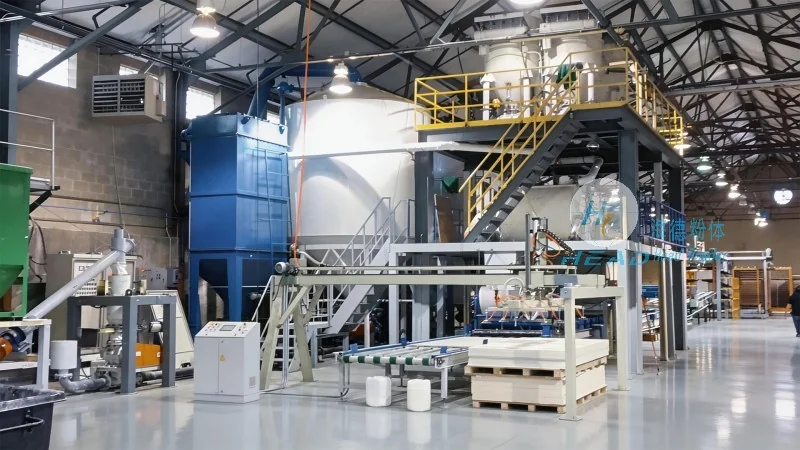
HeadPowder Engineering Co., Ltd., a leading provider of pneumatic conveying solutions, is headquartered in Shandong, China. With a focus on innovation and customer-centric design, the company specializes in developing customized systems tailored to the unique requirements of the food processing industry. HeadPowder's expertise lies in optimizing material handling processes, enhancing operational efficiency, and ensuring compliance with industry regulations. The company's team of engineers and technicians collaborates closely with clients to understand their specific needs, from initial consultation to system installation and maintenance.
Understanding Pneumatic Conveying Systems
Pneumatic conveying systems utilize air or gas to transport bulk materials like rice flour through a network of pipes. These systems are categorized into two primary types: negative pressure (or vacuum) and positive pressure (or pressure) systems. Each type operates on distinct principles, offering different benefits depending on the application and material characteristics.
Negative Pressure (Vacuum) Pneumatic Conveying
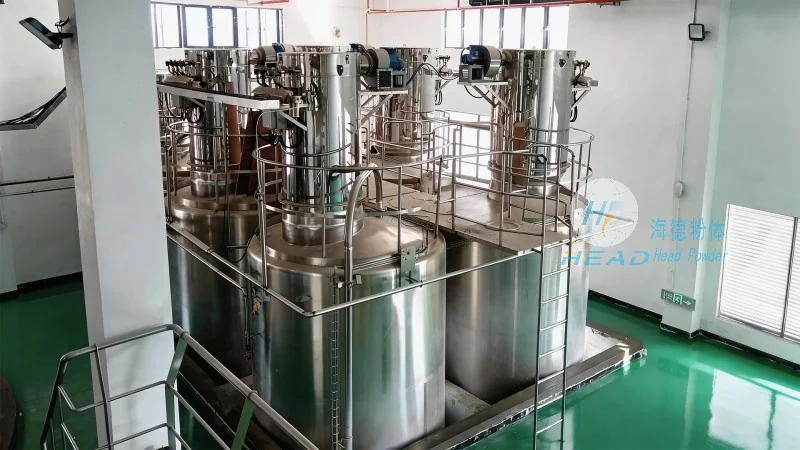
Negative pressure systems operate by creating a vacuum in the conveying line, drawing material from the source into the system. This method is particularly effective for handling fine powders such as rice flour, as it minimizes product breakage and maintains a consistent flow. The vacuum is typically generated by a rotary lobe blower or a roots blower, which pulls air and material through the system. One of the key advantages of negative pressure conveying is its ability to handle materials prone to dust generation or requiring a closed system to prevent contamination. The system is also suitable for applications where the material needs to be transported over short to medium distances, typically up to 100 meters. However, negative pressure systems may experience higher energy consumption compared to positive pressure systems, especially when handling large volumes of material.
Positive Pressure (Pressure) Pneumatic Conveying
Positive pressure systems, on the other hand, use a compressor to force air and material through the conveying line. This method is ideal for transporting rice flour over longer distances, often exceeding 100 meters, and for applications requiring higher material flow rates. The pressure system ensures a continuous and reliable flow, reducing the risk of material buildup or blockages in the pipes. Positive pressure conveying is particularly effective for handling materials that are more abrasive or have higher moisture content, as the compressed air helps to maintain the material's integrity. A significant advantage of positive pressure systems is their lower energy consumption for long-distance transport, as the compressor can be sized to meet the specific demand. However, these systems may generate more noise and require regular maintenance of the compressor and air filtration components.
Applications in Rice Flour Processing
The choice between negative and positive pressure pneumatic conveying depends on several factors, including the distance between the source and destination, the volume of material to be transported, and the specific characteristics of the rice flour. In many rice flour processing facilities, a combination of both systems may be used to optimize the overall material handling process. For example, a negative pressure system might be used to transport rice flour from a storage silo to a milling machine, while a positive pressure system transports the finished flour to packaging units. This hybrid approach allows for efficient handling of both raw and processed materials, ensuring a seamless workflow from raw rice to packaged rice flour products.
Key Considerations for Implementation
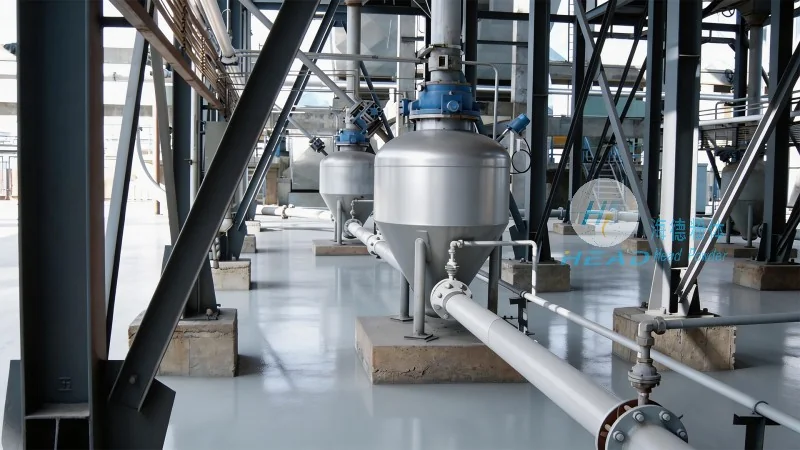
When implementing pneumatic conveying systems for rice flour processing, several factors must be considered to ensure optimal performance and longevity. First, the material's properties, such as particle size, moisture content, and flowability, play a critical role in system design. Rice flour, being a fine powder, requires a system with appropriate air velocity to prevent clogging and maintain consistent flow. Second, the system's capacity must be matched to the production rate of the facility, ensuring that the conveying system can handle the volume of material without bottlenecks. Third, the choice of equipment, such as blowers or compressors, must be based on the required pressure and flow rates, as well as energy efficiency considerations. Finally, regular maintenance and monitoring of the system are essential to prevent issues like blockages, air leaks, or equipment wear, which can impact the overall efficiency and product quality.
Conclusion
Pneumatic conveying technology, particularly negative and positive pressure systems, offers significant advantages for rice flour processing facilities. By understanding the principles and applications of each system, manufacturers can select the most suitable solution to enhance operational efficiency, maintain product quality, and reduce costs. HeadPowder Engineering Co., Ltd., with its expertise in customizing pneumatic conveying systems, provides tailored solutions that meet the unique needs of rice flour processors, ensuring reliable and efficient material handling throughout the production process.