Silica powder, a key raw material in various industrial applications, requires efficient and reliable transport methods to ensure consistent quality and process stability. Conveying systems are crucial for moving these fine powders from storage to processing units. Two primary methods dominate the industry: negative pressure (suction) conveying and positive pressure (blow) conveying. Each has distinct characteristics, advantages, and limitations that influence their suitability for different silica powder applications.
Understanding Negative Pressure Conveying
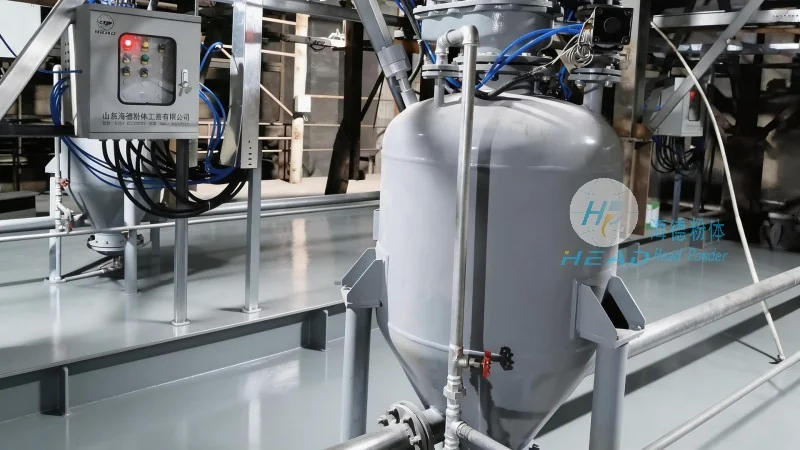
Negative pressure conveying, also known as suction conveying, operates by creating a partial vacuum at the material pickup point. This vacuum draws the silica powder into the conveying line using a fan or blower located at the discharge end. The system typically uses a flexible hose or rigid pipe to transport the material, with the vacuum maintaining the flow of the fine powder. This method is particularly effective for applications where the material is to be transferred from a lower elevation to a higher one, or when the material is sensitive to pressure changes.
Advantages of Negative Pressure Conveying
One of the main advantages of negative pressure conveying is its ability to handle fine and dusty materials without causing excessive pressure buildup. The low pressure environment reduces the risk of material degradation or agglomeration, which is critical for silica powders that are often used in high-purity applications. Additionally, the system can operate with lower air velocities, minimizing the risk of particle breakage and ensuring the integrity of the powder. For companies like Shandong HeadPowder Engineering Co., Ltd., this method is ideal for handling silica powders that require gentle handling, such as those used in pharmaceutical or food processing industries.
Disadvantages of Negative Pressure Conveying
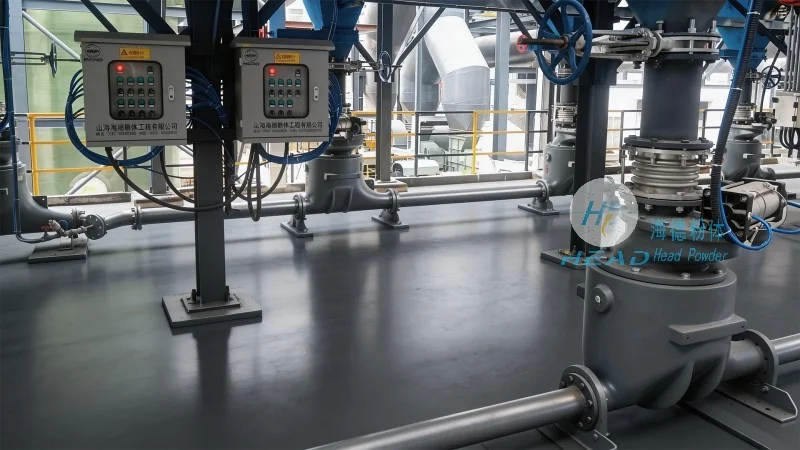
However, negative pressure conveying has several drawbacks. The primary limitation is its limited conveying distance and capacity compared to positive pressure systems. The vacuum created is not sufficient to transport materials over long distances or at high flow rates, which can be a challenge for large-scale operations. Another disadvantage is the higher energy consumption due to the need for a powerful vacuum fan. Furthermore, the system is more susceptible to blockages and clogging, especially with cohesive or sticky silica powders, which can lead to downtime and maintenance issues. These factors make negative pressure conveying less suitable for high-volume, long-distance silica powder transport.
Understanding Positive Pressure Conveying
Positive pressure conveying, or blow conveying, works by forcing air or a carrier gas through the conveying line under pressure. The material is drawn into the line by the high-pressure air, which then transports it to the discharge point. This method is typically used for longer distances and higher flow rates, making it suitable for large-scale industrial applications. The system can handle a wide range of materials, including abrasive or corrosive powders, and is less prone to clogging compared to negative pressure systems.
Advantages of Positive Pressure Conveying
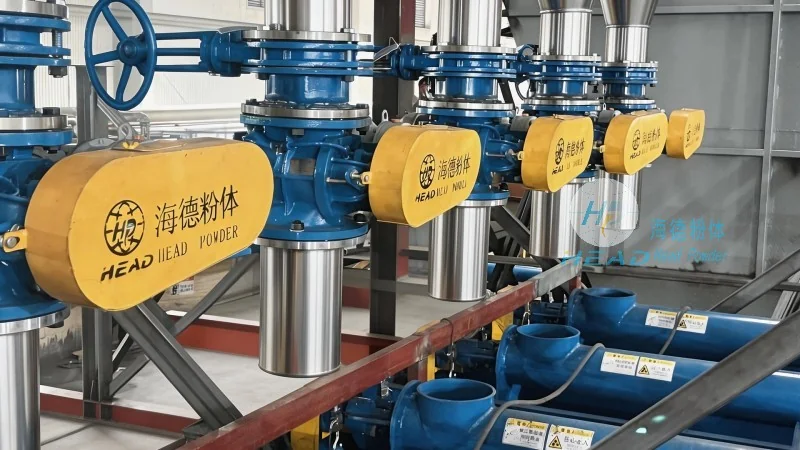
Positive pressure conveying offers several advantages that make it a preferred choice for many silica powder applications. The most significant benefit is its ability to transport materials over longer distances and at higher capacities. The high-pressure air ensures consistent flow rates, even with difficult-to-handle powders like silica. This makes it ideal for large-scale operations where efficiency and throughput are critical. Additionally, the system is more energy-efficient for long-distance transport, as the pressure can be maintained over extended lengths without significant loss. For Shandong HeadPowder Engineering Co., Ltd., positive pressure systems are often used for bulk silica powder transport in mining, construction, and manufacturing industries.
Disadvantages of Positive Pressure Conveying
Despite its advantages, positive pressure conveying has its own set of limitations. The high pressure and air velocity can cause particle breakage or degradation, which is a concern for high-purity silica powders used in electronics or ceramics. The system also generates more noise and vibration, requiring additional noise control measures. Another drawback is the higher risk of dust emissions and air pollution, as the high-pressure air can cause fine particles to become airborne. This necessitates proper filtration and dust collection systems, adding to the operational costs. Furthermore, the equipment is more complex and requires more maintenance, especially for high-pressure components like blowers and seals.
Comparative Analysis: Which System is Right for Silica Powder?
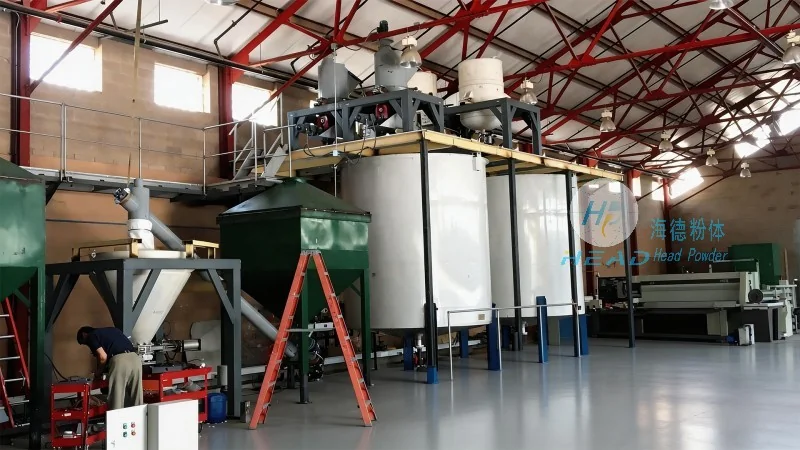
When deciding between negative and positive pressure conveying for silica powder, several factors must be considered. The primary considerations include the conveying distance, material properties (such as fineness, moisture content, and cohesion), and the required flow rate. For short distances and low flow rates, negative pressure conveying may be sufficient and cost-effective. However, for long-distance or high-volume transport, positive pressure conveying is generally more efficient and reliable. The choice also depends on the specific application: for example, pharmaceutical-grade silica powders may require negative pressure systems to maintain purity, while construction-grade silica may benefit from positive pressure systems for bulk handling.
Case Study: Application by Shandong HeadPowder Engineering Co., Ltd.
Shandong HeadPowder Engineering Co., Ltd., a leading provider of conveying solutions, has extensive experience in implementing both negative and positive pressure systems for silica powder applications. In one project, the company installed a negative pressure conveying system for a pharmaceutical plant, where the goal was to transport high-purity silica powder without contamination. The system successfully maintained the powder's integrity, with minimal agglomeration and no particle breakage. In another project, a construction company used a positive pressure system to transport bulk silica powder from a mine to a processing plant over a distance of 2 kilometers. The system achieved a flow rate of 10 tons per hour, meeting the client's production needs while ensuring efficient material transport.




