Aluminum hydride powder is a critical material in various industrial applications, including chemical synthesis, energy storage, and specialty manufacturing. The efficient and safe transportation of this powder is essential for maintaining production efficiency and ensuring operational safety. Pneumatic conveying systems offer a viable solution for handling aluminum hydride powder, with two primary methods being widely used: positive pressure conveying and negative pressure conveying. This article provides a detailed comparison of these two approaches, highlighting their respective advantages, disadvantages, and suitability for different operational scenarios.
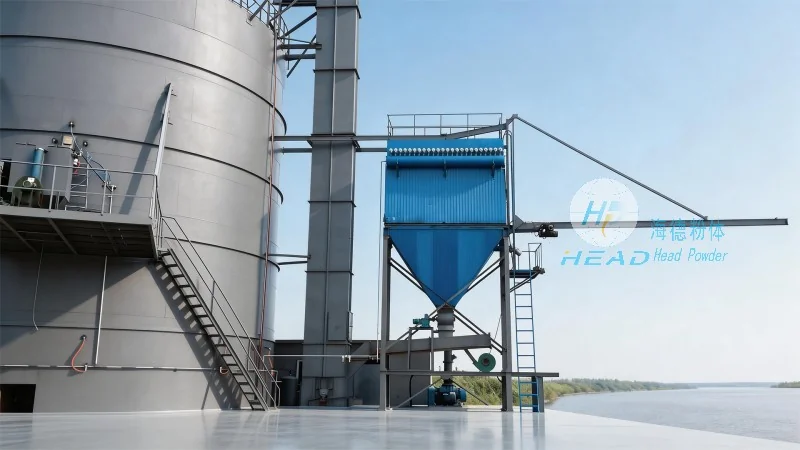
Introduction to Pneumatic Conveying Systems
Pneumatic conveying systems utilize air or other gases to transport bulk materials like aluminum hydride powder through a pipeline network. These systems are classified into two main categories based on the pressure differential within the system: positive pressure and negative pressure. Both methods have distinct characteristics that influence their application in handling aluminum hydride powder, which is known for its reactivity and potential for dust explosion risks.
Positive Pressure Conveying of Aluminum Hydride Powder
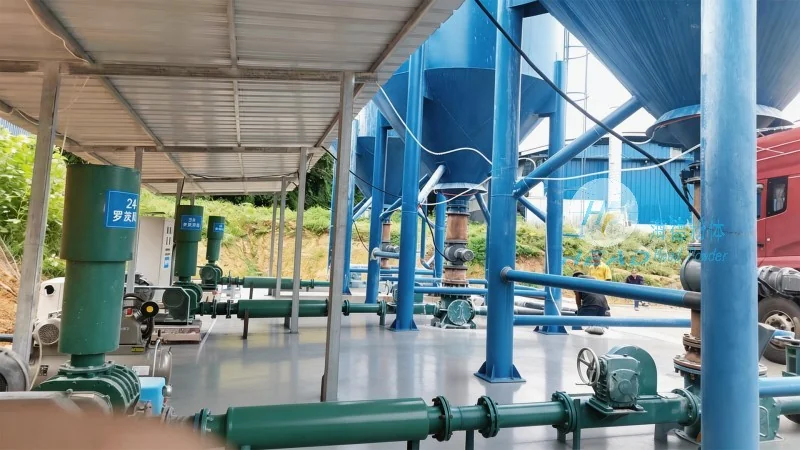
Positive pressure conveying operates by blowing air or a carrier gas into the conveying line, creating a pressure higher than the ambient atmosphere. This method is often preferred for materials that are sensitive to moisture or require a controlled environment. In the case of aluminum hydride powder, positive pressure systems can help maintain a dry and inert atmosphere, reducing the risk of premature reaction or moisture absorption. The system typically includes a blower, a hopper for material storage, and a series of pipelines leading to the discharge point. The positive pressure ensures that the material is continuously pushed through the system, minimizing the risk of blockages caused by static or low flow rates.
Key advantages of positive pressure conveying for aluminum hydride powder include its ability to handle abrasive or sticky materials, as the high pressure helps maintain consistent flow. Additionally, this method is effective in preventing material degradation due to exposure to external contaminants, as the system is sealed and pressurized. However, the primary drawback is the higher energy consumption compared to negative pressure systems, as the blower must work against the ambient pressure to maintain the positive pressure. This can increase operational costs, especially for large-scale applications.
Negative Pressure Conveying of Aluminum Hydride Powder
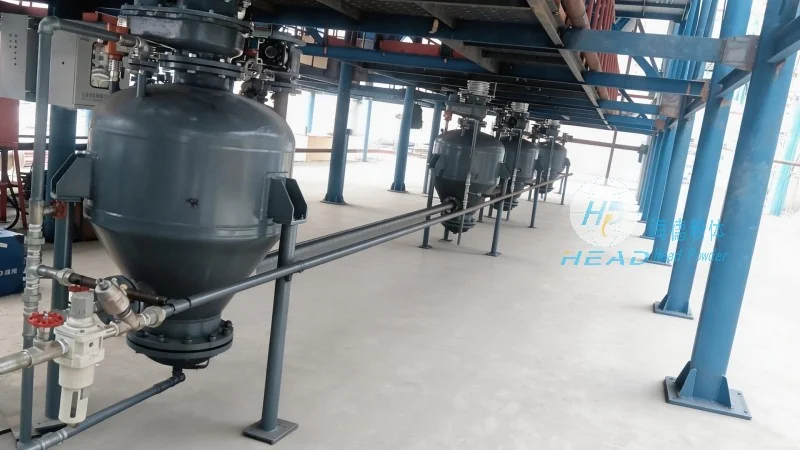
Negative pressure conveying, also known as suction or vacuum conveying, operates by creating a vacuum in the conveying line, drawing material from the source into the system. This method is often used for materials that are light or have a low bulk density, as the vacuum helps maintain a consistent flow. For aluminum hydride powder, negative pressure systems can be advantageous in applications where the material needs to be collected from multiple points or transferred over short distances. The system typically includes a vacuum pump, a hopper, and a collection point, with the vacuum creating a suction force that pulls the powder through the pipeline.
One of the main benefits of negative pressure conveying is its lower energy consumption compared to positive pressure systems, as the vacuum pump operates at a lower pressure differential. This can lead to cost savings, particularly in applications where the material is being transferred over short distances or in environments where energy efficiency is a priority. However, negative pressure systems are more susceptible to blockages and material degradation due to the lower pressure, which can cause the powder to settle or clump in the pipeline. Additionally, the system may be more prone to air leakage, which can affect the efficiency of the conveying process.
Comparison of Positive and Negative Pressure Conveying for Aluminum Hydride Powder
When comparing positive and negative pressure conveying for aluminum hydride powder, several factors must be considered, including material properties, operational requirements, and cost implications. Positive pressure conveying is generally more suitable for materials that are abrasive, sticky, or require a controlled environment, as it provides a consistent flow and protects the material from external contaminants. Negative pressure conveying, on the other hand, is better suited for light materials or applications where energy efficiency is a primary concern, as it consumes less power and is easier to implement for short-distance transfers.
From a safety perspective, positive pressure systems are often preferred for aluminum hydride powder due to their ability to maintain a dry and inert atmosphere, reducing the risk of dust explosions. The sealed system also minimizes the exposure of the material to air, which can prevent premature reactions. Negative pressure systems, while effective for some applications, may pose a higher risk of dust exposure and explosion if not properly designed and maintained.
Application Considerations and Recommendations
For companies handling aluminum hydride powder, the choice between positive and negative pressure conveying should be based on a thorough analysis of their specific operational needs. Factors such as the distance between the source and discharge point, the material's bulk density and flow characteristics, and the available energy resources should all be considered. In many cases, a hybrid system combining both positive and negative pressure elements may be the most effective solution, allowing for flexibility in handling different material types and operational scenarios.
Shandong HeadPowder Engineering Co., Ltd., a leading provider of pneumatic conveying solutions, offers customized systems tailored to the unique requirements of aluminum hydride powder handling. With years of experience in the industry, the company specializes in designing and manufacturing efficient and safe conveying systems that meet the highest standards of performance and safety. Based in Shandong, China, HeadPowder Engineering leverages advanced technology and engineering expertise to deliver solutions that enhance operational efficiency and ensure the safety of personnel and equipment.




