

[Pneumatic Conveying in the Bulk Handling of Monosodium Glutamate]
Efficient and reliable bulk material handling is crucial for the monosodium glutamate (MSG) industry, where maintaining product quality and operational efficiency is paramount. Among the various methods available, pneumatic conveying stands out as a sophisticated solution for transporting MSG in bulk quantities. This article explores the application of pneumatic conveying systems in the MSG industry, highlighting the technical advantages, operational benefits, and practical considerations that make it an ideal choice for MSG manufacturers and processors.
Introduction to Pneumatic Conveying for MSG
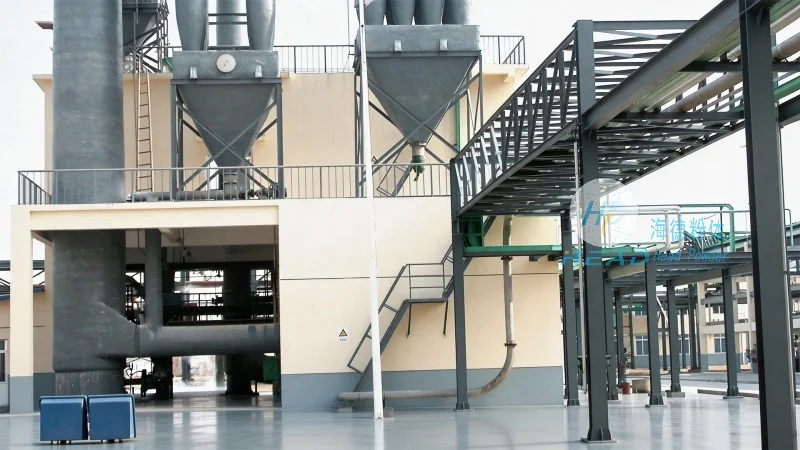
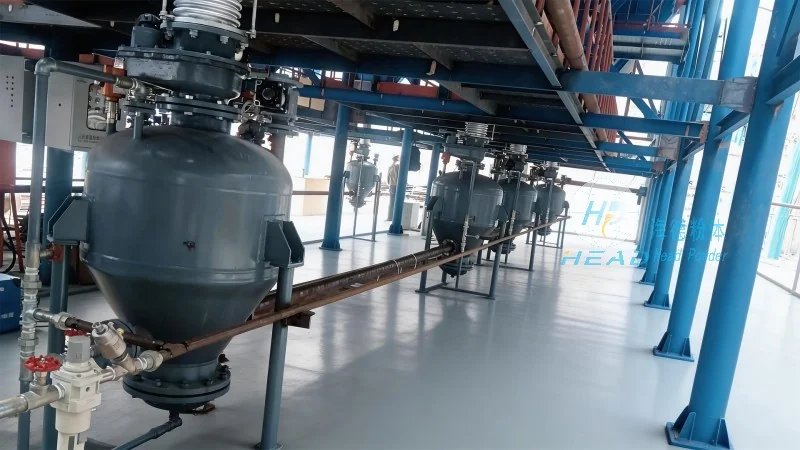
Pneumatic conveying, also known as air conveying, is a technology that uses compressed air to transport bulk materials like MSG through a pipeline system. Unlike traditional methods such as belt conveyors or bucket elevators, pneumatic conveying offers a closed system that minimizes product exposure to external contaminants and reduces the risk of dust dispersion. For MSG, which is a hygroscopic and sensitive product, this feature is particularly important as it helps preserve the product's quality and shelf life. The system typically consists of a hopper, a conveying line, a receiver, and a control unit, all working in tandem to ensure smooth and continuous material transfer.
Key Advantages of Pneumatic Conveying in MSG Handling
One of the primary benefits of pneumatic conveying for MSG is its ability to handle the material gently, preventing degradation or damage that might occur with mechanical systems. The air flow in the pipeline creates a low-pressure environment that minimizes friction and impact on the MSG particles, preserving their granular structure and chemical properties. This is especially critical for MSG, which is used in food processing and requires consistent quality standards. Additionally, pneumatic conveying systems are highly flexible, allowing for changes in the conveying route or capacity without major modifications to the infrastructure. This adaptability makes them suitable for both new installations and retrofitting existing MSG processing facilities.
Another significant advantage is the hygienic and clean operation of pneumatic conveying. The closed pipeline design prevents dust and particles from escaping into the environment, reducing the risk of contamination and ensuring compliance with food safety regulations. For MSG, which is a food additive, maintaining high standards of hygiene is non-negotiable. The system also allows for easy cleaning and maintenance, as the pipelines can be flushed with cleaning agents or air to remove any residual material. This reduces downtime and operational costs, making it a cost-effective solution in the long run.
Technical Considerations for MSG Pneumatic Conveying Systems
Implementing a pneumatic conveying system for MSG requires careful consideration of several technical factors to ensure optimal performance. The first is the selection of the appropriate conveying type, which can be classified into two main categories: dilute phase and dense phase. Dilute phase systems use higher air velocities to transport the MSG in a suspended state, suitable for short distances and low to medium capacity. Dense phase systems, on the other hand, use lower air velocities and higher material concentrations, ideal for longer distances and high capacity. For MSG, which often requires transportation over moderate distances within a processing plant, a combination of both systems may be used to achieve the best results.
The choice of air pressure and flow rate is another critical factor. Higher air pressure can increase the conveying capacity but may also lead to higher energy consumption and potential wear on the system components. Therefore, a balance must be struck between efficiency and cost. The system also needs to be equipped with proper filtration and separation equipment to remove any moisture or contaminants from the air, as this can affect the quality of the MSG. For example, moisture in the air can cause the MSG to clump or degrade, so effective moisture control is essential.
Operational Benefits and Practical Applications
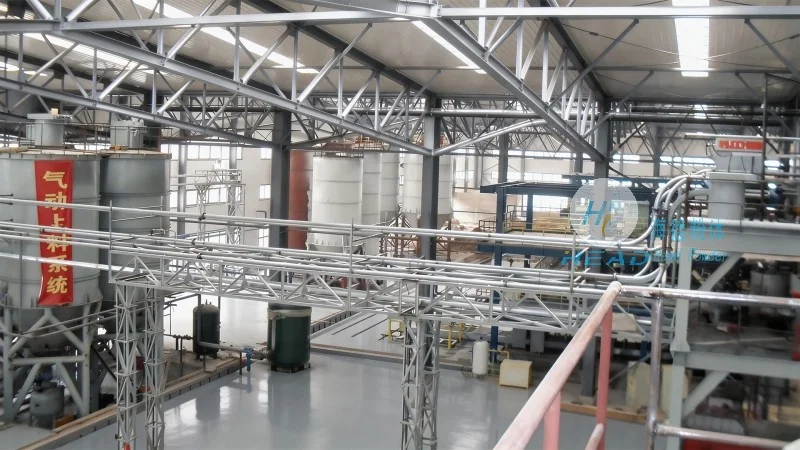
From an operational perspective, pneumatic conveying systems offer several advantages that enhance the overall efficiency of MSG processing. The continuous and automated nature of the system reduces the need for manual handling, minimizing labor costs and the risk of human error. The system can be integrated with other processing equipment, such as mixers, blenders, and packaging machines, creating a seamless workflow from raw material reception to final product dispatch. This integration improves the overall throughput of the MSG plant and reduces bottlenecks in the production line.
Practical applications of pneumatic conveying in the MSG industry include the transport of MSG from storage silos to processing lines, the transfer of MSG between different production stages, and the loading of MSG into packaging containers. In each of these scenarios, the system provides a reliable and efficient means of moving the material without the need for manual intervention. The flexibility of the system also allows for the handling of different MSG grades or formulations, such as different particle sizes or additives, by adjusting the conveying parameters accordingly.
Conclusion and Company Overview
Pneumatic conveying is a highly effective and versatile solution for the bulk handling of MSG, offering numerous technical and operational benefits that contribute to the efficiency and quality of MSG production. By leveraging advanced pneumatic conveying technology, MSG manufacturers can ensure consistent product quality, maintain high standards of hygiene, and reduce operational costs. As a leading provider of engineering solutions for the MSG industry, Shandong HeadPowder Engineering Co., Ltd. specializes in designing and manufacturing customized pneumatic conveying systems tailored to the specific needs of MSG processors. With a focus on innovation and quality, the company delivers reliable and efficient solutions that help clients optimize their MSG handling processes and stay competitive in the market.