

Types, Characteristics, and Applications of Limestone Powder Pneumatic Conveying
For industrial applications requiring the efficient transport of limestone powder, understanding the various types of pneumatic conveying systems is crucial. This article explores the key characteristics and diverse applications of limestone powder pneumatic conveying, providing insights into how these systems enhance operational efficiency and material handling capabilities.
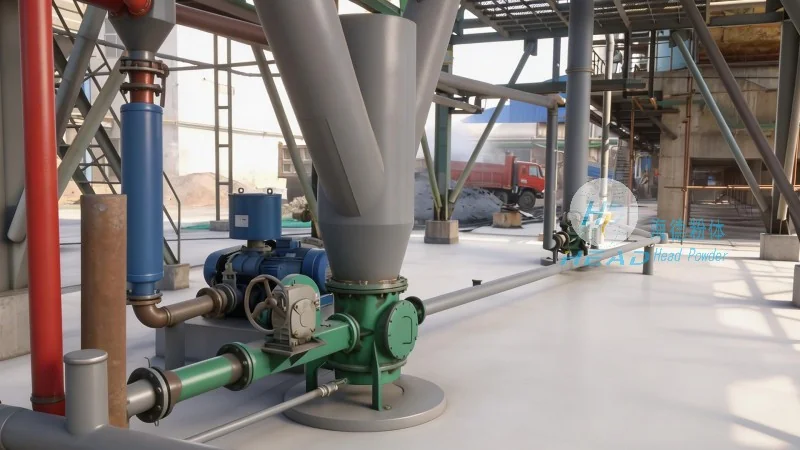
Limestone Powder Pneumatic Conveying: An Overview
Limestone powder pneumatic conveying systems utilize air or gas to transport fine limestone particles from one location to another. This method offers significant advantages over traditional mechanical conveying, such as reduced equipment wear, lower maintenance costs, and the ability to handle materials in a dust-free environment. The primary goal of these systems is to ensure safe, reliable, and efficient material transport, which is essential for industries like cement production, chemical processing, and environmental remediation.
Key Types of Limestone Powder Pneumatic Conveying Systems
There are several distinct types of pneumatic conveying systems used for limestone powder, each with its own advantages and suitability for specific applications. The most common types include:
1. Dilute Phase Pneumatic Conveying
Dilute phase systems are characterized by the high velocity of air relative to the material, typically operating at speeds of 20-30 meters per second. This method is ideal for short to medium distances and low to medium material loads. The primary advantage is its low pressure requirements, making it suitable for applications where energy efficiency is a priority. However, it may not be suitable for long-distance transport or handling of highly abrasive materials.
2. Dense Phase Pneumatic Conveying
Dense phase systems operate at lower air velocities and higher material concentrations, typically at speeds of 5-10 meters per second. This method is designed for longer distances and higher material loads, making it suitable for applications requiring reliable and efficient transport over greater distances. The higher material concentration reduces the risk of clogging and ensures consistent material flow, which is critical for maintaining production continuity.
3. Pressure and Vacuum Conveying Systems
Pressure conveying systems use compressed air to push material through the pipeline, while vacuum systems use suction to draw material from the source. Pressure systems are often used for short to medium distances and high material loads, while vacuum systems are suitable for longer distances and more delicate materials. The choice between pressure and vacuum depends on factors such as the distance to be covered, the material's properties, and the system's overall design.
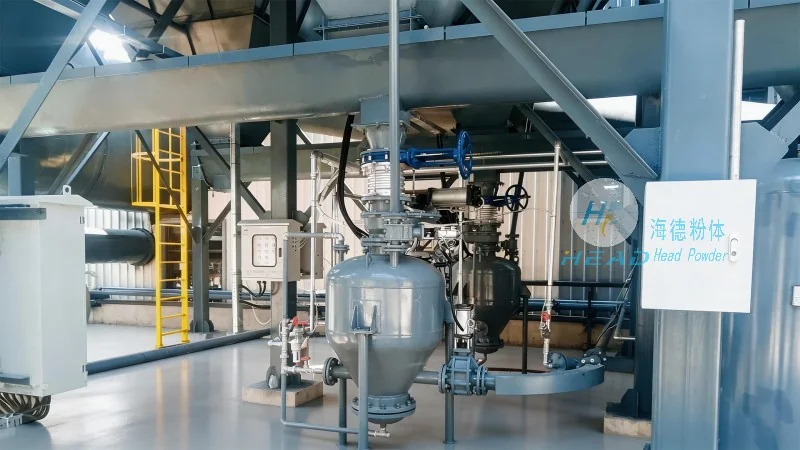
Characteristics of Limestone Powder Pneumatic Conveying
Several key characteristics define the performance and effectiveness of limestone powder pneumatic conveying systems. These include:
1. Material Handling Efficiency
Limestone powder pneumatic conveying systems are highly efficient in handling fine powders, ensuring minimal material loss and consistent flow rates. The ability to transport materials in a closed system reduces dust emissions and improves workplace safety, which is a significant advantage in industries where dust control is mandatory.
2. Energy Efficiency
Modern pneumatic conveying systems are designed to optimize energy consumption. By using appropriate air velocities and system designs, these systems can achieve significant energy savings compared to traditional mechanical conveying methods. This efficiency is particularly important for large-scale industrial operations where operational costs are a major consideration.
3. System Flexibility
Limestone powder pneumatic conveying systems can be easily integrated into existing industrial processes. They can be adapted to handle varying material loads and flow rates, making them suitable for both continuous and batch operations. The modular design of these systems allows for easy expansion or modification as production needs change.
4. Low Maintenance Requirements
Compared to mechanical conveying systems, pneumatic conveying systems have fewer moving parts, which reduces the risk of wear and tear and lowers maintenance costs. This makes them a cost-effective solution for long-term material handling needs.
Applications of Limestone Powder Pneumatic Conveying
Limestone powder pneumatic conveying systems are widely used in various industrial applications due to their versatility and efficiency. The primary applications include:
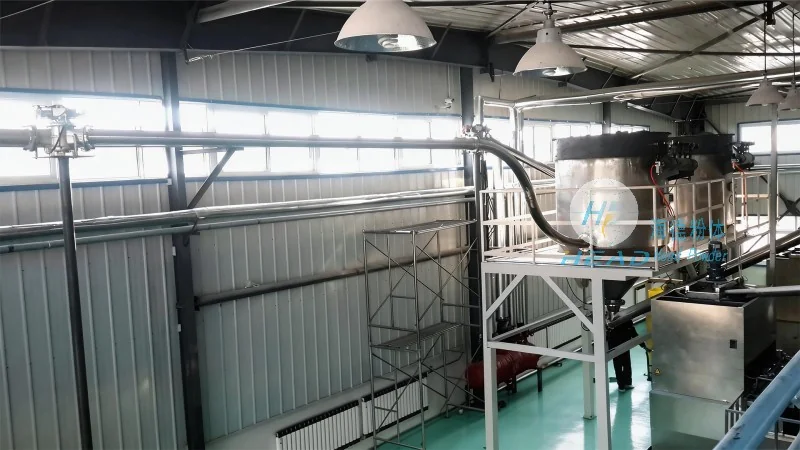
1. Cement Production
In the cement industry, limestone powder is a key raw material used to produce clinker. Pneumatic conveying systems are used to transport limestone from storage silos to the cement production line, ensuring a consistent and reliable supply of raw materials. This is critical for maintaining production efficiency and meeting quality standards.
2. Chemical Processing
Chemical processing plants often use limestone powder as a filler or reactant in various chemical reactions. Pneumatic conveying systems are used to transport limestone powder to reactors and processing units, ensuring precise material control and minimizing contamination risks.
3. Environmental Remediation
Limestone powder is used in environmental remediation projects to neutralize acidic soils and water. Pneumatic conveying systems are used to transport limestone powder to treatment sites, ensuring efficient and safe material application. This helps in reducing environmental impact and improving site restoration.
4. Food and Pharmaceutical Industries
In the food and pharmaceutical industries, limestone powder is used as a dietary supplement or filler. Pneumatic conveying systems are used to transport limestone powder to processing and packaging lines, ensuring hygienic and efficient material handling. This is essential for maintaining product quality and compliance with industry regulations.
Conclusion
Limestone powder pneumatic conveying systems offer significant advantages in terms of efficiency, safety, and cost-effectiveness. By understanding the different types, characteristics, and applications of these systems, industries can make informed decisions to optimize their material handling processes. The expertise of companies like Shandong HeadPowder Engineering Co., Ltd., with its base in Shandong, China, plays a crucial role in designing and implementing these systems to meet the specific needs of various industrial applications.