Lightweight aggregate sand, also known as lightweight aggregate, is a construction material widely utilized across various building applications. Grasping its technical parameters and the associated conveying system process is essential for optimizing material application and ensuring efficient handling. This article offers an in-depth overview of the key technical parameters of lightweight aggregate sand and the process involved in its conveying system, with a focus on the expertise of Shandong HeadPowder Engineering Co., Ltd., a leading provider in the field.
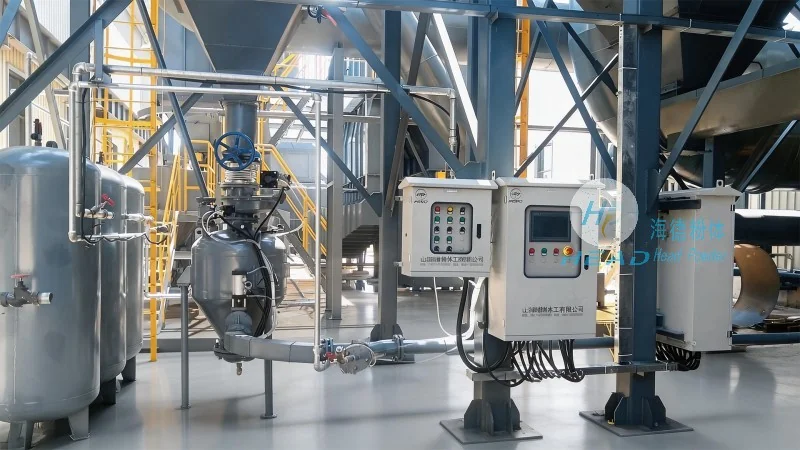
Key Technical Parameters of Lightweight Aggregate Sand
Lightweight aggregate sand is defined by several critical technical parameters that influence its performance and suitability for diverse construction projects. These parameters include density, grain size distribution, moisture content, and compressive strength. The density of lightweight aggregate sand typically ranges from 400 to 1200 kg/m³, significantly lower than conventional aggregates, making it ideal for weight-reduction applications such as lightweight concrete, insulation materials, and structural fill. The grain size distribution is another vital parameter, as it affects workability and strength in concrete mixes. A well-graded aggregate with appropriate particle size distribution ensures better compaction and reduced voids. Moisture content is also a key factor; excess moisture can cause segregation and affect material consistency. Proper moisture control is essential to maintain quality. Additionally, the compressive strength of the lightweight aggregate sand, varying by aggregate type and manufacturing process, determines its load-bearing capacity in construction.
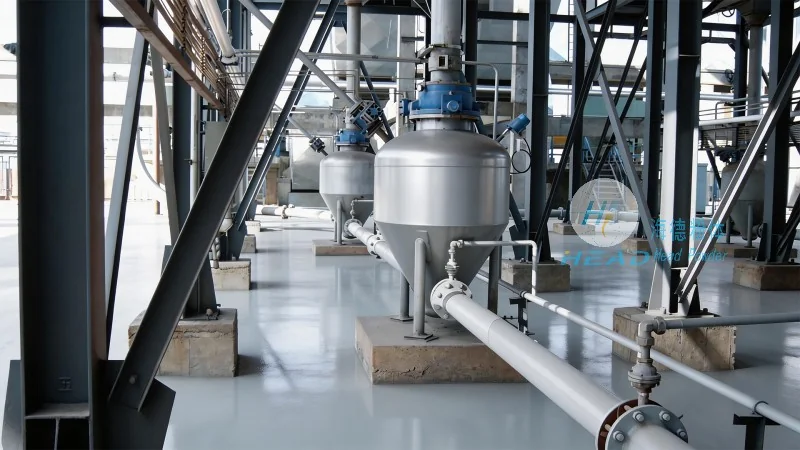
The Conveying System Process for Lightweight Aggregate Sand
The conveying system process for lightweight aggregate sand involves multiple stages to ensure efficient transportation from production to construction sites. The process starts with bulk storage in silos or bins, designed to maintain material quality by controlling moisture and preventing contamination. From storage, the lightweight aggregate sand is transferred to conveying equipment—belt conveyors, screw conveyors, or pneumatic conveyors—selected based on project requirements. Belt conveyors are common for horizontal/inclined transport due to high capacity and low maintenance. Screw conveyors suit vertical/inclined transport and handle higher moisture content. Pneumatic conveyors use air pressure, effective for fine/dusty materials. The system is engineered to minimize degradation and ensure consistent flow rates. Proper equipment maintenance prevents blockages and ensures smooth operation. Monitoring/control systems adjust flow rate/pressure as needed, delivering material to the construction site in correct quantity and condition.
Application and Benefits of Lightweight Aggregate Sand
Lightweight aggregate sand is widely used in construction applications due to its unique properties and benefits. Primary uses include lightweight concrete production for building structures, bridges, and infrastructure, offering advantages like reduced dead load, improved thermal insulation, and enhanced durability. It is also used in insulation materials (e.g., lightweight concrete blocks/panels) for residential/commercial buildings to boost energy efficiency. Structural fill applications replace soil in areas with high water tables or poor bearing capacity, providing benefits like reduced foundation costs and improved stability. Additionally, it’s used in decorative elements (e.g., countertops/flooring) for modern construction, valued for aesthetic appeal and durability.
Conclusion
In summary, the technical parameters and conveying system process of lightweight aggregate sand are critical for effective construction use. Key parameters—density, grain size distribution, moisture content, compressive strength—must be controlled to maintain quality and performance. The conveying system, involving storage, transfer, and transportation, must minimize degradation and ensure consistent flow. Shandong HeadPowder Engineering Co., Ltd. specializes in high-quality lightweight aggregate sand and efficient conveying systems, ensuring construction projects achieve optimal performance and durability. By understanding and implementing these parameters and processes, construction professionals can maximize lightweight aggregate sand benefits and contribute to sustainable, efficient construction practices.




