

Classification and Application Analysis of Paddy Husk Ash Pneumatic Conveying Systems
HeadPowder, a leading engineering firm based in Shandong, China, specializes in the design and implementation of advanced pneumatic conveying systems for agricultural byproducts like paddy husk ash. This article provides a comprehensive classification of such systems and an analysis of their practical applications in industrial settings.
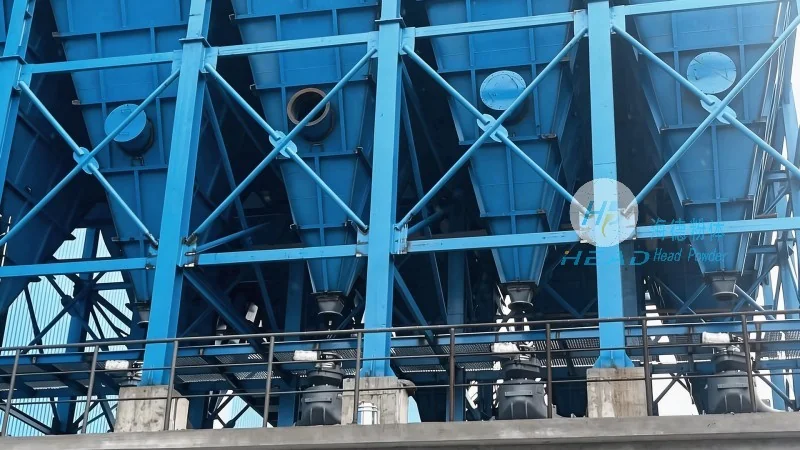
Introduction to Paddy Husk Ash Pneumatic Conveying Systems
Paddy husk ash, a byproduct of rice processing, is increasingly recognized for its potential in various industrial applications. The efficient handling and transportation of this material are critical to optimizing production processes. Pneumatic conveying systems offer a solution by utilizing air pressure to move bulk materials through pipelines, eliminating the need for traditional mechanical conveyors. These systems are particularly suitable for paddy husk ash due to its lightweight and dusty nature, which can cause issues with conventional methods.
Classification of Paddy Husk Ash Pneumatic Conveying Systems
Based on the principles of air flow and material handling, paddy husk ash pneumatic conveying systems can be classified into several types. The primary categories include positive pressure systems, negative pressure systems, and hybrid systems. Each type has distinct characteristics and is suited to different operational requirements.
Positive Pressure Systems
Positive pressure systems operate by blowing air into the conveying line, creating a pressure higher than the ambient air. This method is effective for conveying materials over long distances and at high capacities. The system typically includes a blower, a hopper, and a discharge point. The air pressure ensures that the material is propelled through the pipeline without clogging. Positive pressure systems are commonly used in large-scale industrial facilities where high throughput is required.
Negative Pressure Systems
Negative pressure systems, also known as suction systems, work by creating a vacuum in the conveying line. Air is drawn from the pipeline, pulling the material along with it. This approach is ideal for applications where the material needs to be collected from multiple points or where the material is sensitive to pressure changes. Negative pressure systems are often preferred in environments where dust control is a priority, as they minimize the release of particles into the air.
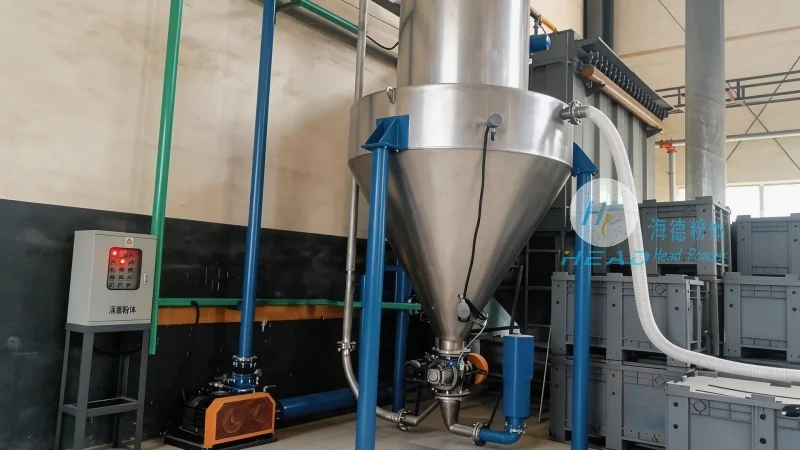
Hybrid Systems
Hybrid systems combine elements of both positive and negative pressure systems. They may use a combination of blowers and vacuum pumps to achieve optimal performance. These systems are versatile and can adapt to varying operational conditions. For instance, a hybrid system might use a positive pressure blower to move material from a central hopper to a processing plant, while a negative pressure section handles the final transport to a storage area. This flexibility makes hybrid systems suitable for complex industrial setups.
Key Components and Design Considerations
Regardless of the classification, paddy husk ash pneumatic conveying systems share common components that are crucial for their operation. These include the material feed hopper, which holds the paddy husk ash and regulates the flow; the air mover (blower or vacuum pump), which provides the necessary pressure or suction; the conveying pipeline, which transports the material; and the control system, which manages the operation. Design considerations such as material compatibility, air flow rates, and system efficiency are critical to ensure the system operates effectively and safely.
Application Analysis of Paddy Husk Ash Pneumatic Conveying Systems
The application of paddy husk ash pneumatic conveying systems varies across different industries. In the construction industry, paddy husk ash is used as a raw material for lightweight concrete and insulation materials. The ability to efficiently transport this material to production sites is essential for maintaining production schedules. In the power generation sector, paddy husk ash is sometimes used as a fuel supplement in biomass power plants. The pneumatic conveying system ensures that the ash is delivered to the boiler without the need for manual handling, improving operational efficiency.
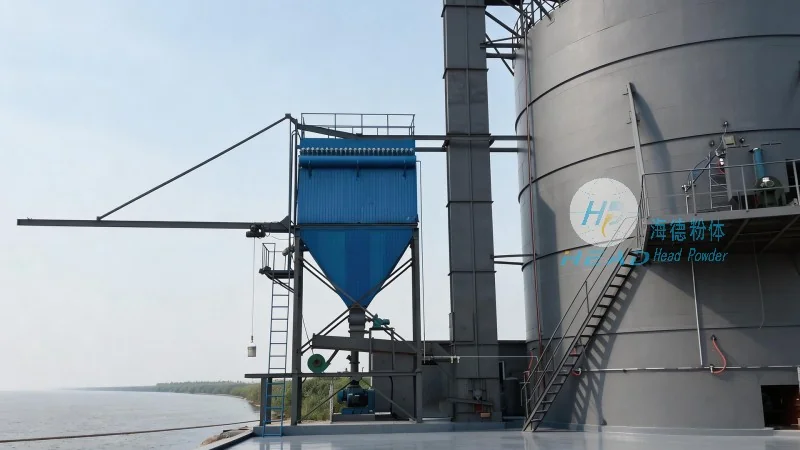
Industrial Processing and Manufacturing
In manufacturing facilities, paddy husk ash may be used as a filler in composite materials or as a component in the production of agricultural fertilizers. The pneumatic conveying system allows for the precise and continuous feeding of the ash into processing equipment, reducing downtime and improving product quality. For example, in the production of organic fertilizers, the ash is mixed with other ingredients, and the conveying system ensures a consistent blend.
Environmental and Waste Management
As an agricultural byproduct, paddy husk ash can be a potential source of waste if not properly managed. Pneumatic conveying systems play a role in the sustainable management of this material by facilitating its collection and transportation to recycling facilities. This helps in reducing the environmental impact of rice processing and promotes the circular economy. The systems are designed to minimize dust emissions and ensure that the material is handled in an environmentally friendly manner.
Advantages and Challenges of Paddy Husk Ash Pneumatic Conveying Systems
Implementing paddy husk ash pneumatic conveying systems offers several advantages. These include reduced labor costs, as manual handling is minimized; improved safety, as the system eliminates the need for workers to handle dusty materials; and increased efficiency, as the material is transported continuously without interruptions. However, there are also challenges to consider. The systems require regular maintenance to ensure optimal performance, and the initial investment can be high. Additionally, the design must account for the abrasive nature of paddy husk ash, which can cause wear and tear on components over time.
Conclusion
Paddy husk ash pneumatic conveying systems represent a sophisticated solution for the efficient handling and transportation of agricultural byproducts. Through proper classification and application analysis, these systems can be tailored to meet the specific needs of various industries. As the demand for sustainable and efficient material handling solutions grows, the role of such systems in optimizing industrial processes will likely expand. HeadPowder, with its expertise in engineering, continues to provide innovative solutions for the effective management of paddy husk ash and other bulk materials.