

Main Pneumatic Conveying Structures for Cocoa
When it comes to efficiently handling and transporting cocoa products, the choice of pneumatic conveying systems plays a crucial role in ensuring smooth operations and maintaining product quality. For businesses in the cocoa processing industry, understanding the different types of pneumatic conveying structures is essential for optimizing their material handling processes. This article will explore the main pneumatic conveying structures used in cocoa processing, highlighting their features, applications, and benefits.
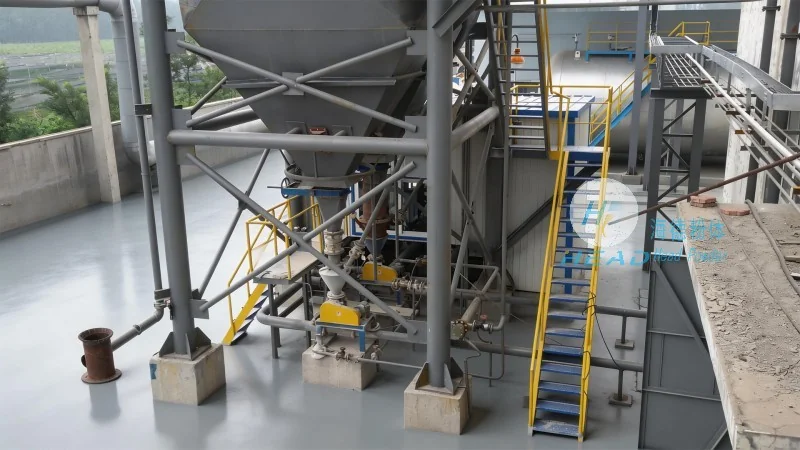
Understanding Pneumatic Conveying Systems
Pneumatic conveying systems use air or other gases to transport bulk materials like cocoa powder, nibs, or beans from one location to another. These systems are widely used in the food industry due to their ability to handle sensitive products without causing contamination or degradation. The primary advantage of pneumatic conveying is its flexibility in design, allowing it to be adapted to various production layouts and operational requirements.
Key Pneumatic Conveying Structures for Cocoa
Several main structures are commonly employed in cocoa processing facilities. Each structure has its own characteristics and is suited to specific operational needs. The most prevalent types include:
1. Dilute Phase Pneumatic Conveying
Dilute phase systems are among the most common for cocoa handling. These systems operate by injecting air into the material stream at a relatively high velocity, creating a dilute mixture of particles and air. The key feature of dilute phase conveying is its ability to transport materials over longer distances with minimal pressure drops. This makes it ideal for applications where the cocoa needs to be moved from one processing stage to another, such as from a storage silo to a grinding or roasting unit.
In a dilute phase system, the material is suspended in the air stream, which helps prevent agglomeration and maintains the integrity of the cocoa particles. The system typically uses positive pressure or negative pressure to move the material, depending on the layout of the facility. The design of the ductwork, including the size and angle of bends, is critical to ensure efficient flow and minimize energy consumption.
2. Dense Phase Pneumatic Conveying
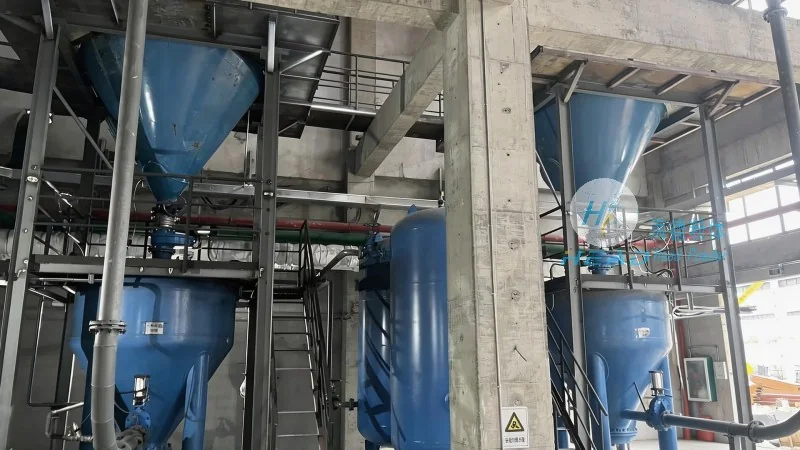
Dense phase systems are used when the cocoa product requires more gentle handling or when longer distances need to be covered with higher material concentration. Unlike dilute phase systems, dense phase conveying operates at lower velocities, resulting in a higher concentration of material in the air stream. This method is particularly suitable for transporting cocoa powder or fine particles where excessive air velocity could cause degradation or dust generation.
The dense phase system uses a combination of air and material in a more compact form, which reduces the risk of product degradation and improves the overall efficiency of the conveying process. The system often includes a pulse or valve mechanism to control the flow of material, ensuring a steady and controlled transport. This structure is commonly used in applications where the cocoa needs to be moved from a grinding mill to a packaging line or from a storage bin to a processing machine.
3. Vacuum Conveying Systems
Vacuum conveying systems are another important structure in cocoa processing, especially for handling fine powders or delicate materials. These systems operate by creating a vacuum in the receiving container, which draws the cocoa material through a hose or duct to the processing area. The key advantage of vacuum conveying is its ability to handle materials at low velocities, minimizing the risk of product degradation and ensuring a clean and hygienic operation.
Vacuum systems are often used for short to medium distance transport, such as moving cocoa from a hopper to a mixer or from a storage bin to a packaging machine. The design of the vacuum system includes a motorized vacuum pump, a filter to remove dust and particles from the air, and a collection container to hold the material. This structure is particularly beneficial in facilities where space is limited or where the product requires gentle handling to maintain its quality.
4. Hybrid Pneumatic Conveying Systems
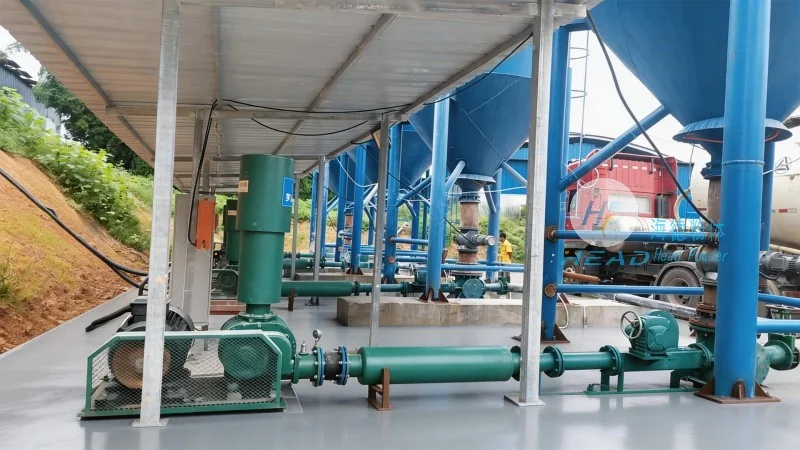
Hybrid systems combine elements of both dilute and dense phase conveying to offer the best of both worlds. These systems are designed to handle a wide range of cocoa products, from fine powders to larger particles, over varying distances. The hybrid approach allows for flexibility in operation, enabling the system to switch between different conveying modes based on the material being transported or the operational requirements.
For example, a hybrid system might use a dilute phase mode for transporting cocoa powder over short distances and switch to a dense phase mode for longer distances or when handling larger particles. This adaptability makes hybrid systems highly efficient and suitable for complex production environments where multiple processing stages are involved. The design of hybrid systems includes advanced control mechanisms to optimize the air flow and material transport, ensuring consistent performance and minimal energy consumption.
Choosing the Right Pneumatic Conveying Structure
Selecting the appropriate pneumatic conveying structure for cocoa processing depends on several factors, including the type of cocoa product, the distance to be covered, the required material flow rate, and the available space in the facility. It is essential to consider the specific characteristics of the cocoa, such as its moisture content, particle size, and sensitivity to handling, when making this decision.
For instance, if the cocoa is in a fine powder form and needs to be transported over long distances without degradation, a dense phase system might be the best choice. Conversely, if the cocoa is in larger particles and needs to be moved over shorter distances, a dilute phase system could be more suitable. The cost of the system, including initial investment and operational expenses, is also a critical factor to consider when selecting the right structure.
Benefits of Using Pneumatic Conveying Structures
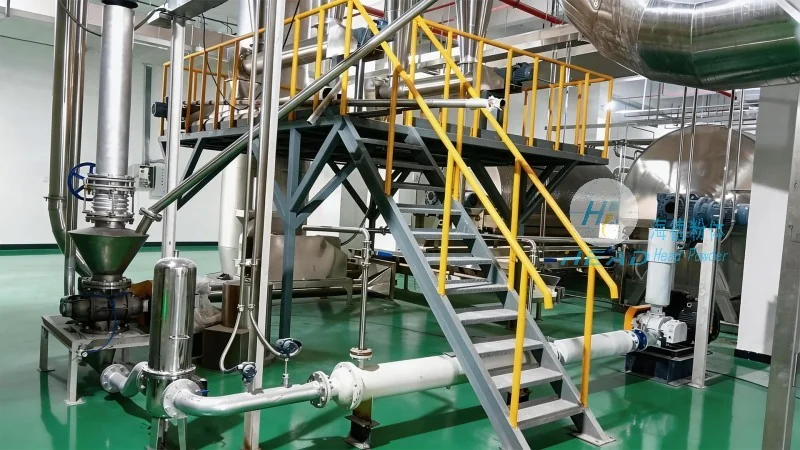
Implementing the right pneumatic conveying structure in cocoa processing offers numerous benefits. These systems enhance operational efficiency by reducing the time and labor required for material handling. They also improve product quality by minimizing the risk of contamination and degradation during transport. Additionally, pneumatic conveying systems can help optimize the use of space in the facility, as they often require less floor space compared to traditional conveyor systems.
Another advantage is the ability to integrate the conveying system with other processing equipment, creating a seamless flow of materials from storage to processing to packaging. This integration can lead to increased productivity and reduced downtime in the production line. Furthermore, pneumatic conveying systems are generally more hygienic and easier to clean, which is crucial in the food industry where compliance with regulatory standards is mandatory.
Conclusion
In conclusion, the main pneumatic conveying structures for cocoa processing include dilute phase, dense phase, vacuum, and hybrid systems. Each structure has its own unique features and is suited to specific operational needs. By understanding the characteristics of these systems and selecting the appropriate one for their cocoa processing facility, businesses can optimize their material handling processes, improve product quality, and enhance overall operational efficiency.
For companies in the cocoa industry looking to upgrade or install a new pneumatic conveying system, it is essential to consult with experts who can provide tailored solutions based on their specific requirements. With the right system in place, cocoa processing facilities can achieve smoother operations, higher productivity, and better product quality, ultimately contributing to their success in the competitive market.