Pneumatic conveying, particularly for polypropylene pellets, is a critical process in material handling and industrial applications. This method involves transporting bulk materials like polypropylene pellets through a pipeline using air or other gas as the conveying medium. Understanding the working principle of such systems is essential for optimizing material flow, ensuring efficiency, and maintaining product quality in various manufacturing settings.
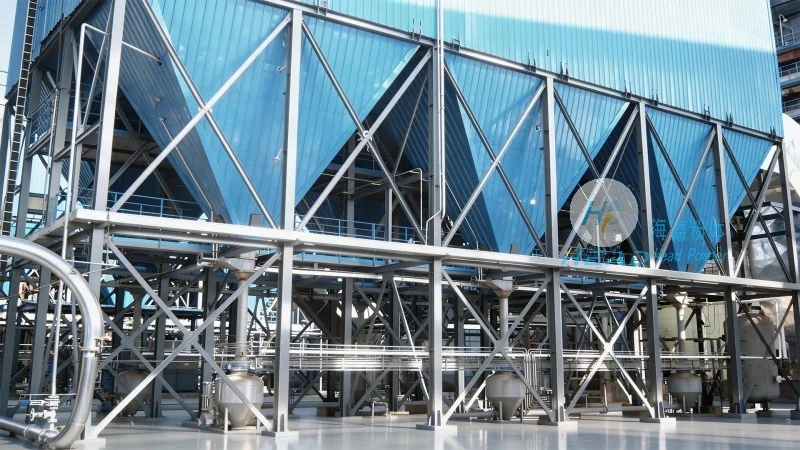
How Pneumatic Conveying Works for Polypropylene Pellets
The core of polypropylene pellet pneumatic conveying lies in the use of a pressure or vacuum system to move the material through a pipeline. There are primarily two types of pneumatic conveying systems: pressure and vacuum. In pressure systems, a positive pressure is applied at the inlet, pushing the material through the pipeline. Vacuum systems, on the other hand, create a negative pressure at the discharge end, drawing the material into the pipeline. For polypropylene pellets, which are often lightweight and can be prone to segregation or degradation under certain conditions, the choice of system and operating parameters is crucial.
Key Components of a Polypropylene Pellet Pneumatic Conveying System
A typical polypropylene pellet pneumatic conveying system consists of several key components that work in tandem to ensure efficient material transport. These include the hopper or feeder, which holds the polypropylene pellets and regulates the flow into the system; the conveyor line, which is the pipeline through which the pellets travel; the air or gas source, which provides the necessary pressure or vacuum; and the control system, which monitors and adjusts the flow rate and pressure to maintain optimal operation. Each component plays a vital role in the overall performance and reliability of the system.
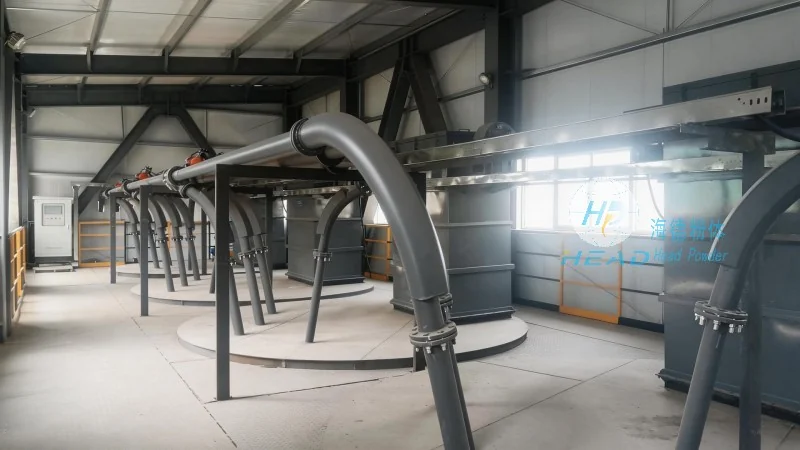
Benefits of Using Pneumatic Conveying for Polypropylene Pellets
Implementing a pneumatic conveying system for polypropylene pellets offers numerous advantages over traditional methods like belt conveyors or manual handling. One of the primary benefits is the ability to transport materials in a closed system, which helps prevent contamination from dust, moisture, or other environmental factors. This is particularly important for polypropylene pellets, which are often used in applications where purity and consistency are critical, such as in the production of plastic products or packaging materials. Additionally, pneumatic conveying systems can handle materials at high speeds and over long distances with minimal maintenance, reducing operational costs and increasing productivity.
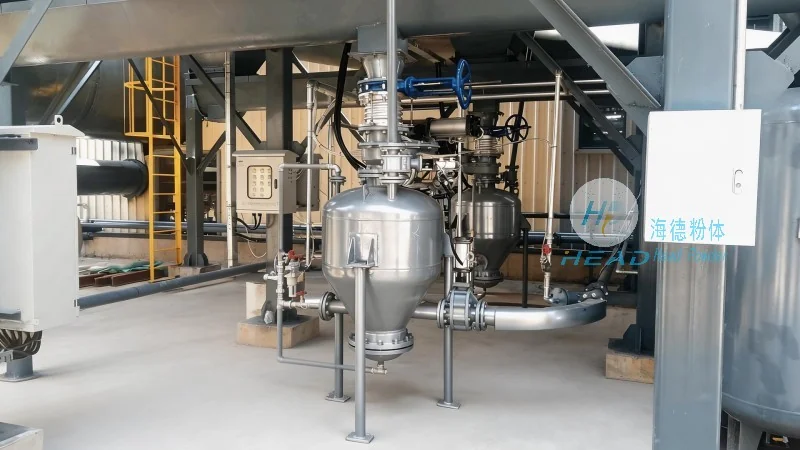
About HeadPowder: Experts in Powder Handling Solutions
HeadPowder, or Shandong HeadPowder Engineering Co., Ltd., is a leading provider of specialized equipment and solutions for powder handling and material transport. With a focus on industrial applications, HeadPowder has developed advanced pneumatic conveying systems tailored to the unique needs of polypropylene pellet processing. The company is based in Shandong, China, and serves a wide range of industries, including plastics manufacturing, food processing, and pharmaceuticals. HeadPowder's expertise lies in designing and manufacturing systems that ensure efficient, reliable, and safe material transport, helping clients improve their operational efficiency and product quality.
Conclusion: The Importance of Understanding Pneumatic Conveying for Polypropylene Pellets
As industries continue to rely on polypropylene pellets for various applications, the importance of efficient material handling cannot be overstated. Pneumatic conveying systems offer a versatile and effective solution for transporting these materials, and understanding the working principles and components of such systems is key to maximizing their benefits. By leveraging the expertise of companies like HeadPowder, manufacturers can ensure that their polypropylene pellet handling processes are optimized for performance, reliability, and cost-effectiveness. Whether for new installations or system upgrades, pneumatic conveying remains a vital technology in the modern industrial landscape.




