HeadPowder, a leading provider in the field of material handling solutions, specializes in the design, manufacturing, and installation of pneumatic conveying systems tailored for various industrial applications. This article provides an overview of the pneumatic conveying process for calcium carbonate powder, a common and widely used industrial material, while detailing the fundamental principles that govern the operation of such systems.
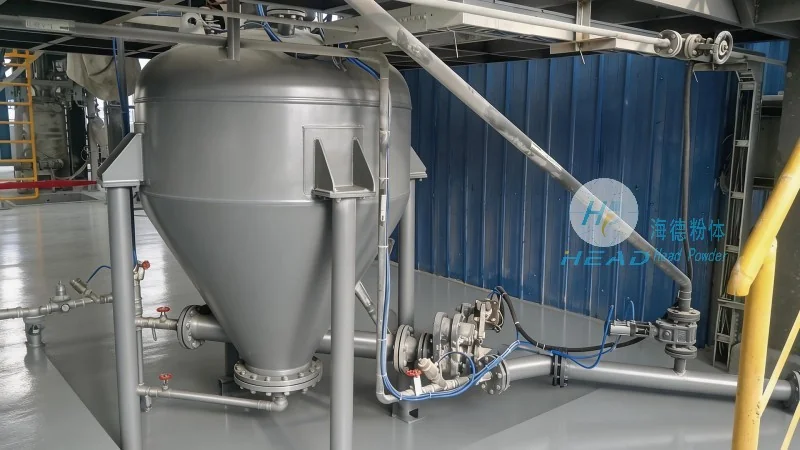
Company Profile: HeadPowder
HeadPowder, operating under the full name Shandong HeadPowder Engineering Co., Ltd., is a reputable enterprise based in Shandong, China. With a strong commitment to innovation and quality, the company has established itself as a trusted partner for businesses seeking efficient and reliable material transport solutions. HeadPowder's expertise lies in the development of customized pneumatic conveying systems that address the unique challenges of handling fine powders like calcium carbonate, ensuring optimal performance and minimal operational disruptions.
Pneumatic Conveying of Calcium Carbonate Powder: An Overview
Calcium carbonate powder, often used in industries such as construction, pharmaceuticals, and food processing, presents specific handling challenges due to its fine particle size and potential for dust generation. Traditional bulk material handling methods, like belt conveyors or screw conveyors, may not be suitable for such powders, as they can lead to material degradation, clogging, or environmental issues. Pneumatic conveying offers a superior alternative by utilizing air to transport the powder through a pipeline system, effectively addressing these challenges and ensuring a clean, efficient transport process.
The Working Principle of Pneumatic Conveying Systems
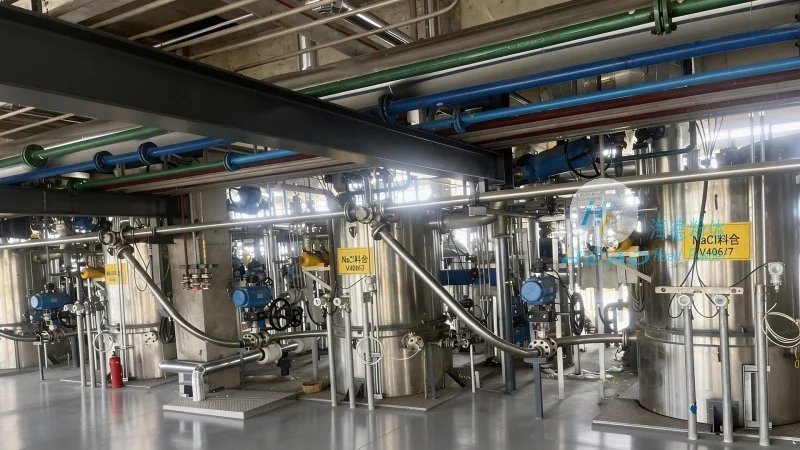
A pneumatic conveying system for calcium carbonate powder operates on the principle of air flow and pressure differentials. The system typically consists of a series of components, including a hopper for material storage, a feeder to control the flow rate, a blower or compressor to generate the necessary air pressure, and a pipeline network that transports the powder to the destination point. The process begins with the material being fed from the hopper into the pipeline. As the air is introduced, it creates a flow that lifts and transports the powder particles through the system. The velocity of the air is carefully controlled to ensure that the powder remains suspended and moves smoothly without causing blockages or excessive wear on the system components.
Key Components and Their Functions
Several critical components work in tandem to ensure the efficient operation of a pneumatic conveying system for calcium carbonate powder. The hopper serves as the storage vessel, providing a controlled environment for the material. The feeder, often a rotary valve or a screw feeder, regulates the material flow into the pipeline, preventing overfeeding and maintaining consistent transport rates. The blower or compressor generates the required air pressure, which is essential for moving the powder through the system. The pipeline network, constructed from materials resistant to the chemical properties of calcium carbonate, ensures durability and prevents material degradation. Additionally, the system may include filters and cyclones to separate the powder from the air at the receiving end, ensuring a clean and efficient material handling process.
Advantages of Pneumatic Conveying for Calcium Carbonate Powder
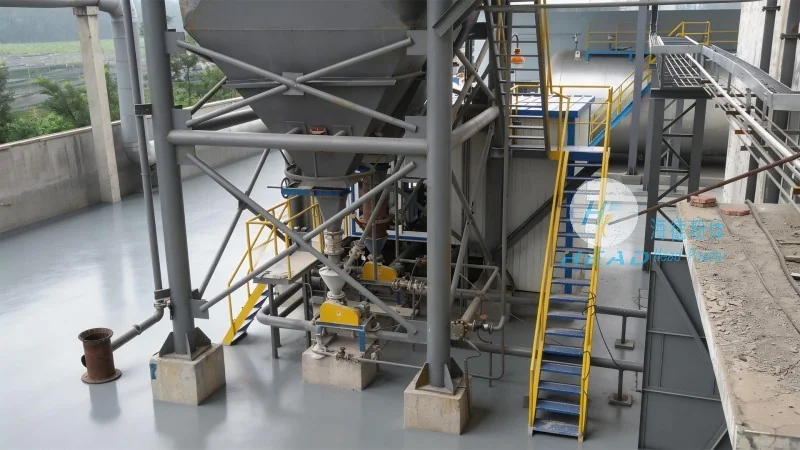
Implementing a pneumatic conveying system for calcium carbonate powder offers numerous advantages over traditional handling methods. Firstly, it provides a dust-free and enclosed transport process, reducing environmental contamination and improving workplace safety. Secondly, the system minimizes material degradation, as the powder is not subjected to mechanical stress or friction during transport. Thirdly, pneumatic conveying allows for precise control over the flow rate and destination of the material, enabling efficient integration with downstream processes. Furthermore, the system is compact and can be customized to fit the specific space constraints of a facility, making it a versatile solution for various industrial applications.
Applications and Industries
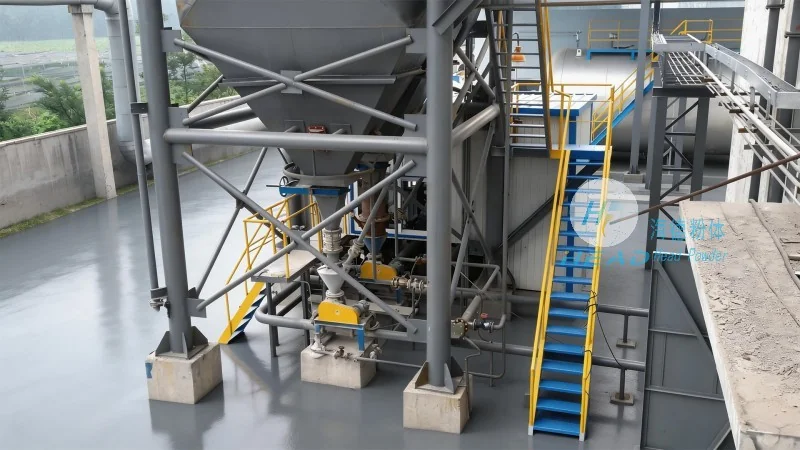
The pneumatic conveying of calcium carbonate powder is widely utilized across multiple industries. In the construction industry, it is used to transport raw materials for cement production and other building materials. In the pharmaceutical industry, it facilitates the handling of calcium carbonate as an excipient or active ingredient in drug formulations. The food processing industry also benefits from this technology, as it allows for the efficient transport of calcium carbonate used as a food additive or nutritional supplement. Additionally, the chemical and plastic industries utilize pneumatic conveying for calcium carbonate in the production of various products, leveraging its unique properties to enhance material performance.
Conclusion
HeadPowder, with its expertise in pneumatic conveying systems, offers tailored solutions for the efficient handling of calcium carbonate powder. By understanding the fundamental principles of pneumatic conveying and leveraging advanced technology, the company ensures that its systems provide reliable, cost-effective, and environmentally friendly material transport solutions. As industries continue to demand more efficient and sustainable material handling methods, pneumatic conveying remains a critical technology for the successful processing of fine powders like calcium carbonate.




