HeadPowder, a leading provider in the field, specializes in the technology and systems for transporting glass fiber powders through pneumatic conveying methods. This article provides an overview of the process, its applications, and the fundamental principles that govern the operation of such systems.
Understanding Pneumatic Conveying Systems
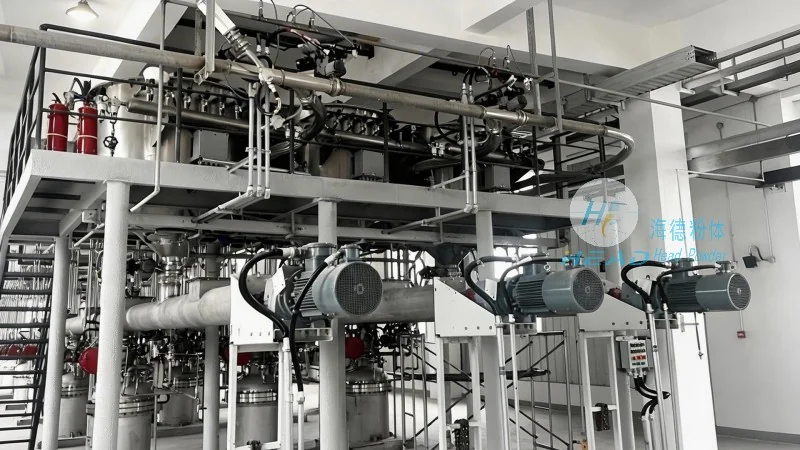
Pneumatic conveying systems utilize air or other gases to transport bulk materials like glass fiber powders from one location to another. The core components typically include a material feed device, a conveying line, a separation unit, and a dust collection system. The system works by creating a pressure differential that propels the material through the pipeline.
Key Components of a Pneumatic Conveying System
Several critical components are essential for the efficient operation of a glass fiber powder pneumatic conveying system. The material feed unit, such as a rotary valve or a hopper, ensures a controlled and consistent flow of the powder into the system. The conveying line, often made of metal or plastic, is designed to withstand the pressure and abrasion caused by the glass fiber particles. The separation unit, which may include a cyclone or a bag filter, separates the conveyed material from the air stream, allowing for clean material recovery and air purification.
Working Principle of Pneumatic Conveying
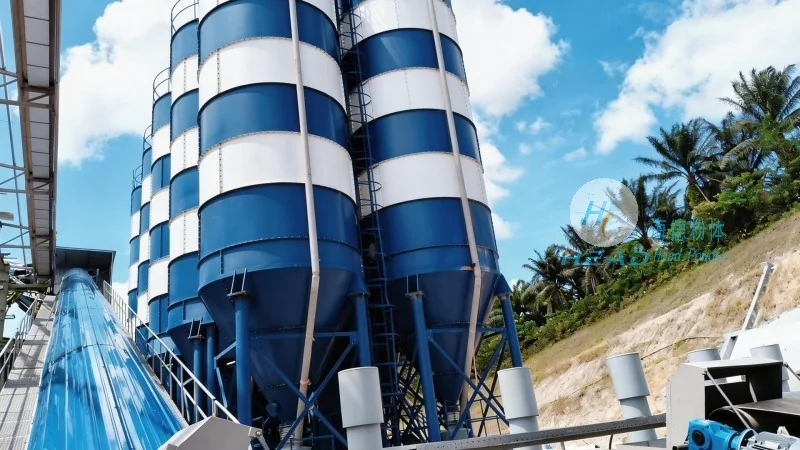
The working principle of a pneumatic conveying system involves generating a pressure difference between the inlet and outlet of the conveying line. In a positive pressure system, compressed air is introduced at the material feed point, creating a high-pressure environment that pushes the powder through the pipeline. The air velocity is maintained above the material's terminal velocity to prevent settling and ensure smooth transport. In a negative pressure system, air is drawn out of the system, creating a vacuum that pulls the material from the source. Both systems rely on the interaction between the air flow and the powder particles to achieve effective transport.
Applications of Glass Fiber Powder Pneumatic Conveying
Glass fiber powders are widely used in various industries, including composites, insulation, and filtration. Pneumatic conveying systems are particularly advantageous for these applications due to their ability to handle fine powders with minimal degradation. The technology is used in manufacturing processes where the powder needs to be transported over long distances or through complex layouts without the need for mechanical components like conveyors or elevators.
Benefits of Using Pneumatic Conveying for Glass Fiber Powders
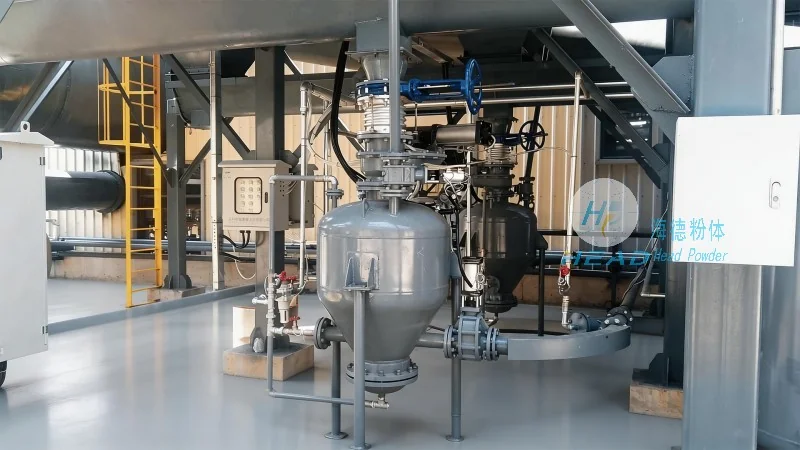
Implementing a pneumatic conveying system for glass fiber powders offers several benefits. First, it provides a dust-free and enclosed transport process, which enhances workplace safety and reduces environmental contamination. Second, the system is highly efficient in terms of energy consumption and material handling, as it eliminates the need for multiple handling steps and reduces material loss. Third, the technology allows for precise control over the flow rate and pressure, ensuring consistent product quality and minimizing the risk of clogging or blockages in the pipeline.
Challenges and Solutions in Glass Fiber Powder Pneumatic Conveying
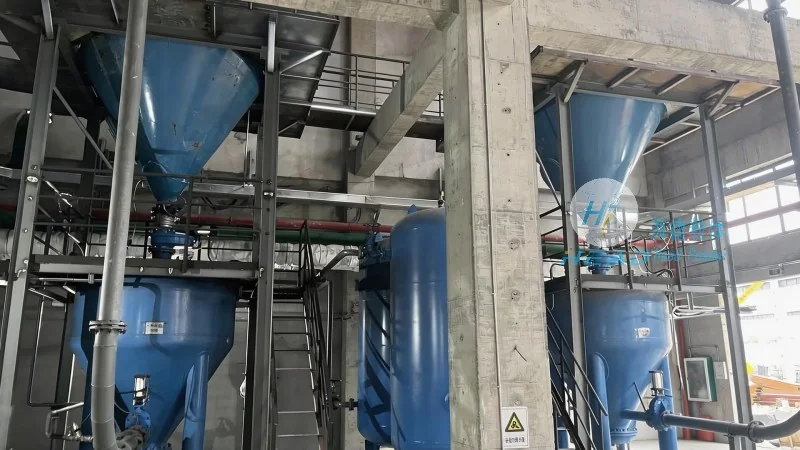
While pneumatic conveying is an effective method, it presents certain challenges when dealing with glass fiber powders. One of the primary issues is the abrasive nature of the particles, which can cause wear and tear on the conveying line and components. To address this, manufacturers use high-quality materials, such as stainless steel or specialized coatings, to protect the equipment. Another challenge is the potential for static electricity buildup, which can lead to material bridging or discharge issues. Anti-static measures, including grounding and the use of conductive materials, are implemented to mitigate these problems.
Conclusion
HeadPowder Engineering Co., Ltd., based in Shandong, China, is a trusted provider of pneumatic conveying solutions for glass fiber powders. By understanding the working principles and key components of these systems, industries can optimize their material handling processes, improve efficiency, and ensure product quality. The technology continues to evolve, with advancements in material selection and system design, making it an increasingly viable option for transporting fine powders in various applications.




