When it comes to efficiently transporting aluminum sulfate, a specialized piece of equipment known as a pneumatic conveying system is often employed. This technology is a cornerstone in the handling of bulk powders, offering a reliable and effective solution for moving materials like aluminum sulfate from one location to another within industrial settings. The following article delves into the specifics of such a system, exploring its structure, operational principles, and the key components that make it a vital asset in powder handling applications.
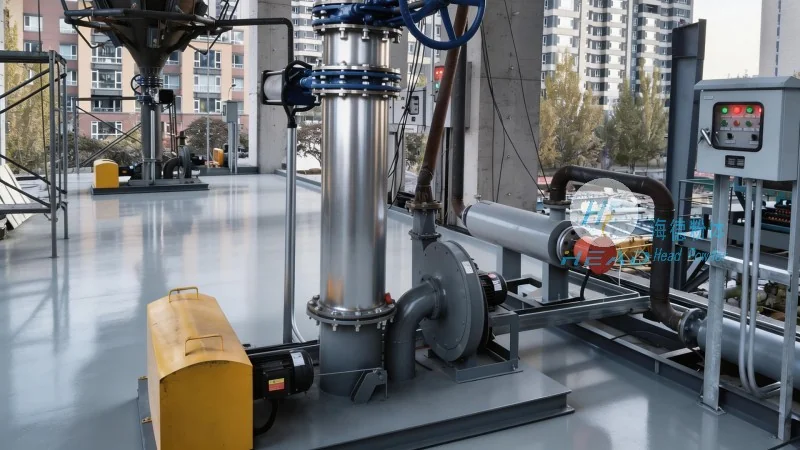
Understanding the Core Components of a Pneumatic Conveying System for Aluminum Sulfate
A pneumatic conveying system for aluminum sulfate typically consists of several interconnected components that work in tandem to achieve efficient material transport. The primary elements include a hopper or feed bin, a conveyor line (either positive or negative pressure), a separation or filtration system, and a discharge outlet. Each component plays a crucial role in ensuring the smooth and safe transfer of the powder. The hopper is designed to store the aluminum sulfate and provide a consistent feed to the conveyor system, preventing material buildup and ensuring a steady flow. The conveyor line, which can operate under positive pressure (where air pushes the material) or negative pressure (where air pulls the material), is the heart of the system, responsible for moving the aluminum sulfate through the pipeline. The separation or filtration system is essential for removing any entrained air or fine particles from the conveyed material, ensuring that the final product remains clean and free from contamination. Finally, the discharge outlet allows the aluminum sulfate to be deposited at the desired location, completing the transport process.
The Operational Principle of Pneumatic Conveying for Aluminum Sulfate
The operational principle of a pneumatic conveying system for aluminum sulfate revolves around the use of air to move the powder through a pipeline. In positive pressure systems, compressed air is introduced into the hopper, creating a pressure differential that forces the aluminum sulfate into the conveyor line. The air then carries the powder along the pipeline, maintaining a consistent flow rate. In negative pressure systems, a vacuum is created at the discharge end, drawing the aluminum sulfate from the hopper and through the pipeline. Both methods rely on the principle of fluidization, where the air flow creates a suspension of the powder particles, allowing them to be transported efficiently. The key to successful operation lies in maintaining the correct air-to-material ratio, which ensures that the powder remains suspended and does not settle or clog the system. This balance is critical for preventing blockages and ensuring the longevity of the equipment.
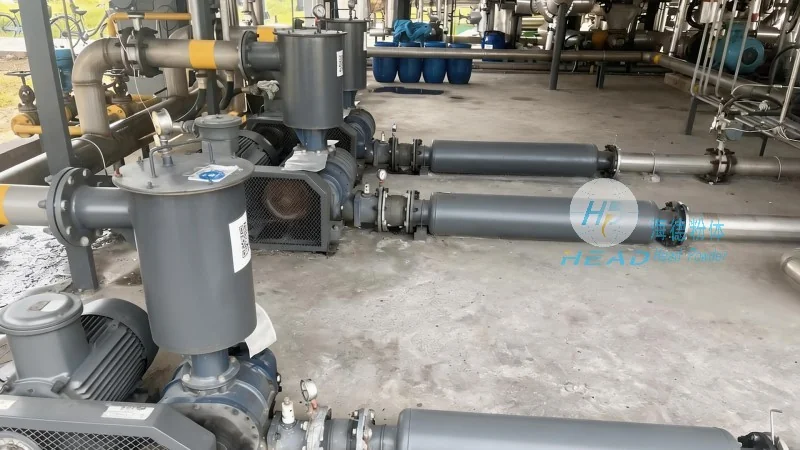
Key Features and Benefits of Pneumatic Conveying Systems for Aluminum Sulfate
Pneumatic conveying systems for aluminum sulfate offer several advantages that make them a preferred choice in industrial applications. One of the primary benefits is the ability to transport the material over long distances without the need for multiple transfer points or intermediate storage. This reduces the risk of material degradation and contamination, as the powder remains in a closed system throughout the process. Additionally, these systems are highly flexible, allowing for changes in the transport route or destination without significant modifications to the equipment. The closed system design also minimizes dust emissions, contributing to a safer and more environmentally friendly operation. Furthermore, pneumatic conveying systems are capable of handling a wide range of powder characteristics, including varying particle sizes and moisture content, making them suitable for diverse aluminum sulfate applications. The efficiency of these systems in terms of energy consumption and operational costs is another significant advantage, as they require less maintenance and have lower downtime compared to traditional bulk handling methods.
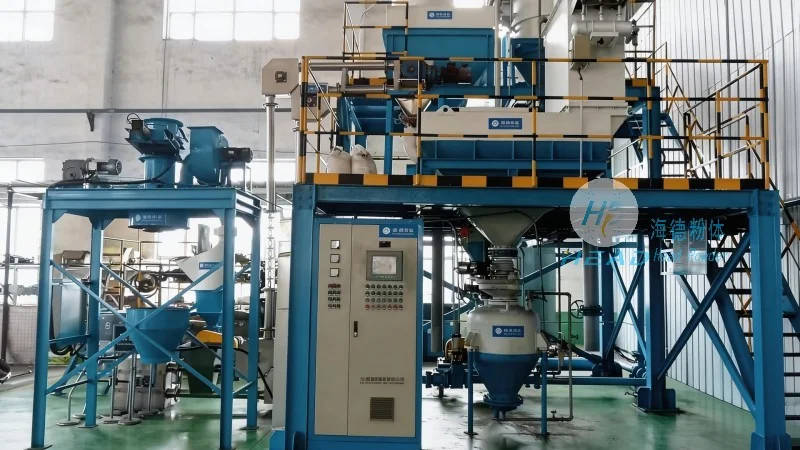
Applications and Industries Utilizing Pneumatic Conveying for Aluminum Sulfate
The use of pneumatic conveying systems for aluminum sulfate is widespread across various industries that rely on bulk powder handling. In the water treatment industry, aluminum sulfate is commonly used as a coagulant to remove impurities from water. Pneumatic conveying systems are employed to transport the aluminum sulfate from storage to the treatment facilities, ensuring a consistent and controlled supply. Similarly, in the paper and pulp industry, aluminum sulfate is used as a sizing agent to improve the paper's strength and water resistance. The ability to efficiently convey the powder to the paper manufacturing process is crucial for maintaining production quality. Other industries that benefit from this technology include chemical manufacturing, where aluminum sulfate is used as a raw material in the production of other chemicals, and the food processing industry, where it may be used as a food additive. In each of these applications, the reliability and efficiency of the pneumatic conveying system are essential for meeting production demands and maintaining product quality.
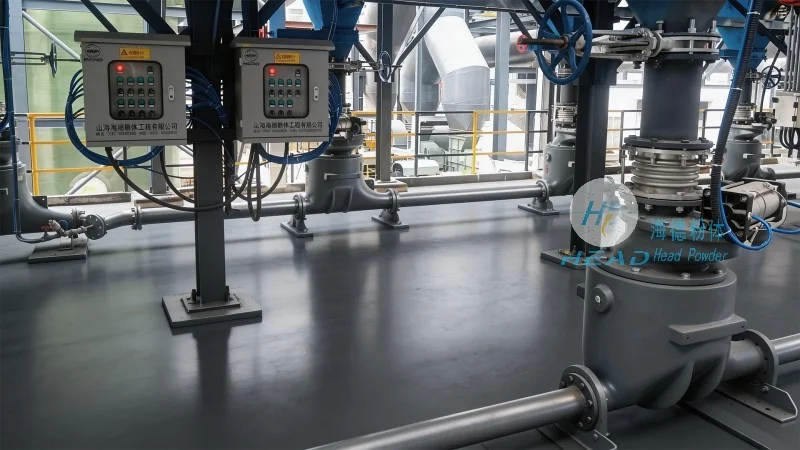
Maintenance and Best Practices for Pneumatic Conveying Systems Handling Aluminum Sulfate
Proper maintenance is essential to ensure the longevity and optimal performance of a pneumatic conveying system used for aluminum sulfate. Regular inspections of the hopper and conveyor line for signs of wear or damage are necessary to prevent material buildup and clogging. The air filtration system should be checked and cleaned regularly to maintain its efficiency in removing fine particles and preventing system blockages. Additionally, the seals and gaskets in the system should be inspected for any signs of wear or leakage, as these can lead to air loss and reduced system performance. It is also important to monitor the air pressure and flow rates to ensure they are within the recommended operating parameters. Proper cleaning procedures should be followed after each use or when switching between different materials to prevent cross-contamination. By adhering to these maintenance practices, the system can operate efficiently for extended periods, minimizing downtime and reducing operational costs.
Conclusion: The Importance of Pneumatic Conveying Systems in Aluminum Sulfate Handling
In conclusion, a pneumatic conveying system is a vital piece of equipment for efficiently handling aluminum sulfate in various industrial applications. Its ability to transport bulk powders over long distances in a closed system offers numerous benefits, including improved product quality, reduced contamination, and enhanced operational efficiency. The structure and operational principles of such a system are designed to ensure reliable and consistent material transport, making it an indispensable asset in industries that rely on aluminum sulfate. By understanding the key components, operational principles, and maintenance requirements, users can maximize the performance and lifespan of their pneumatic conveying systems, ensuring they continue to meet the demands of their aluminum sulfate handling needs. As a leading provider in this field, Shandong HeadPowder Engineering Co., Ltd. specializes in designing and manufacturing high-quality pneumatic conveying systems tailored to the specific requirements of aluminum sulfate and other bulk powder applications.




