The pneumatic conveying of lithium battery raw materials is a critical process in the manufacturing of lithium-ion batteries, ensuring efficient and safe material handling from raw material storage to processing stages. This technology involves the use of air or other gases to transport bulk materials, such as powders and granules, through a pipeline system. Understanding the design principles behind these systems is essential for optimizing performance, minimizing downtime, and maintaining product quality in lithium battery production.
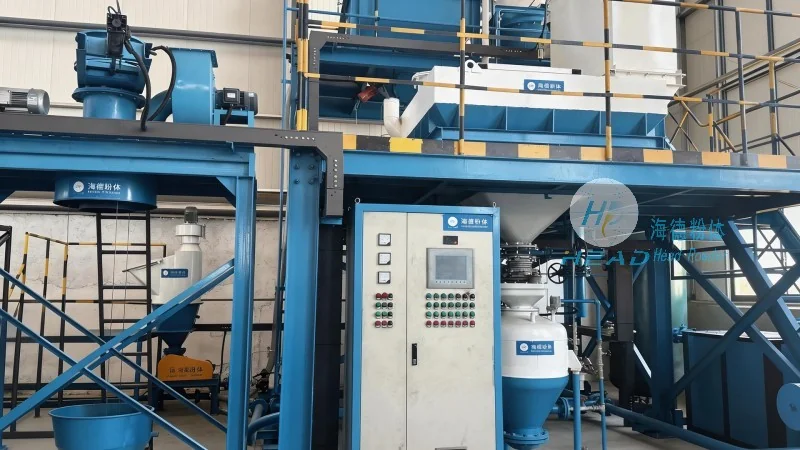
Key Components of Pneumatic Conveying Systems
At the core of any pneumatic conveying system are several key components that work in tandem to facilitate material transport. The primary elements include a material feed hopper, which holds the raw material and controls the flow rate; a conveyor line, typically a pipeline where the material is carried by the moving air; and a receiver or discharge hopper, where the material is deposited at the destination. Additionally, systems may incorporate air compressors or vacuum pumps to generate the necessary pressure or suction for material movement, as well as filters and cyclones to separate the conveyed material from the air stream and prevent contamination.
Design Principles for Efficient Material Transport
Designing an effective pneumatic conveying system for lithium battery raw materials requires careful consideration of several factors to ensure optimal performance. One of the most critical principles is the selection of the appropriate conveying method, which can be categorized into pressure or vacuum systems. Pressure systems use positive pressure to push material through the pipeline, while vacuum systems use negative pressure to pull material. The choice between these methods depends on factors such as material properties, distance to be conveyed, and system complexity. For lithium battery raw materials, which often include fine powders and reactive substances, pressure systems are commonly preferred due to their ability to maintain material integrity and prevent dust dispersion.
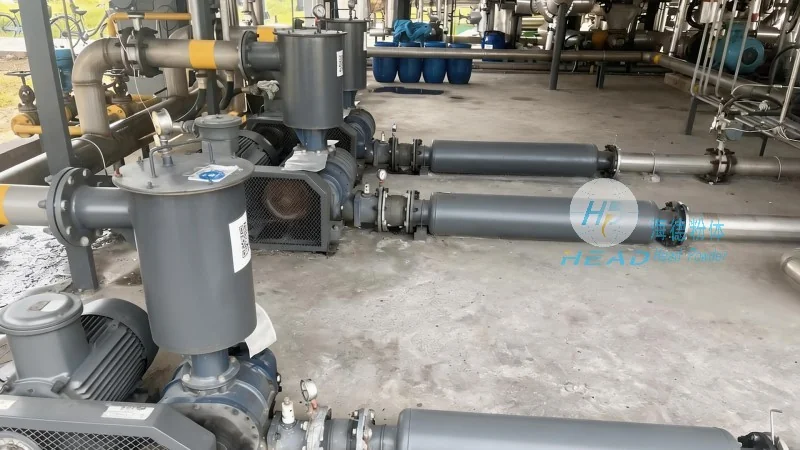
Another essential design principle is the calculation of air velocity and flow rate. The air velocity must be sufficient to overcome the resistance of the material in the pipeline and ensure that the material remains suspended in the air stream. This is typically achieved by maintaining an air velocity above the material's terminal velocity, which varies based on the particle size, density, and shape of the raw material. Proper air flow rate calculation is crucial to prevent material settling or blockages in the pipeline, which can lead to system inefficiencies and downtime. Engineers often use empirical formulas or computational fluid dynamics (CFD) simulations to determine the optimal air velocity and flow rate for a given material and system configuration.
System Integration and Material Handling Considerations
Integrating pneumatic conveying systems into lithium battery manufacturing processes requires careful planning to ensure seamless material flow and minimal disruption to production. The design must consider the entire material handling chain, from raw material storage and feeding to processing and packaging. For example, the feed hopper must be designed to accommodate the specific characteristics of the raw material, such as its bulk density and flowability, to prevent issues like bridging or segregation. Additionally, the pipeline layout must be optimized to minimize bends and changes in direction, as these can cause pressure losses and increase the risk of material deposition or blockages.
Material handling considerations also extend to the receiver or discharge hopper, where the conveyed material is deposited. The design of this component must ensure that the material is discharged smoothly and without causing excessive pressure buildup or spillage. This may involve the use of discharge valves, such as rotary valves or slide gates, which regulate the flow of material from the pipeline to the storage or processing equipment. Proper maintenance of these components is also critical to prevent wear and tear, which can affect system performance over time.
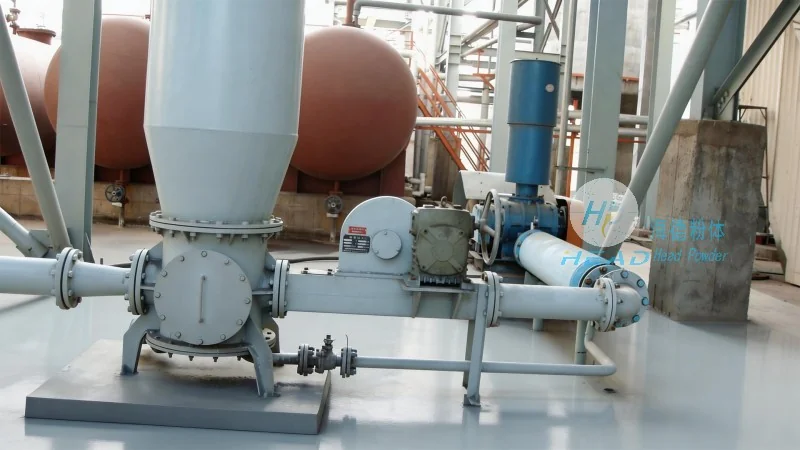
Case Study: Application by Shandong HeadPowder Engineering Co., Ltd.
Shandong HeadPowder Engineering Co., Ltd., a leading provider of engineering solutions for material handling in the lithium battery industry, has extensive experience in designing and implementing pneumatic conveying systems for lithium battery raw materials. The company specializes in customizing systems to meet the specific needs of clients, ensuring that the design principles discussed above are applied effectively. For instance, a recent project involved the installation of a pressure pneumatic conveying system for transporting lithium carbonate and lithium hydroxide powders from storage silos to a battery cell manufacturing line. The system was designed with a high-capacity air compressor and a robust pipeline network, optimized for the fine particle size and high reactivity of the materials. The result was a significant improvement in material handling efficiency, with reduced downtime and enhanced product quality. This case study highlights the importance of adhering to design principles and leveraging specialized expertise to achieve optimal results in lithium battery raw material processing.
Conclusion: The Importance of Design Principles in Pneumatic Conveying
In conclusion, the pneumatic conveying of lithium battery raw materials is a complex process that requires careful consideration of design principles to ensure efficient and reliable operation. From selecting the appropriate conveying method to optimizing air velocity and system integration, each step plays a crucial role in the overall performance of the system. Companies like Shandong HeadPowder Engineering Co., Ltd. play a vital role in providing the technical expertise and engineering solutions needed to implement these systems effectively, contributing to the growth and success of the lithium battery industry. By understanding and applying the design principles outlined above, manufacturers can enhance their material handling capabilities, reduce costs, and improve the overall quality of their lithium battery products.




