Activated carbon is a widely used material in various industrial applications, particularly for air purification, water treatment, and gas adsorption. When it comes to handling and transporting activated carbon, a specialized system known as an activated carbon pneumatic conveying system is often employed. This system is designed to efficiently move activated carbon from one location to another, ensuring minimal loss and maintaining the material's integrity. The system is developed by Shandong HeadPowder Engineering Co., Ltd., a leading company based in China, which specializes in engineering solutions for powder handling and processing. In this article, we will explore what an activated carbon pneumatic conveying system is and delve into its fundamental design principles.
Understanding the Activated Carbon Pneumatic Conveying System
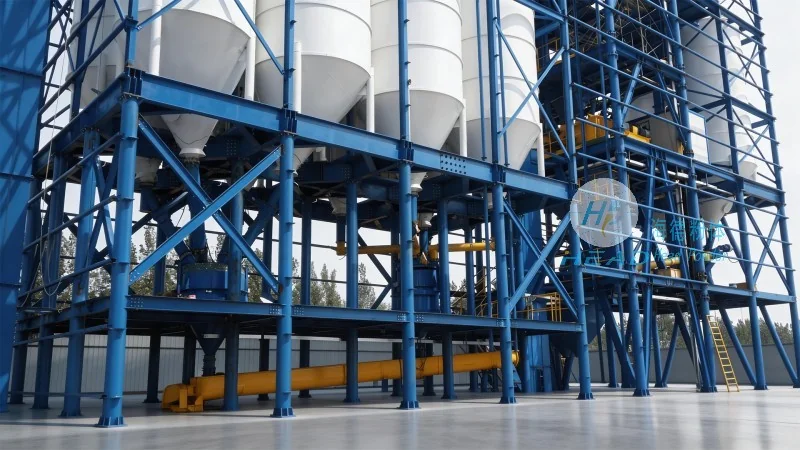
An activated carbon pneumatic conveying system is a type of pneumatic conveying equipment that utilizes air or other gas streams to transport activated carbon particles. This method is particularly advantageous for handling fine powders like activated carbon, as it avoids the need for mechanical components that could cause particle attrition or contamination. The system typically consists of several key components, including a hopper for material storage, a feeder to control the flow rate, a conveying line where the material is transported, and a receiver for the material's deposition. The entire process relies on the pressure differential created by the moving air to propel the activated carbon particles through the system.
Key Design Principles of the System
The design of an activated carbon pneumatic conveying system is governed by several critical principles to ensure optimal performance and efficiency. The first principle is the selection of the appropriate conveying medium, which is usually air under positive or negative pressure. The choice between positive and negative pressure depends on factors such as the distance to be covered, the material's properties, and the system's overall layout. Positive pressure systems are commonly used for short to medium distances, where air is blown through the conveying line to push the material. Negative pressure systems, on the other hand, are more suitable for longer distances or when the material needs to be drawn from a source, as air is pulled through the line to create suction.
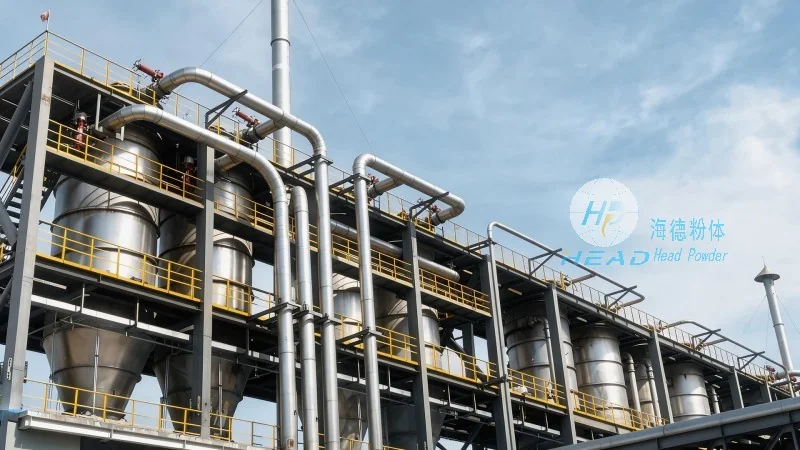
A second crucial design principle is the control of particle velocity and pressure drop. The velocity of the conveying air must be sufficient to overcome the gravitational forces acting on the activated carbon particles and any frictional losses within the system. If the air velocity is too low, the particles may settle and cause blockages. Conversely, if the velocity is too high, it can lead to excessive wear on the system components and higher energy consumption. The pressure drop across the conveying line is another critical parameter, as it directly impacts the system's energy efficiency. Proper design ensures that the pressure drop is minimized while still maintaining the required air velocity to transport the material effectively.
Material Handling Considerations
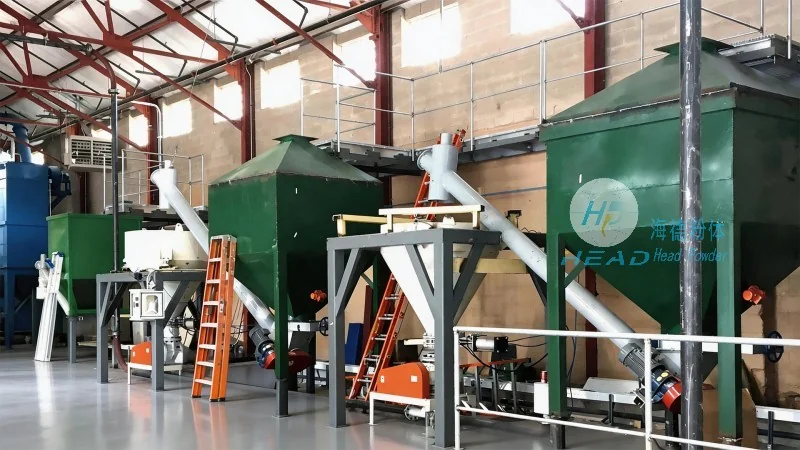
Activated carbon has unique properties that must be considered during the system's design. The material is often fine and can be prone to agglomeration, which can affect its flow characteristics and cause blockages. To mitigate this, the system may include features such as agitators or vibrators in the hopper to keep the material in a fluidized state. Additionally, the system's components, especially the conveying line and valves, must be constructed from materials that are resistant to the chemical properties of activated carbon, which may be acidic or basic depending on its application. This ensures the longevity of the system and prevents contamination of the activated carbon.
System Integration and Maintenance
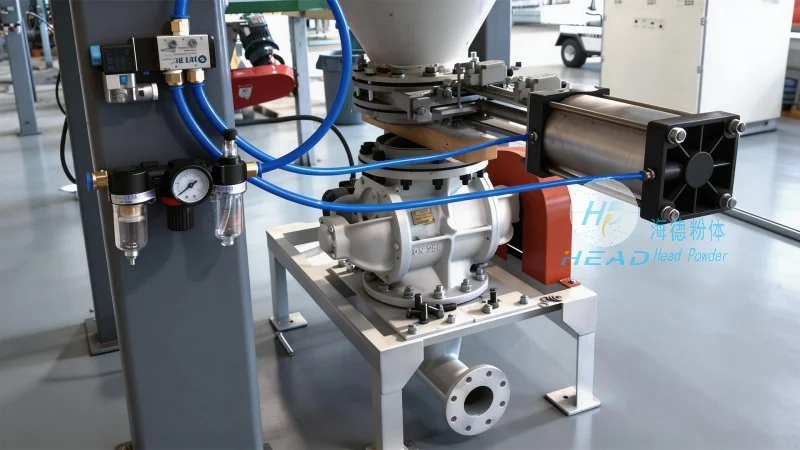
The design of an activated carbon pneumatic conveying system also involves considerations for integration with other industrial processes. For example, the system may need to connect to a filtration or adsorption unit, where the activated carbon is used for its specific function. The design must ensure that the material is delivered to the correct location without any loss or degradation. Regular maintenance is another critical aspect of the system's design. Components such as filters, cyclones, and check valves must be designed for easy access and replacement to minimize downtime. The system may also include monitoring equipment to track pressure, flow rate, and particle size, allowing for real-time adjustments to maintain optimal performance.
Conclusion
An activated carbon pneumatic conveying system is a sophisticated piece of equipment that plays a vital role in the efficient handling and transportation of activated carbon. Its design is based on fundamental principles of fluid dynamics, material science, and process engineering, ensuring that the system operates reliably and efficiently. By understanding these design principles and considering the unique properties of activated carbon, manufacturers can develop systems that meet the specific needs of various industrial applications. As the demand for activated carbon continues to grow in sectors such as environmental protection and chemical processing, the importance of well-designed pneumatic conveying systems will only increase.




