For those in the chemical processing or material handling industries, understanding specialized equipment like the bicarbonate of soda pneumatic conveying machine is crucial. This equipment plays a vital role in efficiently transporting sodium bicarbonate, a common chemical used in various applications such as food production, pharmaceuticals, and industrial processes. Shandong HeadPowder Engineering Co., Ltd., a leading manufacturer based in Shandong, China, specializes in designing and manufacturing high-quality pneumatic conveying systems tailored to the needs of industries handling delicate powders. In this article, we will explore what a bicarbonate of soda pneumatic conveying machine is and delve into its fundamental design principles, offering insights into its functionality and importance in modern industrial operations.
Introduction to Bicarbonate of Soda Pneumatic Conveying Machines
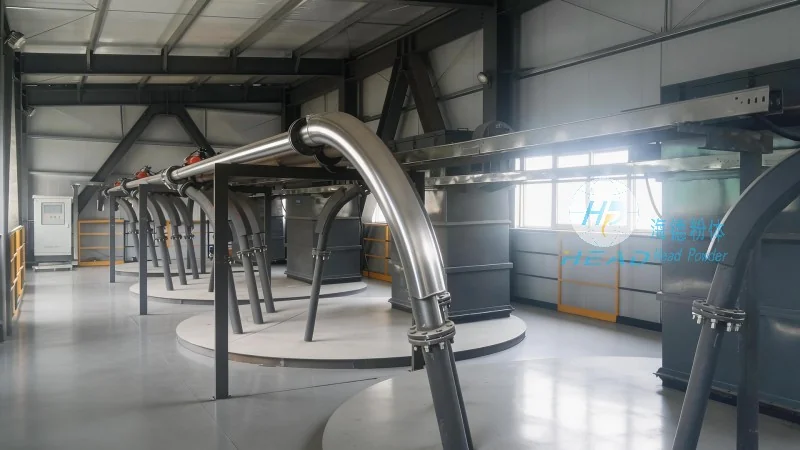
A bicarbonate of soda pneumatic conveying machine is a specialized system designed to transport dry powders, specifically sodium bicarbonate, using air or gas as the conveying medium. Unlike traditional mechanical conveyors, this system relies on the force of air to move the material through a pipeline. The machine is widely used in industries where handling delicate or hygroscopic powders is necessary, as it minimizes product degradation and contamination. The core components of this equipment include a hopper for material storage, a blower or compressor to generate airflow, a pipeline system for material transport, and a discharge mechanism at the destination point. Each component works in tandem to ensure efficient and reliable material transfer.
Key Design Principles of Bicarbonate of Soda Pneumatic Conveying Machines
The design of a bicarbonate of soda pneumatic conveying machine is governed by several critical principles that ensure optimal performance and safety. First, the system must maintain consistent air pressure and flow rates to prevent material blockages or uneven distribution. This is achieved through the use of high-quality blower systems and pressure regulators that can handle the specific properties of sodium bicarbonate, such as its low bulk density and tendency to agglomerate. Second, the material handling process must minimize product attrition and degradation. This is accomplished by employing smooth, corrosion-resistant pipelines and using low-velocity conveying techniques to reduce particle impact and friction. The design also incorporates features like pulse-jet cleaning systems to prevent clogging and maintain consistent airflow. Additionally, the system is engineered to handle the hygroscopic nature of sodium bicarbonate, ensuring that moisture does not affect the material's quality or the equipment's performance.
Components and Their Functions in the Bicarbonate of Soda Pneumatic Conveying Machine
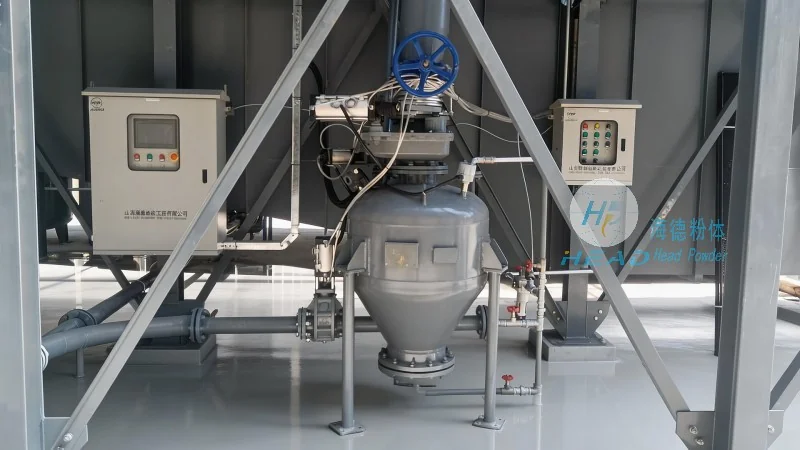
The bicarbonate of soda pneumatic conveying machine consists of several key components, each with a specific function that contributes to the overall efficiency of the system. The hopper serves as the primary storage unit, holding the sodium bicarbonate until it is ready to be conveyed. It is typically equipped with a discharge valve to control the flow of material into the conveying line. The blower or compressor is the heart of the system, generating the necessary airflow to move the material through the pipeline. This component must be capable of producing sufficient pressure and volume to overcome the resistance of the pipeline and the material's density. The pipeline system is designed to transport the material from the hopper to the discharge point, often using flexible or rigid tubing depending on the application. The pipeline is usually made of materials like stainless steel or polyethylene to prevent corrosion and ensure durability. The discharge mechanism at the end of the pipeline is responsible for releasing the material into the receiving container or process equipment. This component may include a valve or a hopper to control the flow and prevent backflow. Each component is carefully selected and integrated to ensure seamless operation and minimal maintenance.
Applications and Benefits of Bicarbonate of Soda Pneumatic Conveying Machines
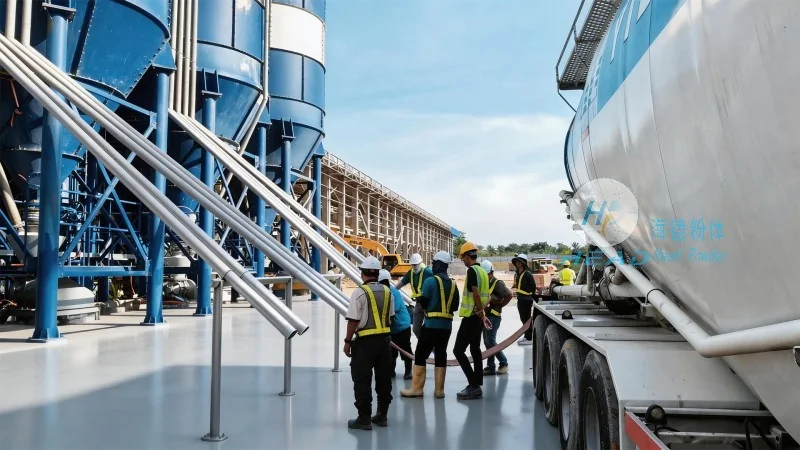
Bicarbonate of soda pneumatic conveying machines are widely used in various industries due to their ability to handle delicate powders efficiently. In the food industry, they are used to transport baking soda for use in baking and food processing, ensuring that the product remains free from contamination and maintains its quality. In the pharmaceutical industry, these machines are used to convey sodium bicarbonate for use in drug formulations, where precision and purity are paramount. In industrial applications, they are used to transport the chemical for use in chemical manufacturing processes, such as the production of other chemicals or as a raw material in various industrial processes. The benefits of using a pneumatic conveying system for sodium bicarbonate include improved safety, as the material is transported in a closed system, reducing exposure to dust and airborne particles. Additionally, the system offers high efficiency and flexibility, allowing for easy integration into existing production lines and the ability to transport materials over long distances without the need for multiple transfer points. The system also reduces labor costs by automating the material handling process and minimizing the need for manual handling of powders.
Maintenance and Operational Considerations for Bicarbonate of Soda Pneumatic Conveying Machines
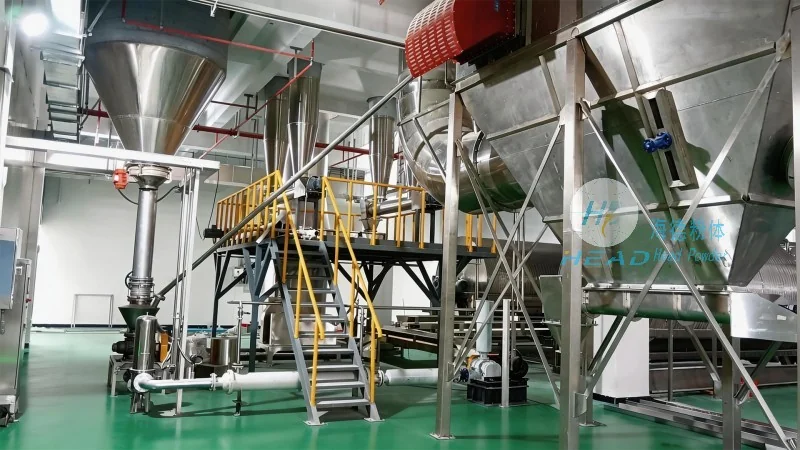
Proper maintenance and operational considerations are essential to ensure the longevity and efficiency of a bicarbonate of soda pneumatic conveying machine. Regular maintenance includes cleaning the pipeline and components to prevent clogging and corrosion, inspecting the blower and other mechanical parts for wear and tear, and checking the air pressure and flow rates to ensure they are within the optimal range. The system should be cleaned regularly, especially after handling different materials or when the material is hygroscopic, to prevent moisture buildup and product contamination. The components should be inspected for any signs of damage or wear, and replaced as needed to prevent system failures. Operational considerations include monitoring the system's performance, such as the flow rate and pressure, to ensure that it is operating efficiently. The system should be operated within the recommended parameters to avoid overloading or damaging the equipment. Additionally, the system should be equipped with safety features, such as pressure relief valves and dust collection systems, to prevent accidents and ensure the safety of the operators. By following proper maintenance and operational procedures, the bicarbonate of soda pneumatic conveying machine can provide reliable and efficient service for many years.
Conclusion
In conclusion, a bicarbonate of soda pneumatic conveying machine is a specialized and efficient system designed to transport sodium bicarbonate using air as the conveying medium. The design principles and components of this equipment are carefully engineered to ensure optimal performance, safety, and reliability. The system offers numerous benefits, including improved efficiency, reduced labor costs, and enhanced product quality. For industries that handle delicate or hygroscopic powders, this equipment is an essential tool for maintaining productivity and meeting quality standards. As technology advances, the design and functionality of these machines continue to improve, making them even more effective in modern industrial operations. By understanding the design principles and operational considerations of a bicarbonate of soda pneumatic conveying machine, businesses can make informed decisions about implementing this equipment and maximize its benefits in their production processes.




