Ammonium sulfate is a widely used chemical compound, often required to be transported efficiently in industrial settings. The equipment designed for handling this powder, known as ammonium sulfate powder handling equipment, plays a crucial role in ensuring the smooth operation of production lines. This article delves into the specifics of such equipment, focusing on its design principles and the key factors that contribute to its effectiveness.
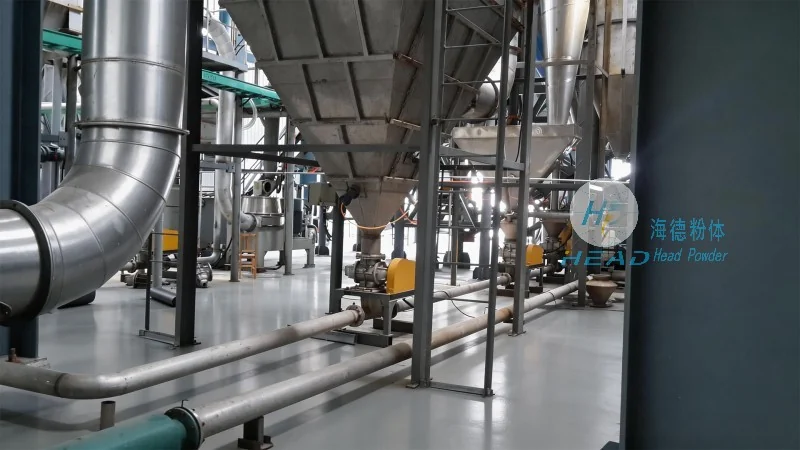
Introduction to Ammonium Sulfate Powder Handling Equipment
Ammonium sulfate (NH₄)₂SO₄ is a common fertilizer and industrial chemical. In industrial processes, it often needs to be moved from one location to another, such as from storage silos to processing units or from production lines to packaging areas. The equipment used for this purpose is specifically engineered to handle the unique properties of ammonium sulfate powder, including its flowability, density, and potential for dust generation. The design of this equipment is critical to ensure safety, efficiency, and reliability in powder handling operations.
Key Components of Ammonium Sulfate Powder Handling Equipment
The core components of ammonium sulfate powder handling equipment typically include feeders, conveyors, and storage systems. Feeders are responsible for controlling the flow rate of the powder from a storage bin or hopper. Common types of feeders used include rotary valves, vibratory feeders, and screw feeders, each with its own advantages depending on the specific application requirements. Conveyors, such as pneumatic or mechanical systems, transport the powder from the feeder to the next stage of the process. Pneumatic conveyors use air pressure to move the powder through a pipeline, while mechanical conveyors rely on belts, buckets, or chains to transport the material. Storage systems, like silos or hoppers, are designed to hold large quantities of ammonium sulfate and provide a stable feed to the feeder system.
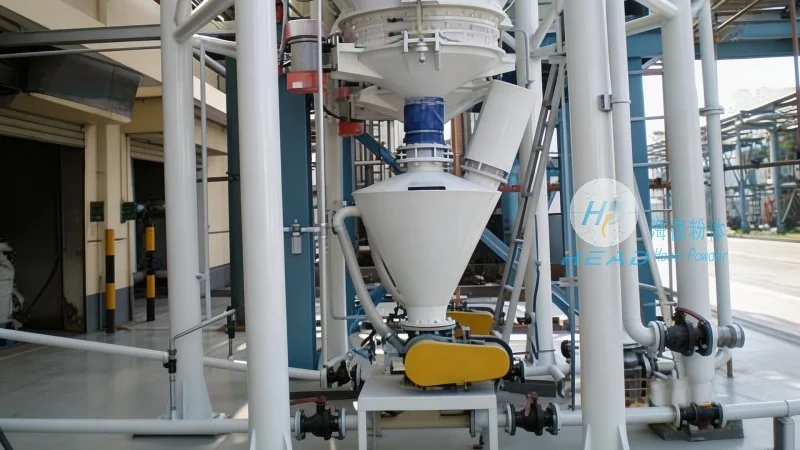
Design Principles for Efficient Powder Handling
The design of ammonium sulfate powder handling equipment is guided by several key principles aimed at optimizing performance and safety. One of the primary principles is minimizing the risk of dust generation and explosion. Ammonium sulfate is a combustible dust under certain conditions, and equipment is designed with features like explosion-proof motors, dust collection systems, and proper grounding to mitigate these risks. Another critical principle is ensuring consistent and controlled flow of the powder. This involves proper bin design to prevent material bridging or caking, which can disrupt the flow. The feeder system must be capable of maintaining a steady flow rate, even under varying pressure or material conditions. Additionally, the equipment is designed to handle the physical properties of ammonium sulfate, such as its particle size distribution and moisture content, to ensure smooth operation without blockages or wear.
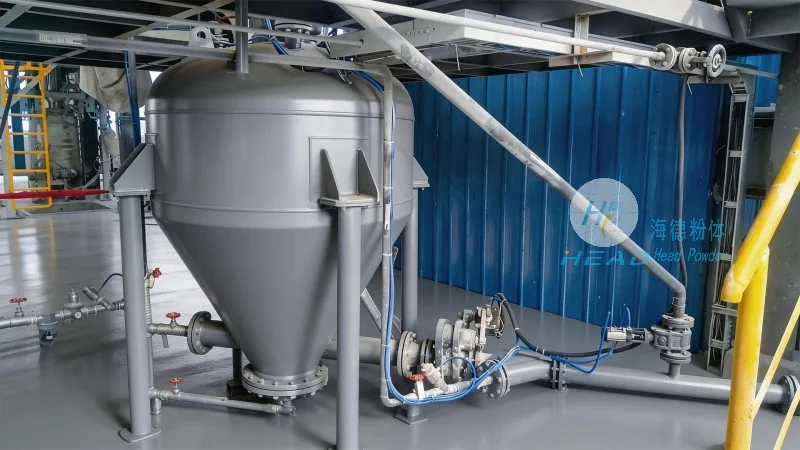
Material Handling Considerations
When designing equipment for ammonium sulfate, material properties must be carefully considered. Ammonium sulfate particles are typically fine and can be prone to static electricity, which can cause dust to accumulate and lead to handling issues. Equipment is often equipped with anti-static features, such as grounding straps or ionizers, to prevent static buildup. The equipment's construction materials must also be compatible with the chemical properties of ammonium sulfate. For example, components that come into direct contact with the powder are often made from stainless steel or other corrosion-resistant materials to prevent contamination and degradation over time. The design also considers the density and bulk density of the powder, as these affect the capacity and power requirements of the conveyor system.
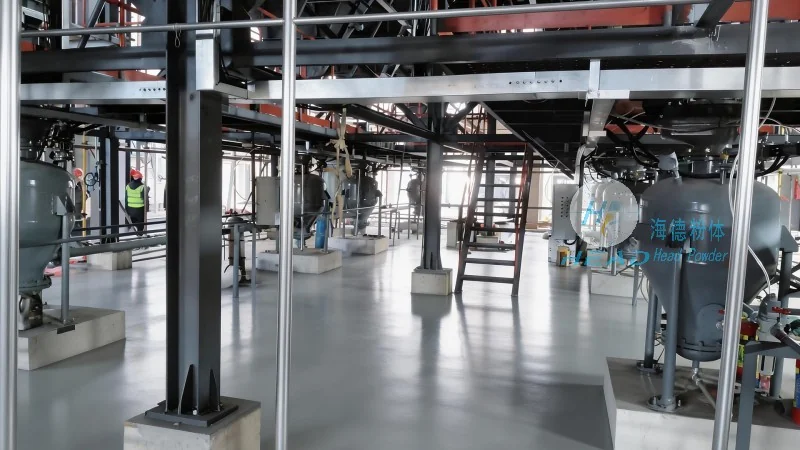
Application-Specific Design Variations
Ammonium sulfate powder handling equipment can vary significantly based on the specific application. For instance, in large-scale fertilizer production, equipment may be designed to handle high volumes of powder over long distances, requiring robust and high-capacity conveyors. In contrast, in smaller laboratory or research settings, the equipment may be more compact and designed for precise control of small quantities. The design may also adapt to different processing stages, such as initial storage, intermediate processing, or final packaging. Each stage may require different components or configurations to meet the specific needs of the process. For example, a pneumatic conveyor might be used for short-distance transport, while a mechanical conveyor might be preferred for longer distances or higher load capacities.
Conclusion
Ammonium sulfate powder handling equipment is a specialized system designed to efficiently and safely transport this important chemical compound. The design principles, components, and considerations discussed above highlight the importance of tailored engineering to meet the unique demands of ammonium sulfate handling. By understanding these principles, industries can select or design equipment that optimizes performance, ensures safety, and supports the overall efficiency of their operations. As a leading manufacturer in this field, Shandong HeadPowder Engineering Co., Ltd. specializes in providing high-quality powder handling solutions tailored to the specific needs of their clients, ensuring reliable and effective operation in various industrial applications.




