Continuous bulk powder feeding and conveying systems are essential equipment in industries that handle powders and granules. These systems are designed to transport bulk materials in a continuous manner, ensuring stable and efficient material flow from a storage silo or hopper to processing equipment. The design principles behind such systems focus on maintaining consistent flow rates, minimizing material degradation, and ensuring safe operation under various industrial conditions.
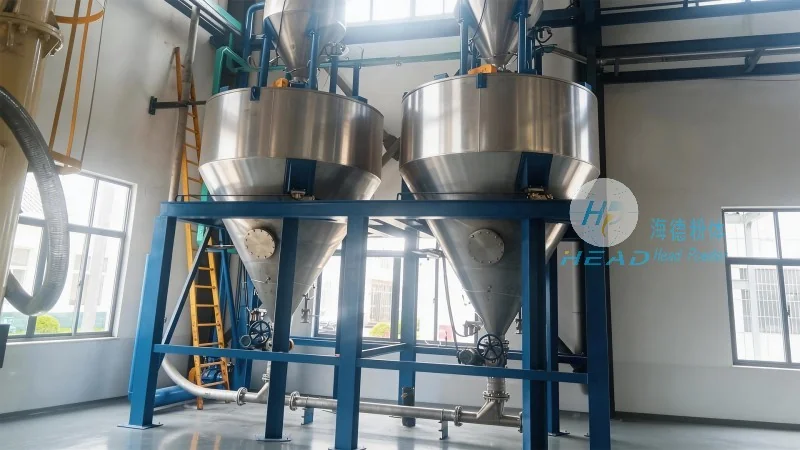
The Core Function of the System
The primary function of a continuous bulk powder feeding system is to provide a steady, controlled flow of bulk materials. Unlike batch feeding methods, which involve periodic loading and unloading, continuous systems operate continuously, allowing for uninterrupted production processes. This is particularly critical in industries where downtime can lead to significant losses, such as pharmaceutical manufacturing, food processing, and chemical production.
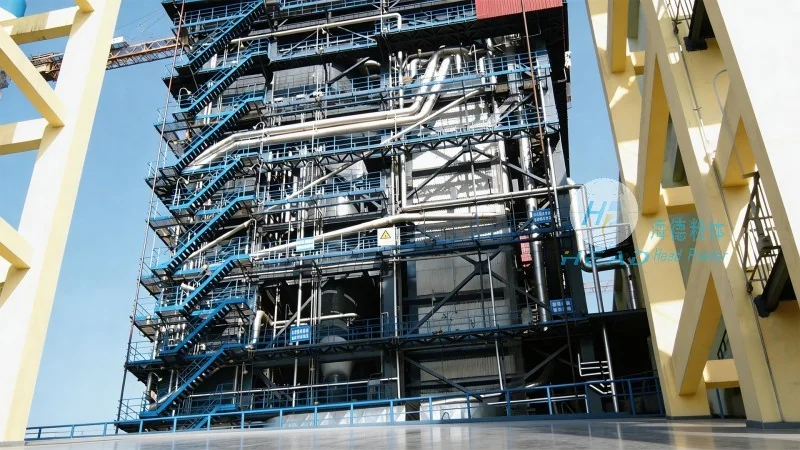
Design Principles of the Continuous Bulk Powder Feeding System
The design of a continuous bulk powder feeding system is guided by several key principles to ensure optimal performance. First, the system must be able to handle a wide range of powder characteristics, including different particle sizes, densities, and flowability. This requires careful selection of materials of construction and the design of the feeding mechanism to prevent clogging or material bridging. Second, the system must maintain a consistent flow rate, which is achieved through the use of variable speed drives, pressure sensors, and flow control valves. Third, the design must prioritize safety, incorporating features like explosion-proof components, dust collection systems, and emergency stop mechanisms to protect operators and equipment.
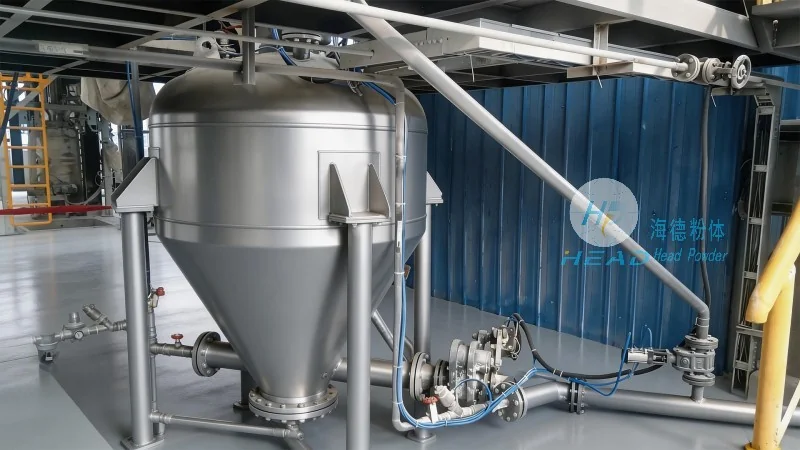
Key Components and Their Roles
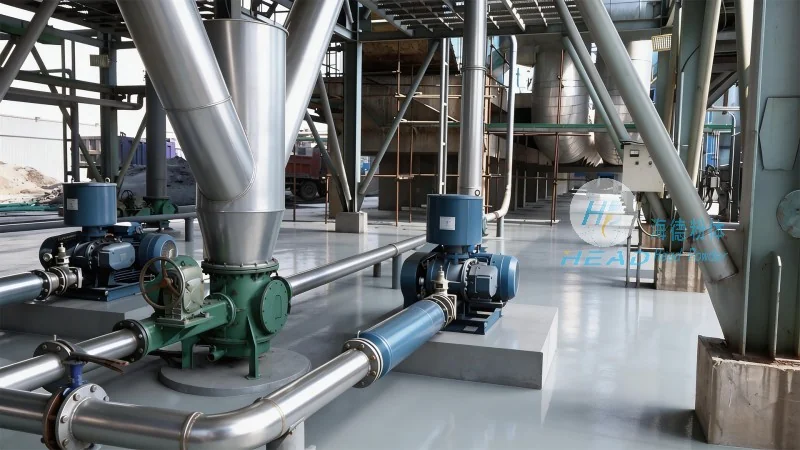
Several key components work together to ensure the smooth operation of a continuous bulk powder feeding system. The primary component is the feeding device, which can be a screw feeder, rotary valve, or pneumatic feeder, depending on the material and application. The screw feeder, for example, uses a rotating screw to push material forward, while the rotary valve uses a rotating disc to control the flow rate. The conveyor section, which may be a screw conveyor, belt conveyor, or pneumatic pipeline, transports the material from the feeding device to the processing equipment. The control system, which includes sensors, controllers, and indicators, monitors the flow rate, pressure, and temperature, and adjusts the operation of the system as needed to maintain optimal performance.
Application Scenarios and Industry Relevance
Continuous bulk powder feeding systems are widely used in various industries due to their ability to handle large volumes of materials efficiently. In the pharmaceutical industry, these systems are used to feed raw materials into mixing and granulation equipment, ensuring consistent product quality. In the food industry, they are used to transport ingredients like flour, sugar, and spices to processing lines, maintaining hygiene and preventing contamination. In the chemical industry, they are used to handle reactive powders and granules, with designs that include explosion-proof features to prevent accidents. The versatility of these systems makes them indispensable in modern manufacturing processes.
The Role of Shandong HeadPowder Engineering Co., Ltd.
Shandong HeadPowder Engineering Co., Ltd., commonly known as HeadPowder, is a leading manufacturer of bulk powder handling equipment. The company specializes in designing and manufacturing continuous bulk powder feeding and conveying systems tailored to the specific needs of various industries. With a focus on innovation and quality, HeadPowder uses advanced engineering principles to develop systems that meet the highest standards of performance, safety, and reliability. The company's products are designed to handle a wide range of materials, from fine powders to coarse granules, and are equipped with features that ensure consistent flow rates and minimal material degradation. HeadPowder's commitment to customer satisfaction and technical support has made it a trusted partner for many companies in the powder handling industry.




