

What is a Wood Chip Material Handling System Equipment? And What Are Its Design Principles?
For businesses engaged in wood processing, comprehending the wood chip material handling system equipment is essential. This equipment is pivotal in the efficient movement and processing of wood chips, which serve as critical raw materials across industries like pulp and paper, biomass energy, and woodworking. The design principles underpinning these systems are tailored to meet the specific demands of wood chip handling, ensuring optimal performance, safety, and durability.
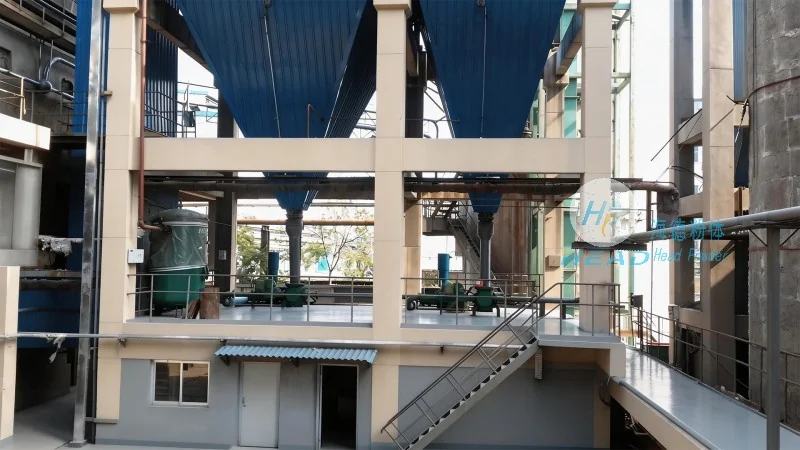
Core Components of Wood Chip Material Handling Systems
The wood chip material handling system typically comprises several key components that operate in concert to facilitate the smooth transport of wood chips. These components include feeders, conveyors, elevators, and storage silos. Each component is engineered to handle the unique characteristics of wood chips, such as their irregular shape, varying sizes, and potential moisture content. The feeders are responsible for uniformly distributing the wood chips into the conveyor system, ensuring a consistent flow. The conveyors, often in the form of belt conveyors or screw conveyors, transport the wood chips horizontally or vertically. Elevators, like bucket elevators or chain conveyors, are used to lift the wood chips to higher levels, while storage silos provide a buffer for processing.
Design Principles for Efficient Wood Chip Handling
The design of a wood chip material handling system is guided by several key principles aimed at maximizing efficiency and minimizing operational costs. One of the primary principles is the need for a continuous and uniform flow of material. This is achieved through the use of appropriate feeder mechanisms and conveyor systems that can handle the varying characteristics of wood chips without causing blockages or uneven distribution. Another critical principle is the consideration of material properties. Wood chips can be abrasive and may contain moisture, which can affect the wear and tear of equipment components. Therefore, the design incorporates materials resistant to corrosion and wear, such as stainless steel or specialized coatings, to ensure long-term durability.
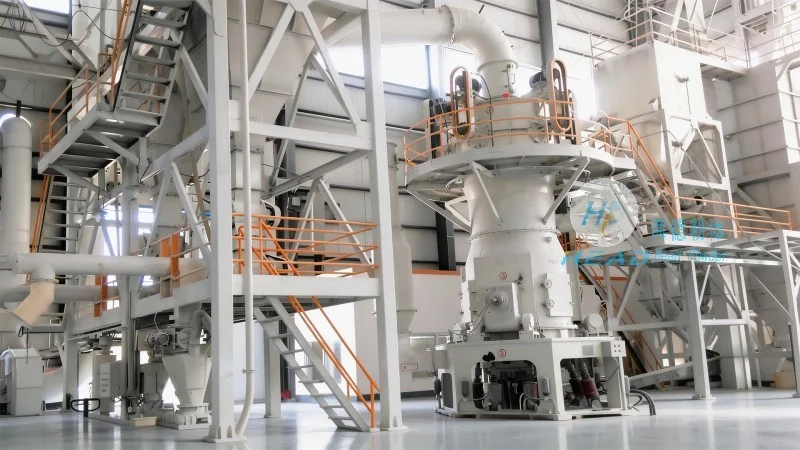
Safety and Compliance in System Design
Safety is a paramount consideration in the design of wood chip material handling systems. The systems are engineered to comply with industrial safety standards, incorporating features like emergency stop buttons, protective guards, and proper ventilation to prevent dust accumulation and potential hazards. The design also takes into account the ergonomic aspects of operation, ensuring that the equipment is user-friendly and reduces the risk of operator injuries. Additionally, the systems are designed to be scalable, allowing for future expansion as the business grows, which helps in maintaining a consistent and efficient workflow.
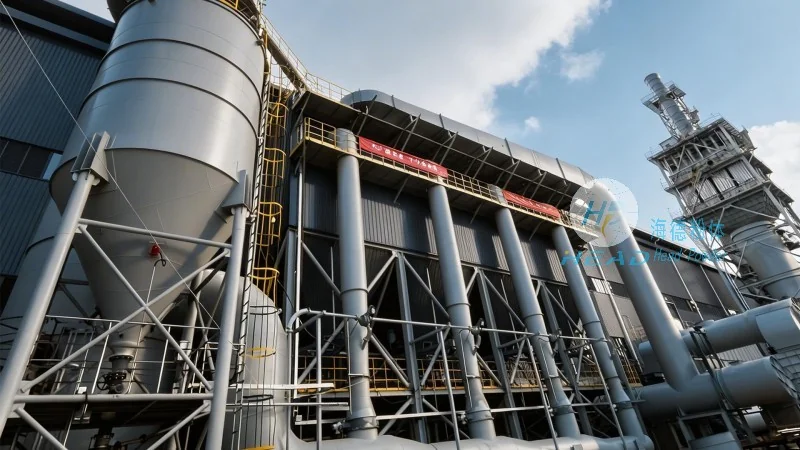
Customization and Integration with Processing Facilities
Wood chip material handling systems are often customized to fit the specific requirements of the processing facility. This includes matching the system's capacity with the production needs of the plant, ensuring that the conveyor speed and feeder capacity align with the overall processing rate. The systems are also designed to integrate seamlessly with other processing equipment, such as grinders, dryers, or pelletizers, creating a cohesive production line. The integration ensures that the wood chips are handled efficiently from the initial collection to the final processing stage, minimizing downtime and maximizing productivity.
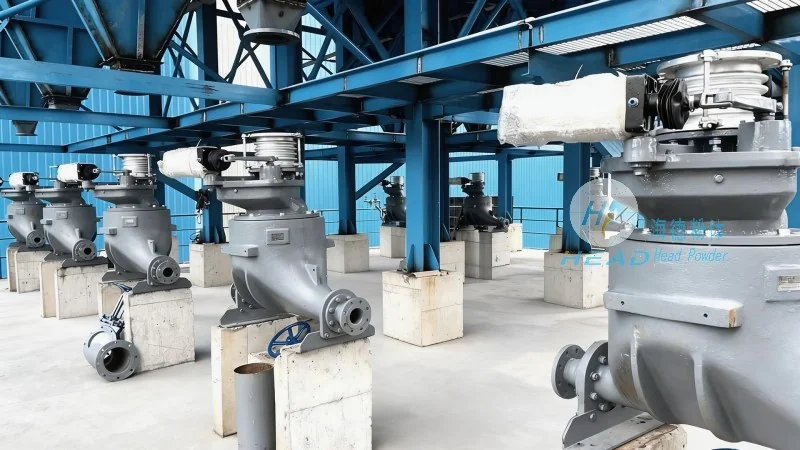
Long-Term Maintenance and Operational Efficiency
Efficient maintenance is a key aspect of the design principles for wood chip material handling systems. The systems are built with easy access to components for routine checks and maintenance, reducing the time and effort required for upkeep. Regular maintenance, including cleaning, lubrication, and part replacement, is essential to maintain the system's performance and extend its lifespan. The design also considers energy efficiency, using motor types and drive systems that minimize energy consumption while maintaining the required throughput. This not only reduces operational costs but also aligns with environmental sustainability goals.
Conclusion: The Importance of Well-Designed Wood Chip Handling Systems
In conclusion, the wood chip material handling system equipment is a critical component in modern wood processing operations. The design principles behind these systems focus on efficiency, safety, durability, and integration with overall processing facilities. By understanding these principles and investing in well-designed equipment, businesses can enhance their operational performance, reduce costs, and ensure the smooth flow of wood chips through their production processes. The expertise of companies like Shandong HeadPowder Engineering Co., Ltd., with their focus on tailored solutions and quality engineering, plays a vital role in delivering effective wood chip material handling systems that meet the specific needs of various industries.