

What is Rotary Lobe Blower Powder Pneumatic Conveying? What Are Its Design Principles?
Rotary lobe blowers and powder pneumatic conveying systems represent a critical technology in the industrial sector, particularly for the efficient handling and transportation of bulk powders. This article aims to provide a comprehensive understanding of what rotary lobe blowers are, how they function in powder pneumatic conveying, and the key design principles that underpin their operation. By exploring these aspects, we can appreciate the importance of this technology in modern industrial processes and how it contributes to operational efficiency and material handling capabilities.
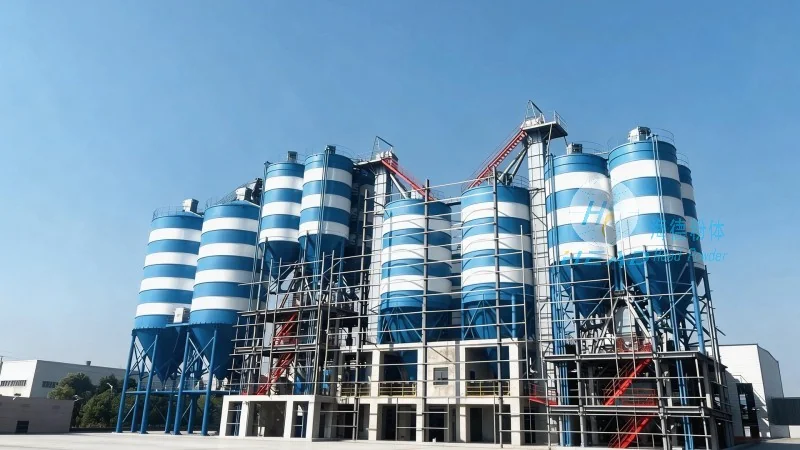
Understanding Rotary Lobe Blowers and Powder Pneumatic Conveying
A rotary lobe blower is a type of positive displacement blower that uses two lobed rotors to move air or gas through a system. These rotors rotate in opposite directions, creating a series of pockets that trap and move the fluid. In the context of powder pneumatic conveying, this device serves as the primary source of air or gas pressure needed to transport powders from one location to another. The process involves the creation of a low-pressure zone at the inlet and a high-pressure zone at the outlet, which draws the powder into the system and propels it through the pipeline. This method is widely used in industries such as pharmaceuticals, food processing, and chemical manufacturing due to its ability to handle fine powders without causing degradation or contamination.
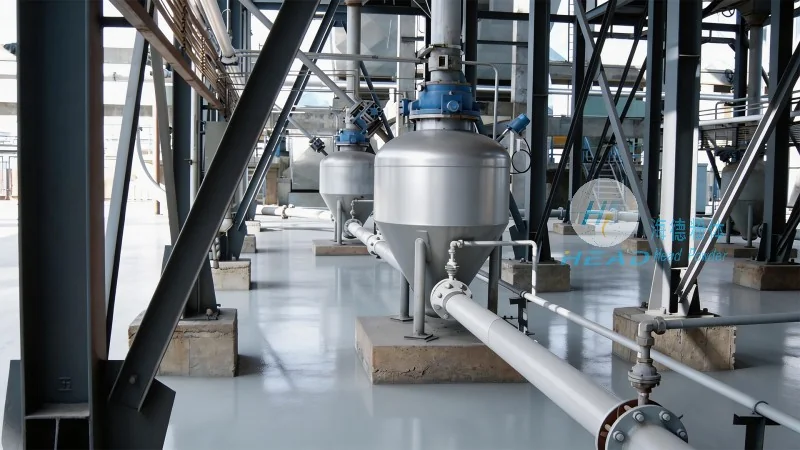
The Design Principles of Rotary Lobe Blower Powder Pneumatic Conveying Systems
The design of a rotary lobe blower powder pneumatic conveying system is based on several fundamental principles that ensure optimal performance and reliability. First, the selection of the blower's capacity and pressure is critical. The system must be capable of generating sufficient airflow and pressure to overcome the resistance of the pipeline and the weight of the powder being conveyed. This involves calculating the required air volume and pressure based on the material's properties, such as particle size, density, and flowability. Second, the design considers the type of conveying system, whether it is dilute phase or dense phase. Dilute phase systems use higher air velocities to transport powders in a suspended state, while dense phase systems use lower velocities to move the material in a slurry-like state, which is often more suitable for abrasive or sensitive powders. Third, the system's components, including the blower, pipeline, and control valves, must be matched to the material's characteristics. For example, materials with high abrasiveness may require special materials for the blower housing and pipeline to prevent wear and tear. Additionally, the system's control mechanisms, such as pressure regulators and flow meters, are essential for maintaining consistent performance and preventing overloading or underloading of the blower.
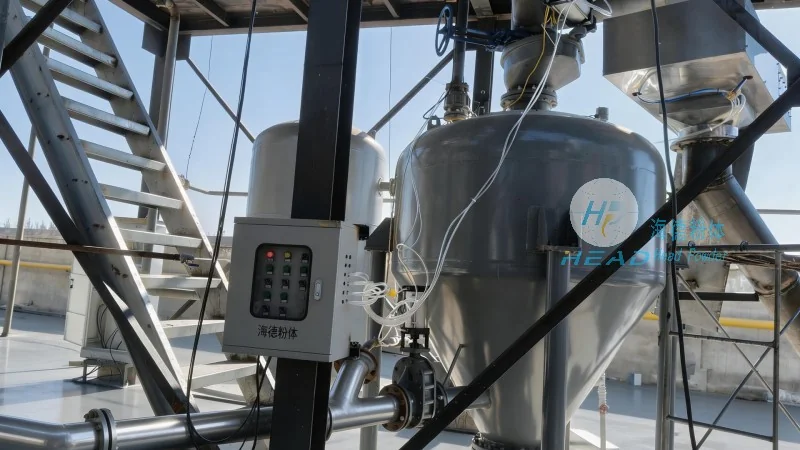
Key Components and Their Roles in the System
Rotary lobe blowers are composed of several key components that work together to achieve efficient powder conveying. The main components include the blower housing, which houses the rotors and provides a sealed environment; the lobed rotors, which are the primary moving parts that create the pressure differential; the inlet and outlet ports, which allow air and powder to enter and exit the system; and the drive mechanism, which powers the rotors. The blower housing is typically made of durable materials such as cast iron or stainless steel to withstand the pressures and temperatures generated during operation. The rotors are precision-engineered to ensure smooth rotation and minimal friction, which reduces energy consumption and extends the lifespan of the equipment. The inlet and outlet ports are designed to minimize pressure loss and ensure a consistent flow of air and powder. The drive mechanism, which can be electric, pneumatic, or hydraulic, provides the necessary torque to rotate the rotors at the required speed. In addition to these primary components, the system may include auxiliary components such as filters, silencers, and control valves to enhance performance and safety. Filters are used to remove contaminants from the air before it enters the blower, preventing damage to the rotors and extending the equipment's lifespan. Silencers are used to reduce noise levels, making the system more suitable for industrial environments. Control valves are used to regulate the flow of air and powder, allowing operators to adjust the system's performance as needed.
Applications and Benefits of Rotary Lobe Blower Powder Pneumatic Conveying
The use of rotary lobe blowers in powder pneumatic conveying offers several advantages over traditional methods such as belt conveyors or bucket elevators. One of the primary benefits is the ability to handle fine powders without causing degradation or contamination. This is particularly important in industries such as pharmaceuticals and food processing, where product quality and safety are paramount. The system also offers flexibility in terms of material handling, as it can transport powders over long distances and through complex layouts. Additionally, rotary lobe blowers are energy-efficient compared to other types of blowers, such as centrifugal blowers, due to their positive displacement design. This results in lower operating costs and reduced environmental impact. The system's compact design also makes it suitable for installation in confined spaces, which is often a challenge in industrial settings. Furthermore, the system's ability to handle abrasive and corrosive materials makes it a versatile solution for a wide range of applications. Overall, rotary lobe blowers and powder pneumatic conveying systems provide a reliable and efficient method for handling bulk powders, contributing to improved productivity and operational efficiency in various industries.
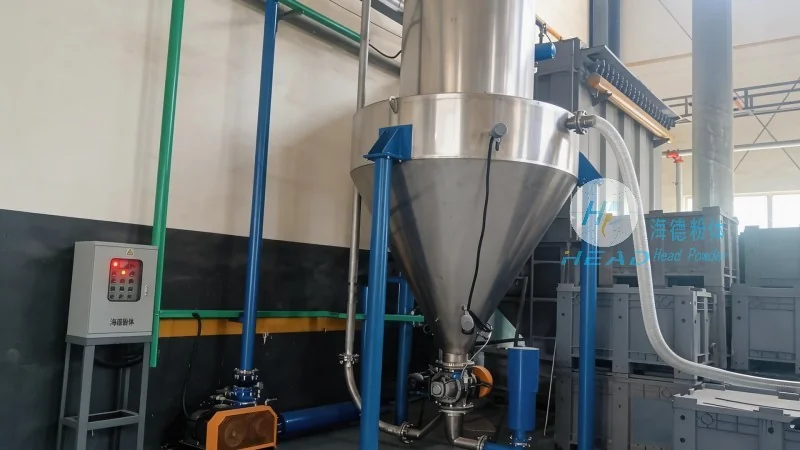
Conclusion and Company Information
Rotary lobe blowers and powder pneumatic conveying systems are essential technologies in the industrial sector, offering efficient and reliable methods for handling and transporting bulk powders. The design principles and components of these systems are carefully engineered to ensure optimal performance and durability. By understanding the fundamentals of this technology, industries can make informed decisions about their material handling needs and select the appropriate equipment for their applications. As a leading provider of engineering solutions, Shandong HeadPowder Engineering Co., Ltd. specializes in the design, manufacturing, and installation of rotary lobe blower powder pneumatic conveying systems. With a focus on quality and customer satisfaction, the company offers customized solutions tailored to the specific needs of its clients. HeadPowder's expertise in this field ensures that clients receive reliable and efficient equipment that meets their operational requirements. The company's commitment to innovation and technology enables it to provide cutting-edge solutions that enhance productivity and reduce costs. With its headquarters in Shandong, China, HeadPowder serves clients worldwide, providing comprehensive support and services to ensure the successful implementation and operation of its systems. Whether for new installations or upgrades, HeadPowder is the trusted partner for all powder handling needs.