

What is a Corn Husk Powder Pneumatic Conveying Equipment? And What Are Its Design Principles?
Understanding the role and design of corn husk powder pneumatic conveying equipment is crucial for industries dealing with agricultural byproducts. This equipment is specifically engineered to handle the unique characteristics of corn husk powder, ensuring efficient and reliable material transport. The following sections will explore the fundamental aspects of such equipment, including its design principles and operational benefits.
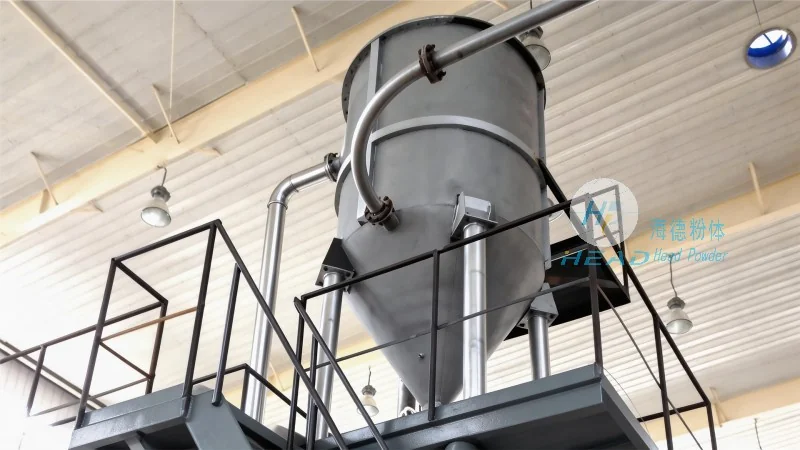
Introduction to Corn Husk Powder Pneumatic Conveying Equipment
Corn husk powder, a byproduct of corn processing, is widely used in various applications, including animal feed, biofuel, and industrial raw materials. However, the fine and lightweight nature of this powder poses challenges in traditional material handling methods. Pneumatic conveying equipment offers a solution by utilizing air to transport the powder, eliminating the need for mechanical components that might cause contamination or damage to the material. HeadPowder, a leading manufacturer based in Shandong, China, specializes in designing and manufacturing customized pneumatic conveying systems tailored to the specific needs of corn husk powder processing.
Key Design Principles of Pneumatic Conveying Systems
The design of a corn husk powder pneumatic conveying system is based on several critical principles to ensure optimal performance. First, the system must be capable of handling the high moisture content and abrasive properties of corn husk powder without clogging or wear. This is achieved through the use of specialized materials for the conveying lines and components, such as stainless steel or high-grade plastic, which resist corrosion and abrasion. Second, the system must maintain consistent air pressure and flow rates to prevent material segregation or degradation. This is managed through the integration of pressure regulators, air filters, and flow meters that ensure stable operation. Third, the system is designed to minimize dust emissions and environmental impact, which is essential for compliance with industrial regulations and sustainability goals. HeadPowder incorporates advanced filtration systems and dust collection mechanisms into their designs to achieve this.
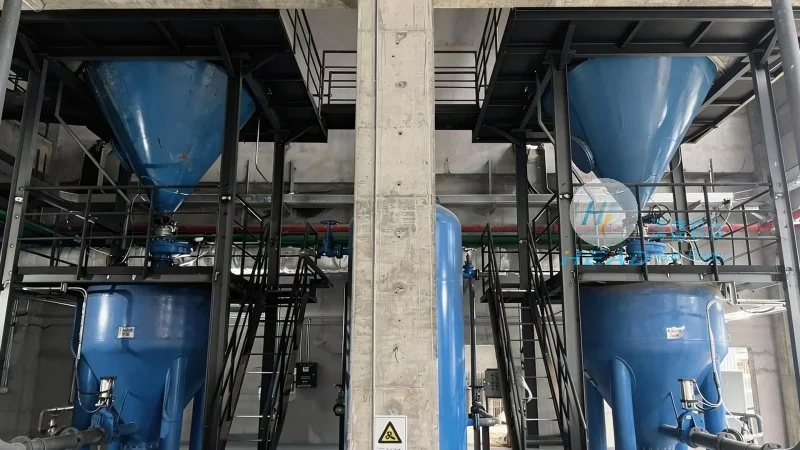
Components and Functionalities of the Equipment
A typical corn husk powder pneumatic conveying system consists of several key components that work in tandem to facilitate material transport. The primary components include a hopper for material storage, a blower or compressor to generate the air flow, a conveying line (often flexible or rigid) to transport the powder, and a receiver or discharge unit to deliver the material to its destination. The hopper is designed with a sloped bottom to prevent material bridging and ensure smooth flow into the conveying line. The blower or compressor provides the necessary pressure to move the powder through the system, with adjustable settings to accommodate varying material loads and distances. The conveying line is typically made of flexible hoses or rigid pipes, depending on the application, and is equipped with check valves to prevent backflow. The receiver unit is designed to collect the powder and prevent dust dispersion, often with a dust collection system integrated into the design. HeadPowder's engineers carefully select and configure each component to ensure the system operates efficiently and reliably, minimizing downtime and maintenance costs.
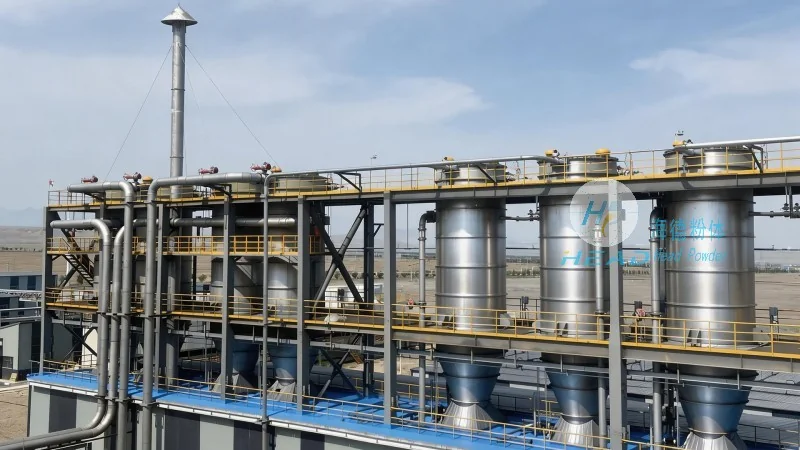
Advantages of Using Pneumatic Conveying for Corn Husk Powder
Compared to traditional mechanical conveying methods, pneumatic conveying offers several advantages when handling corn husk powder. First, it eliminates the need for moving parts that can cause contamination or damage to the material, ensuring the powder remains clean and free from foreign particles. Second, it provides a more hygienic and controlled environment, which is particularly important for applications in food and animal feed industries. Third, it offers greater flexibility in terms of layout and installation, as the conveying lines can be easily reconfigured to accommodate changes in production processes or facility layouts. Fourth, it reduces energy consumption and operational costs compared to mechanical systems, as the air flow can be adjusted to match the material load and distance. HeadPowder's systems are designed to maximize these advantages, providing customers with a cost-effective and efficient solution for their corn husk powder handling needs.
Customization and Application Considerations
HeadPowder understands that each corn husk powder processing facility has unique requirements, and therefore, they offer customized pneumatic conveying solutions tailored to specific applications. The company works closely with clients to assess their production volume, material characteristics, and operational constraints to design a system that meets their exact needs. For example, in the animal feed industry, the system may need to handle larger volumes of powder and maintain consistent moisture levels, while in the biofuel industry, it may need to transport the powder over longer distances with higher pressure. HeadPowder's engineers use advanced simulation tools to model the system and predict its performance under different conditions, ensuring the final design is optimized for efficiency and reliability. Additionally, the company provides comprehensive support, including installation, commissioning, and maintenance services, to ensure the system operates at peak performance throughout its lifespan.