

What is Dust-Free Material Pneumatic Conveying? And What Are Its Design Principles?
Dust-free material pneumatic conveying is a critical industrial process used to transport solid particles through a pipeline using a stream of air or other gas. This method is particularly important in industries where maintaining a clean environment is paramount, such as pharmaceuticals, food processing, electronics manufacturing, and high-purity chemical production. The goal of this technology is to move materials without generating dust, ensuring both operational efficiency and compliance with stringent hygiene standards.
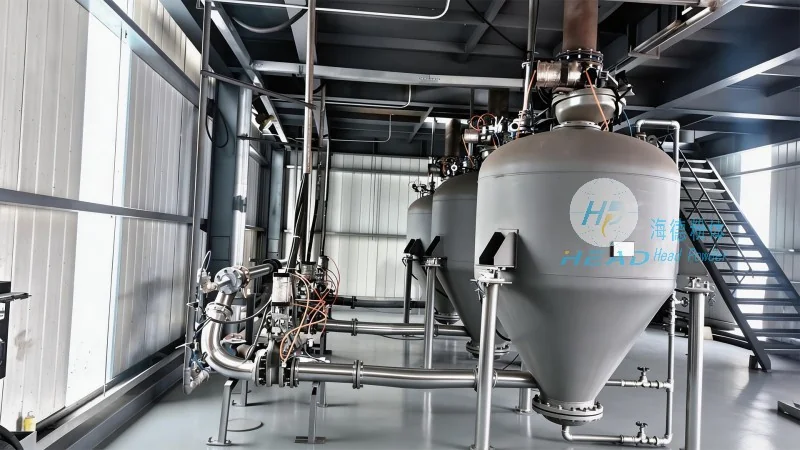
What is Dust-Free Material Pneumatic Conveying?
Dust-free material pneumatic conveying, also known as clean air conveying or dust-free pneumatic transport, refers to the process of transporting bulk solid materials through a sealed system using compressed air or other gases. Unlike traditional pneumatic conveying systems that may generate dust during material handling, this specialized approach employs sealed pipelines, efficient separation units, and controlled air flow to minimize or eliminate particle release into the environment. The system typically consists of a material feed hopper, a conveying line, a separation or collection unit, and a dust collection system. By maintaining a positive pressure or negative pressure within the system, the process ensures that the material remains contained and the surrounding air remains free of contaminants.
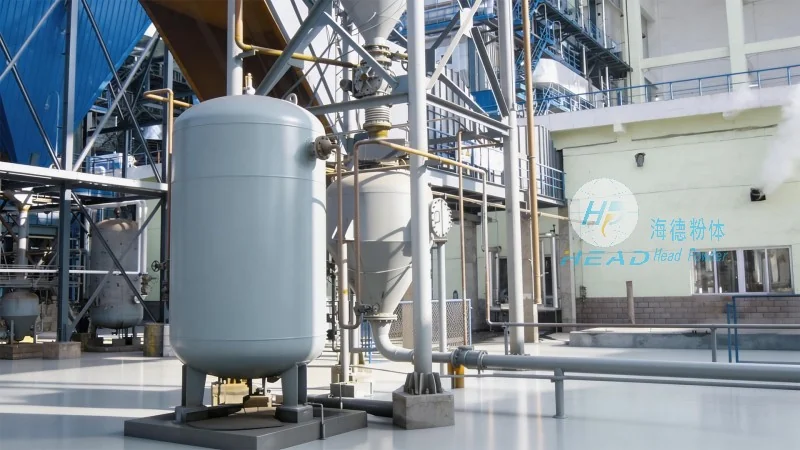
Key Design Principles of Dust-Free Material Pneumatic Conveying
The design of a dust-free material pneumatic conveying system involves several critical principles to achieve optimal performance and maintain a clean environment. First, the selection of appropriate air velocity is crucial. The air velocity must be high enough to lift and transport the material particles but low enough to prevent excessive wear on the system components and to avoid generating dust. Engineers typically calculate the minimum conveying velocity based on the particle size, density, and shape of the material being handled. Second, the system must incorporate effective sealing mechanisms. Seals at the material feed, discharge, and any joints in the pipeline are essential to prevent air leakage and dust escape. High-quality gaskets, flexible connectors, and pressure-balanced seals are commonly used to maintain the integrity of the system. Third, the design includes robust separation and filtration systems. As the material is conveyed, it is often separated from the air stream at the discharge point. This separation is achieved using cyclone separators, bag filters, or other filtration equipment that captures the particles while allowing clean air to be recirculated or vented safely. Fourth, the system may incorporate a closed-loop air system to minimize air consumption and reduce operational costs. By recycling a portion of the air from the system, the process reduces the need for continuous fresh air supply and lowers energy consumption. Finally, the entire system is constructed from materials that are compatible with the conveyed material and resistant to corrosion or wear. Stainless steel, aluminum, and specialized plastics are commonly used to ensure durability and maintain the purity of the conveyed material.
Application Scenarios and Benefits
Dust-free material pneumatic conveying is widely used across various industries due to its ability to handle sensitive materials while maintaining a clean environment. In the pharmaceutical industry, it is essential for transporting active pharmaceutical ingredients (APIs), excipients, and finished dosage forms without contamination. The system ensures that the materials remain sterile and free from particulate matter, which is critical for patient safety and regulatory compliance. In the food processing sector, it is used to convey ingredients like powders, spices, and vitamins in food production lines. The dust-free design prevents cross-contamination and maintains the quality of the food products. The electronics manufacturing industry also benefits from this technology when handling components like solder powders, resins, and other fine materials that require a cleanroom environment. The system helps prevent dust from damaging sensitive electronic parts and ensures that the production process meets industry standards. Additionally, in high-purity chemical manufacturing, dust-free conveying is used to transport chemicals and reagents that are sensitive to contamination. The benefits of this technology extend beyond environmental and safety considerations. It improves operational efficiency by reducing downtime caused by dust-related maintenance and cleaning. The sealed system minimizes material loss and waste, leading to cost savings. Furthermore, the ability to handle a wide range of materials, from fine powders to bulk solids, makes it a versatile solution for various industrial needs. The system also enhances worker safety by eliminating the need for manual handling of dusty materials, reducing the risk of respiratory issues and other health hazards.
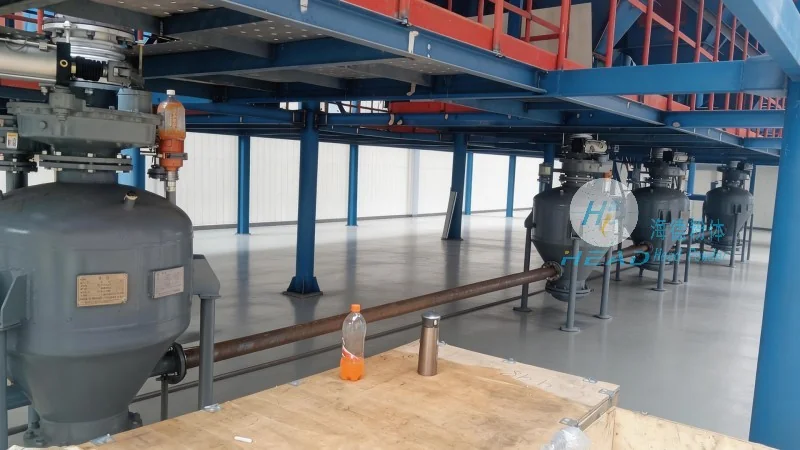
Company Profile: Shandong HeadPowder Engineering Co., Ltd.
Shandong HeadPowder Engineering Co., Ltd., commonly known as HeadPowder, is a leading provider of dust-free material pneumatic conveying solutions. The company specializes in designing, manufacturing, and installing customized conveying systems tailored to the specific needs of its clients. HeadPowder has extensive experience in the industry, having served a wide range of sectors including pharmaceuticals, food, electronics, and chemicals. The company's team of engineers and technicians is dedicated to developing innovative solutions that meet the highest standards of performance and reliability. HeadPowder's facilities are located in Shandong, China, where the company leverages advanced technology and rigorous quality control processes to ensure that each system is built to the highest specifications. The company focuses on providing comprehensive services, from initial consultation and system design to installation, commissioning, and ongoing maintenance. By partnering with HeadPowder, clients can benefit from expert guidance and tailored solutions that enhance their operational efficiency and maintain a clean, safe working environment. HeadPowder's commitment to quality and customer satisfaction has established it as a trusted name in the industry, with a reputation for delivering reliable and effective dust-free conveying systems that meet the demanding requirements of modern industrial applications.