

What is a Molybdenum Concentrate Powder Pneumatic Conveying System? And What Are Its Design Principl
Molybdenum concentrate powder, a critical raw material in the metallurgical industry, requires efficient and reliable transportation methods to ensure smooth production processes. The molybdenum concentrate powder pneumatic conveying system is a specialized solution designed to handle this fine powder with precision and minimal loss. This system utilizes air as the conveying medium to transport the powder from one location to another, offering advantages such as reduced contamination, improved safety, and enhanced operational efficiency. For industries relying on molybdenum, understanding the design principles behind these systems is essential for optimizing material handling and maintaining high production standards.
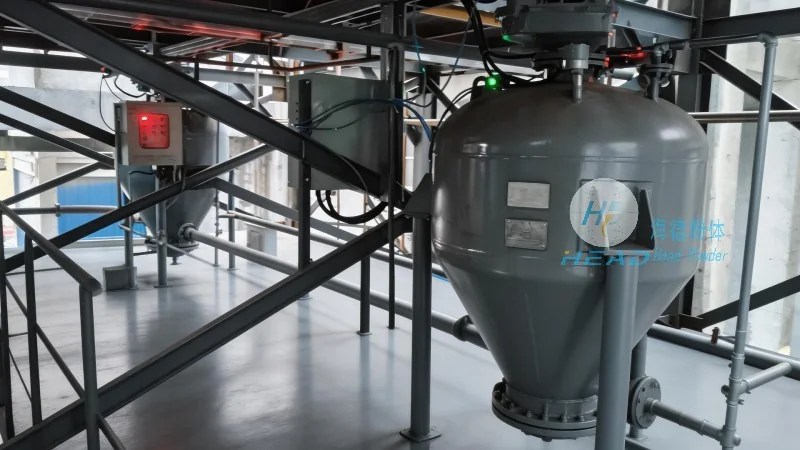
HeadPowder: A Leader in Molybdenum Processing Solutions
Shandong HeadPowder Engineering Co., Ltd., commonly known as HeadPowder, is a prominent company based in Shandong, China, specializing in engineering solutions for the molybdenum and related industries. With years of experience in the field, HeadPowder has developed expertise in designing and implementing advanced pneumatic conveying systems tailored to the unique characteristics of molybdenum concentrate powders. The company's commitment to quality and innovation has made it a trusted partner for businesses seeking reliable material handling solutions. HeadPowder's team of engineers and technicians work closely with clients to understand their specific needs, ensuring that the designed systems meet both functional and operational requirements.
The Core Design Principles of Pneumatic Conveying Systems for Molybdenum Concentrate Powder
The design of a molybdenum concentrate powder pneumatic conveying system is based on several key principles that ensure effective and safe material transport. The first principle is the selection of the appropriate conveying method, which can be either positive pressure or negative pressure. Positive pressure systems use a blower to force air and powder through the pipeline, while negative pressure systems use a vacuum to draw the material into the system. The choice between these methods depends on factors such as the distance of transport, the quantity of material, and the need for containment. For molybdenum concentrate powders, positive pressure systems are often preferred due to their ability to handle fine particles and prevent dust accumulation.
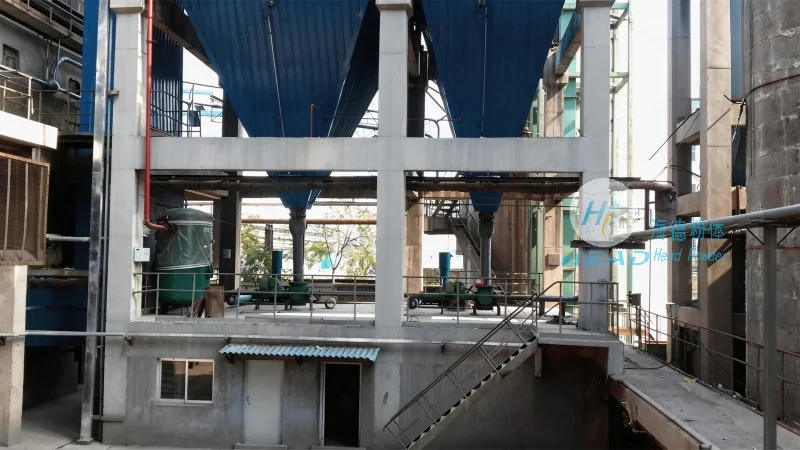
Another critical design principle is the selection of the right pipeline components. The material of the pipeline, such as stainless steel or plastic, must be resistant to corrosion and wear caused by the molybdenum concentrate powder. The diameter and length of the pipeline are also carefully calculated to maintain the required air velocity, which is essential for preventing particle deposition and ensuring smooth flow. HeadPowder engineers consider factors like the particle size distribution, moisture content, and bulk density of the molybdenum concentrate when determining the optimal pipeline dimensions and material.
Control systems play a vital role in the operation of pneumatic conveying systems. These systems typically include sensors to monitor pressure, flow rate, and temperature, as well as control valves to regulate the air supply and material flow. For molybdenum concentrate powders, precise control is necessary to avoid overloading the system and to prevent blockages. HeadPowder integrates advanced control technologies into its designs, ensuring that the system operates efficiently and safely. The control systems also allow for remote monitoring and adjustments, enhancing operational flexibility and reducing downtime.
Filtering and dust collection are essential components of any pneumatic conveying system for molybdenum concentrate powders. The fine particles can cause significant dust pollution if not properly contained. HeadPowder designs systems with high-efficiency filters and dust collectors that meet environmental regulations and maintain a clean working environment. The filters are typically made of materials that can withstand the abrasive nature of the molybdenum concentrate, ensuring long service life and minimal maintenance.
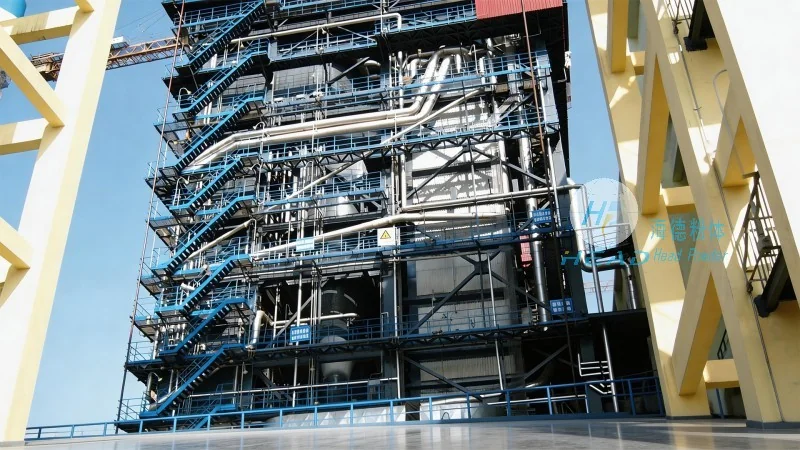
Energy efficiency is another important design consideration. The blower or vacuum pump used in the system consumes a significant amount of energy. HeadPowder incorporates energy-saving features such as variable frequency drives (VFDs) and optimized pipeline designs to reduce energy consumption. These measures not only lower operational costs but also contribute to sustainable industrial practices. By focusing on energy efficiency, HeadPowder ensures that its pneumatic conveying systems are both effective and environmentally friendly.
System integration is a key aspect of the design process. HeadPowder engineers consider how the pneumatic conveying system fits into the overall production line, ensuring seamless integration with other equipment such as storage silos, mixers, and processing units. The design includes provisions for easy maintenance and access to components, allowing for quick repairs and minimal disruption to production. This holistic approach to system design ensures that the molybdenum concentrate powder pneumatic conveying system operates as a cohesive part of the entire production process, maximizing efficiency and reliability.