

What is a Nitrogen Circulating Material Pneumatic Conveying Equipment? What are its Design Principle
HeadPowder, a leading manufacturer based in Shandong, China, specializes in advanced material handling solutions. One of their key offerings is the nitrogen circulating material pneumatic conveying equipment, a sophisticated system designed to efficiently transport bulk materials through a pressurized or vacuum environment using nitrogen gas as the conveying medium. This equipment is particularly valuable in industries where material purity, contamination control, and process reliability are critical, such as pharmaceuticals, food processing, and chemical manufacturing.
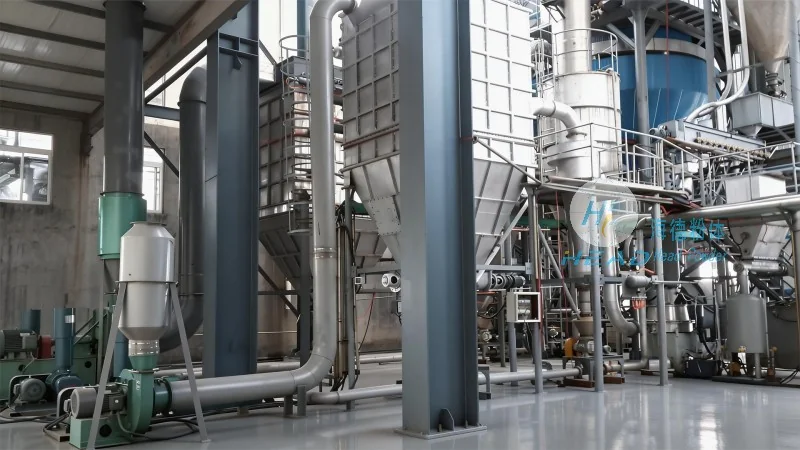
Understanding the Core Function of Nitrogen Circulating Systems
The primary purpose of a nitrogen circulating material pneumatic conveying system is to move dry or granular materials from one location to another while maintaining a controlled, inert atmosphere. Unlike traditional pneumatic conveying systems that may use ambient air, which can introduce moisture, oxygen, or contaminants, nitrogen gas provides a dry, oxygen-free environment. This is crucial for materials that are sensitive to moisture or oxidation, ensuring that the conveyed product remains in its original state without degradation. The system operates by creating a pressure differential or vacuum, which draws the material into the conveying line and propels it through the pipeline using nitrogen as the driving force.
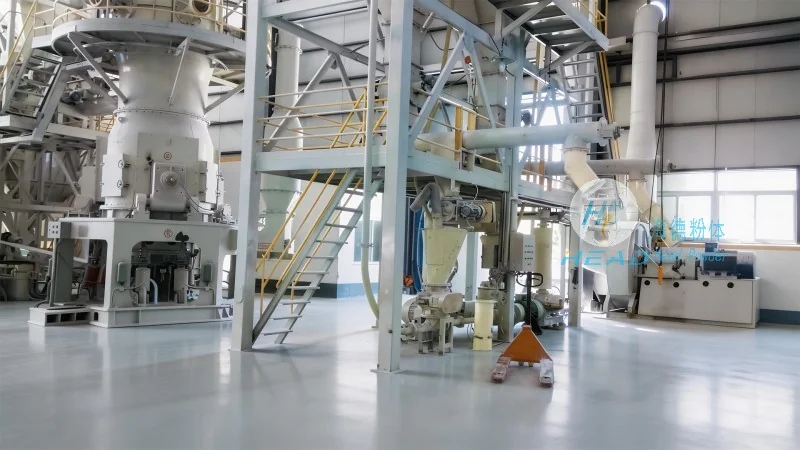
Key Design Principles of the Equipment
The design of a nitrogen circulating material pneumatic conveying equipment is built on several fundamental principles to ensure optimal performance and reliability. First, the system must maintain a consistent nitrogen pressure and flow rate to achieve efficient material transport. This involves precise control of the nitrogen compressor and the conveying line's pressure, which is critical for preventing material blockages or excessive energy consumption. Second, the equipment incorporates features to minimize particle degradation and wear on components. For instance, the use of smooth, corrosion-resistant pipelines and specialized valves reduces friction and abrasion, extending the equipment's lifespan and maintaining material integrity. Third, the design prioritizes safety and operational efficiency. This includes built-in monitoring systems for pressure, flow, and temperature, as well as automatic shut-off mechanisms to prevent over-pressurization or system failures. Additionally, the system is engineered for easy maintenance, with accessible components and modular design that allow for quick repairs and component replacement.
Components and Operational Mechanism
A typical nitrogen circulating material pneumatic conveying system consists of several key components, each playing a vital role in the overall operation. The main parts include a nitrogen compressor, which supplies the pressurized nitrogen gas; a material feeder, such as a rotary valve or a screw feeder, that introduces the material into the conveying line; a conveying pipeline, which transports the material from the source to the destination; and a receiver or discharge unit, where the material is collected. The operational mechanism begins when the material is fed into the system. The rotary valve or screw feeder ensures a steady flow of material into the pipeline. Simultaneously, the nitrogen compressor pressurizes the nitrogen gas, which is then introduced into the conveying line. The pressure differential between the inlet and outlet of the material creates a flow, carrying the material through the pipeline. The system may use either positive pressure (where the conveying line is pressurized) or negative pressure (where a vacuum is created at the receiver end), depending on the application and material characteristics. The nitrogen gas not only transports the material but also acts as a cushion, reducing particle impact and preventing clogging.
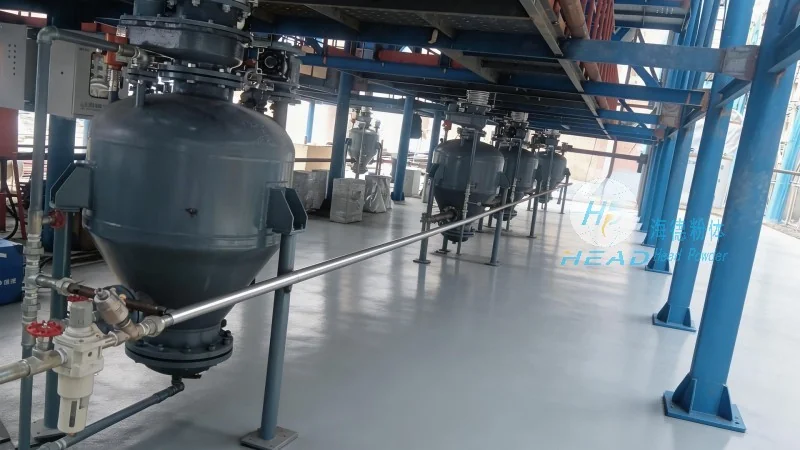
Advantages and Applications
HeadPowder's nitrogen circulating material pneumatic conveying equipment offers several advantages that make it a preferred choice in various industries. One of the most significant benefits is the ability to maintain a controlled, inert environment, which is essential for sensitive materials. This ensures that the product remains free from moisture, oxygen, or contaminants, preserving its quality and extending its shelf life. Another advantage is the system's high efficiency and low energy consumption. By using nitrogen as the conveying medium, the equipment minimizes energy waste compared to traditional systems that rely on high-pressure air. Additionally, the equipment is highly flexible, capable of transporting materials over long distances and through complex layouts, including vertical lifts and horizontal runs. The system is also suitable for a wide range of materials, including powders, granules, and fine particles, making it versatile for different industrial applications.