

What is a Limestone Material Pneumatic Conveying Equipment? What are the Design Principles?
For industrial applications involving the handling of limestone and similar bulk materials, the selection of an appropriate pneumatic conveying system is crucial. This equipment, often referred to as a limestone material pneumatic conveying system, plays a vital role in transporting these materials efficiently and safely. Understanding the core components and design principles behind such systems is essential for optimizing performance and ensuring operational reliability.
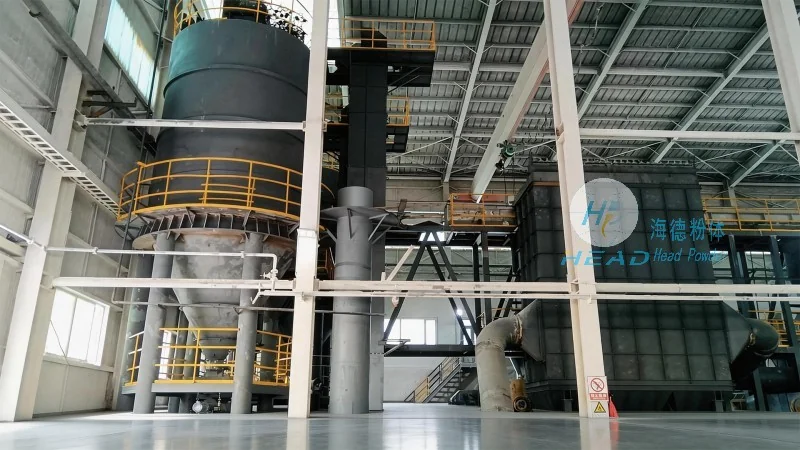
Introduction to Limestone Material Pneumatic Conveying Equipment
Limestone, a widely used raw material in various industries including construction, cement production, and chemical processing, requires specialized handling solutions to maintain its quality and prevent degradation during transport. Pneumatic conveying equipment offers a solution by utilizing air or gas to move the material through a pipeline system. This method eliminates the need for mechanical components like belts or buckets, reducing maintenance requirements and minimizing the risk of material contamination. The system typically consists of a material hopper, a feeder, a conveying line, and a receiver, all working in tandem to achieve seamless material transfer.
Key Components of the Limestone Pneumatic Conveying System
The effectiveness of a limestone material pneumatic conveying system depends on several critical components. The material hopper is designed to store the limestone and provide a consistent feed to the feeder. It often includes a level indicator to monitor the material volume and a discharge valve to control the flow rate. The feeder, which can be a rotary valve or a screw feeder, ensures a steady and controlled discharge of the material into the conveying line. This component is crucial for maintaining the air-to-material ratio, which directly impacts the conveying efficiency. The conveying line, usually made of stainless steel or other corrosion-resistant materials, is designed to withstand the abrasive nature of limestone particles. It may include bends, expansions, or filters to manage the flow and prevent blockages. The receiver, located at the end of the line, collects the conveyed material and may include a discharge valve for further processing.
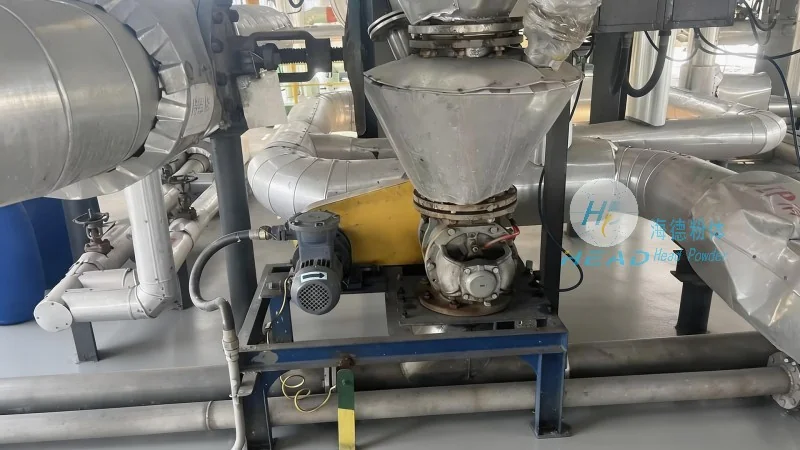
Design Principles for Optimal Performance
The design of a limestone material pneumatic conveying system follows specific principles to ensure efficient operation. One of the primary principles is maintaining the correct air-to-material ratio. This ratio determines the velocity of the material in the pipeline and affects the system's capacity and pressure drop. An optimal ratio ensures that the material is fully suspended and conveyed without settling or clogging the line. Another key principle is the selection of appropriate equipment materials. Since limestone can be abrasive, components such as hoppers, feeders, and pipelines are often made from stainless steel or high-grade alloys to withstand wear and corrosion. The system's design also considers the material's characteristics, including particle size, density, and moisture content, as these factors influence the conveying velocity and system pressure. For example, finer limestone particles may require higher air velocities to achieve effective suspension, while larger particles might need a higher air-to-material ratio to prevent blockages.
Operational Considerations and Maintenance
Proper operation and maintenance are essential for the longevity and efficiency of a limestone material pneumatic conveying system. Regular inspection of the hopper and feeder for material buildup or blockages is necessary to prevent system downtime. The air compressor or blower used to generate the conveying air must be sized appropriately to provide sufficient pressure and flow rate. Filters and separators are installed in the system to remove any entrained dust or particles from the air, preventing contamination of the conveyed material and protecting downstream equipment. Additionally, the system's control system, which may include sensors for pressure, flow, and level, ensures that the operation is monitored and adjusted as needed. Routine maintenance, such as cleaning filters, checking for leaks, and lubricating moving parts, helps to maintain the system's performance and extend its operational life.
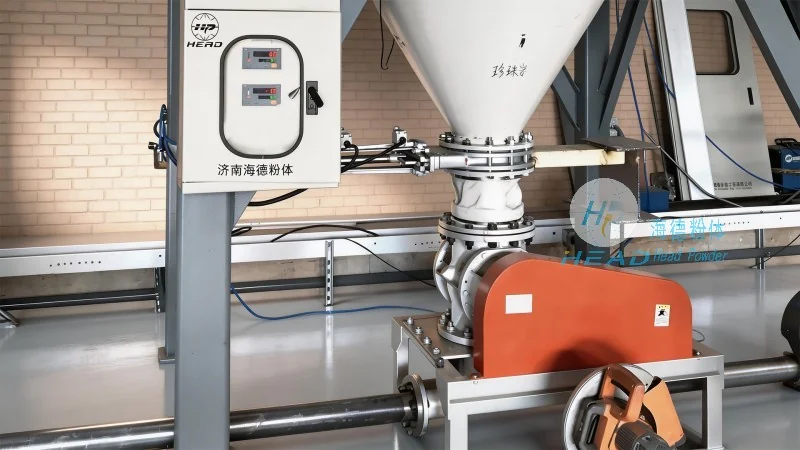
Applications and Benefits in Industrial Settings
Limestone material pneumatic conveying systems are widely used in various industrial applications due to their versatility and efficiency. In cement plants, these systems are used to transport limestone from storage silos to the grinding mills, ensuring a continuous supply of raw material. In chemical processing facilities, they are employed to move limestone for the production of calcium compounds, such as calcium carbonate. The benefits of using pneumatic conveying for limestone include reduced labor costs, improved safety by eliminating manual handling, and increased operational efficiency. Compared to traditional mechanical conveying methods, pneumatic systems can handle a wider range of material sizes and types, making them suitable for diverse industrial needs. The ability to transport materials over long distances without the need for intermediate storage or handling points also enhances the overall productivity of the process.
Conclusion
In summary, a limestone material pneumatic conveying equipment is a sophisticated system designed to efficiently transport limestone and similar bulk materials using air or gas. The design principles, including proper air-to-material ratio, material-compatible components, and effective filtration, are critical for ensuring optimal performance and reliability. By understanding these principles and implementing proper operational and maintenance practices, industrial facilities can leverage the benefits of pneumatic conveying to enhance their material handling processes. The expertise of companies like Shandong HeadPowder Engineering Co., Ltd., with their focus on engineering and manufacturing such systems, plays a vital role in supporting the needs of industries that rely on limestone as a key raw material.