

What is a Stone Material Pneumatic Conveying System? And What Are Its Design Principles?
Understanding the fundamentals of stone material pneumatic conveying systems is crucial for industries that handle bulk materials like aggregates, sand, and gravel. These systems offer an efficient and flexible method for transporting dry or semi-dry materials over short to medium distances, often replacing traditional mechanical conveyors in applications where space is limited or where the material is prone to dust or contamination. The core function of such a system is to use compressed air or other gases to move particles through a pipeline, making it ideal for applications in construction, mining, and manufacturing.
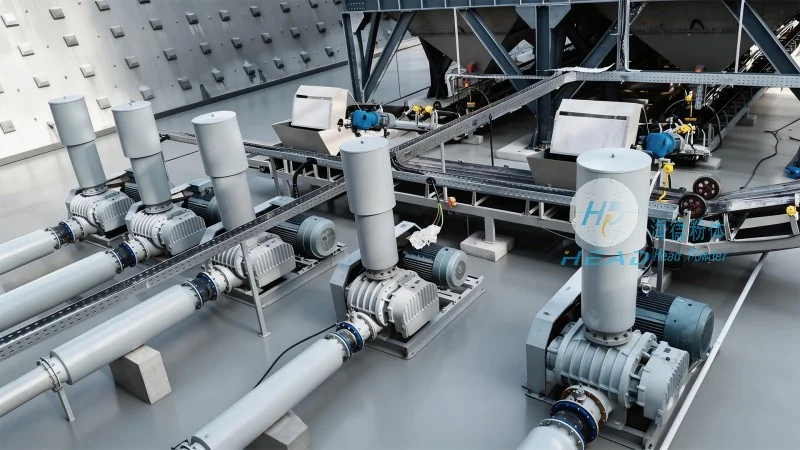
What is a Stone Material Pneumatic Conveying System?
A stone material pneumatic conveying system is a type of bulk material handling equipment that utilizes air or gas to transport dry or semi-dry particulate materials, such as crushed stone, sand, or gravel, from one location to another. Unlike traditional mechanical conveyors that rely on belts, buckets, or screws, pneumatic systems use pressure differentials to move materials through a sealed pipeline. This method is particularly advantageous for materials that are dusty, abrasive, or have a tendency to clog traditional conveyor systems. The system typically consists of a hopper for material storage, a blower or compressor to generate the air flow, a pipeline network to transport the material, and a receiver or discharge point where the material is collected.
Key Components of a Stone Material Pneumatic Conveying System
The effectiveness of a stone material pneumatic conveying system depends on several critical components that work in tandem to ensure efficient material transport. The primary components include the material hopper, which serves as the storage and feeding unit, allowing for a continuous or batch feed of the stone material. The hopper is equipped with a feeder, often a rotary valve or a star valve, which controls the flow rate of the material into the pipeline. The blower or compressor is the heart of the system, providing the necessary air pressure to move the material through the pipeline. The pipeline itself is usually made of stainless steel or other corrosion-resistant materials to withstand the abrasive nature of stone particles and to prevent dust leakage. Additionally, the system may include filters and cyclones to separate the material from the air, ensuring that the air is clean and the material is free from contamination. The discharge point, such as a receiver bin or a silo, collects the material at the end of the pipeline, completing the transport process.
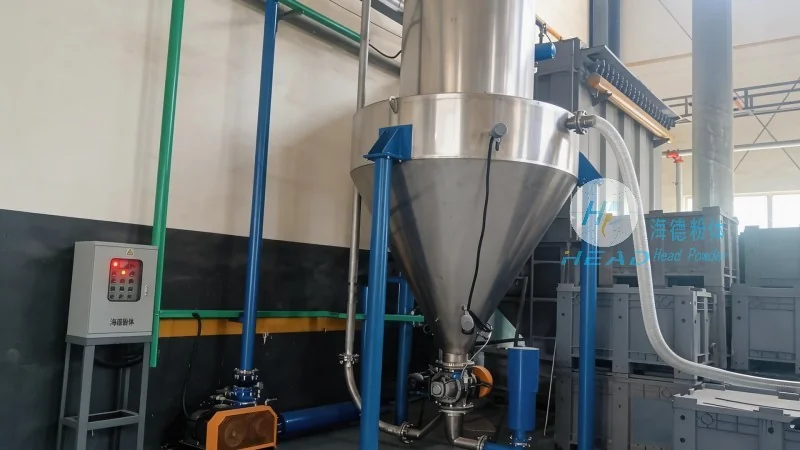
Design Principles of Stone Material Pneumatic Conveying Systems
The design of a stone material pneumatic conveying system is governed by several key principles that ensure optimal performance, efficiency, and reliability. The first principle is the selection of the appropriate air velocity, which is critical for preventing material settling or clogging in the pipeline. The air velocity must be high enough to keep the particles suspended but low enough to avoid excessive wear on the pipeline and equipment. The second principle is the consideration of the material's properties, such as particle size, density, and moisture content, as these factors directly impact the system's design. For example, larger or heavier particles may require higher air velocities or larger pipeline diameters to ensure smooth transport. The third principle is the system's pressure requirements, which are determined by the distance and elevation changes between the feeding and discharge points. The design must account for the pressure drop along the pipeline due to friction and changes in elevation, ensuring that the blower or compressor can maintain the necessary pressure to complete the transport. Additionally, the system's layout and configuration are designed to minimize pressure losses and energy consumption, making it an efficient solution for material handling.
Applications and Benefits of Stone Material Pneumatic Conveying Systems
Stone material pneumatic conveying systems are widely used in various industries due to their versatility and efficiency. In the construction industry, they are commonly used to transport aggregates, sand, and gravel from storage silos to mixing plants or construction sites. In mining operations, they help move crushed rock and ore from processing plants to storage areas or for further processing. The manufacturing sector also benefits from these systems when handling raw materials like sand or gravel for concrete production or other industrial processes. The primary benefits of pneumatic conveying systems include their ability to handle abrasive and dusty materials without causing wear or contamination, their flexibility in terms of layout and distance, and their relatively low maintenance requirements compared to traditional mechanical conveyors. Additionally, these systems can be designed to be fully enclosed, reducing dust emissions and improving workplace safety. The energy efficiency of modern pneumatic systems, combined with their ability to handle high volumes of material, makes them a cost-effective solution for bulk material transport.
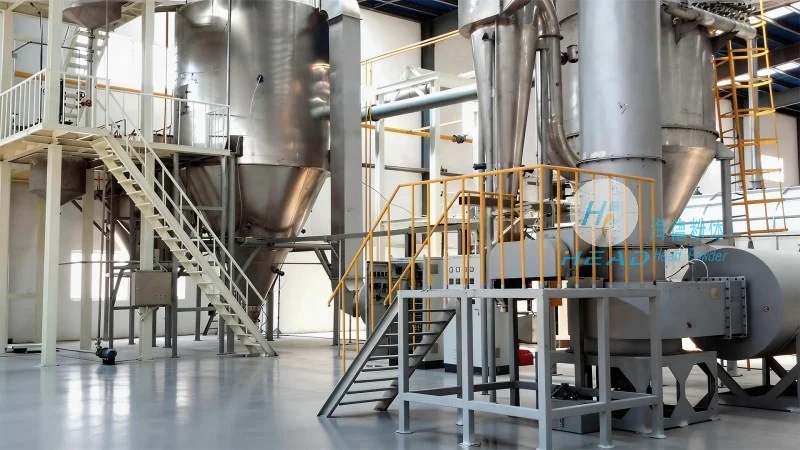
Customization and Integration with Other Systems
Shandong HeadPowder Engineering Co., Ltd., a leading manufacturer of material handling equipment, specializes in designing and manufacturing customized stone material pneumatic conveying systems tailored to the specific needs of their clients. The company, known in the industry as headpowder, offers a range of solutions that integrate seamlessly with existing production lines or can be standalone systems. Their expertise lies in understanding the unique challenges of each application, such as the type of stone material, the distance to be covered, and the environmental requirements, and then designing a system that meets all these criteria. The customization process involves detailed engineering, including the selection of the appropriate blower or compressor, the determination of the optimal pipeline diameter and length, and the integration of necessary components like filters and cyclones. The company's team of engineers works closely with clients to ensure that the final system is not only efficient but also reliable and easy to maintain. By leveraging their experience and advanced technology, headpowder provides solutions that enhance productivity and reduce operational costs for their clients.
Conclusion
In conclusion, a stone material pneumatic conveying system is a sophisticated and efficient method for transporting bulk materials like stone aggregates. Its design principles, which focus on air velocity, material properties, and pressure requirements, ensure that the system operates smoothly and reliably. The benefits of these systems, including their ability to handle abrasive materials, their flexibility, and their low maintenance, make them a preferred choice in various industries. With companies like Shandong HeadPowder Engineering Co., Ltd. offering customized solutions, businesses can find the perfect pneumatic conveying system to meet their specific material handling needs, improving their operations and reducing costs.