

What is a Potassium Chloride Material Pneumatic Conveying Machine? And What Are Its Design Principle
When it comes to efficiently handling and transporting bulk materials like potassium chloride, the choice of equipment can significantly impact operational efficiency and cost-effectiveness. One such specialized solution is the potassium chloride material pneumatic conveying machine, a device engineered to move granular or powdered substances through a pipeline using air or gas as the conveying medium. This article aims to explore what this equipment entails and the underlying design principles that make it effective for handling potassium chloride.
Understanding the Potassium Chloride Material Pneumatic Conveying Machine
The potassium chloride material pneumatic conveying machine is a type of pneumatic conveyor system specifically designed for the transport of potassium chloride, a common mineral used in agriculture, food processing, and various industrial applications. Unlike traditional mechanical conveyors that rely on belts, buckets, or screws, pneumatic conveyors utilize air pressure to move material through a sealed pipeline. This method offers several advantages, including the ability to handle abrasive or corrosive materials like potassium chloride without causing wear or degradation.
Key Components and Functionality
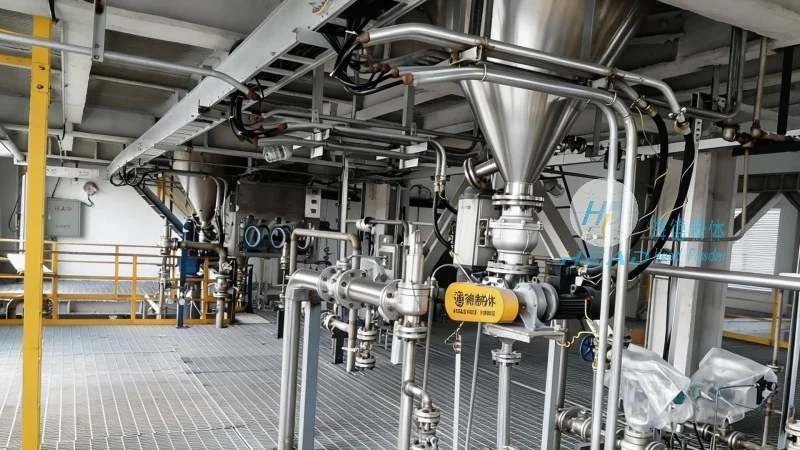
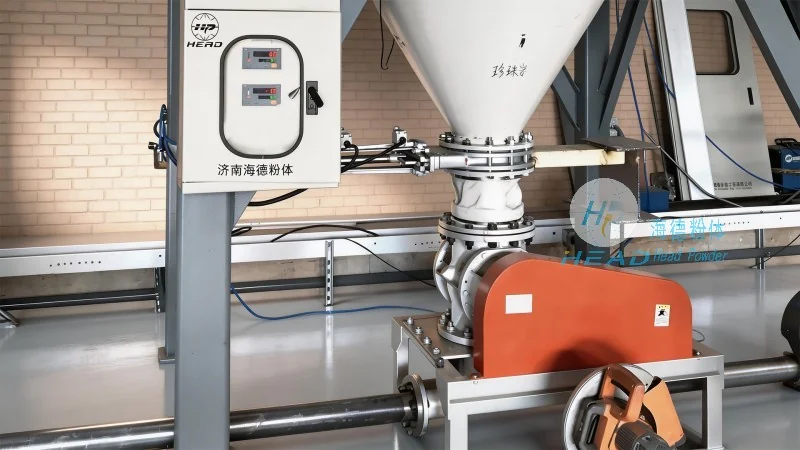
At the core of a potassium chloride material pneumatic conveying machine are several key components that work in tandem to ensure smooth material transport. The primary components include a hopper or feeder to store and meter the potassium chloride, a conveying line (typically made of stainless steel or other corrosion-resistant materials to withstand the chemical properties of potassium chloride), a blower or compressor to generate the necessary air pressure, and a receiver or discharge unit to collect the material at the destination. The feeder may use a rotary valve or screw feeder to control the flow rate of the material, ensuring consistent and controlled delivery into the conveying line.
Design Principles for Efficient Operation
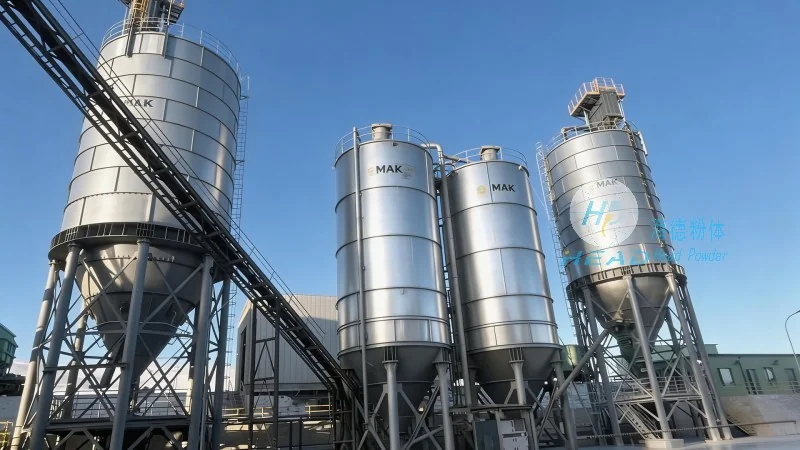
The design of a potassium chloride material pneumatic conveying machine is guided by several critical principles aimed at optimizing performance, reliability, and material integrity. One of the fundamental principles is the selection of appropriate air velocity and pressure. The air velocity must be high enough to overcome the gravitational forces and friction within the pipeline, ensuring that the potassium chloride particles remain suspended and move efficiently. Typically, air velocities range from 20 to 30 meters per second for fine powders like potassium chloride, depending on particle size and density. The pressure used is often between 0.5 to 1.5 bar, which provides sufficient force to move the material through the system without excessive energy consumption.
Material Handling Considerations
Handling potassium chloride requires special considerations due to its physical and chemical properties. Potassium chloride is a hygroscopic material, meaning it can absorb moisture from the air, which may affect its flow characteristics and cause caking or blockages in the conveying system. Therefore, the design of the pneumatic conveying machine often incorporates features such as drying or moisture control mechanisms to maintain the material's quality. Additionally, the equipment is constructed from materials resistant to corrosion, such as stainless steel, to prevent degradation from the chloride ions present in potassium chloride. The pipeline and components are also designed to minimize friction and wear, as potassium chloride can be abrasive, ensuring a longer service life and reduced maintenance costs.
Advantages of Using a Pneumatic Conveying System for Potassium Chloride
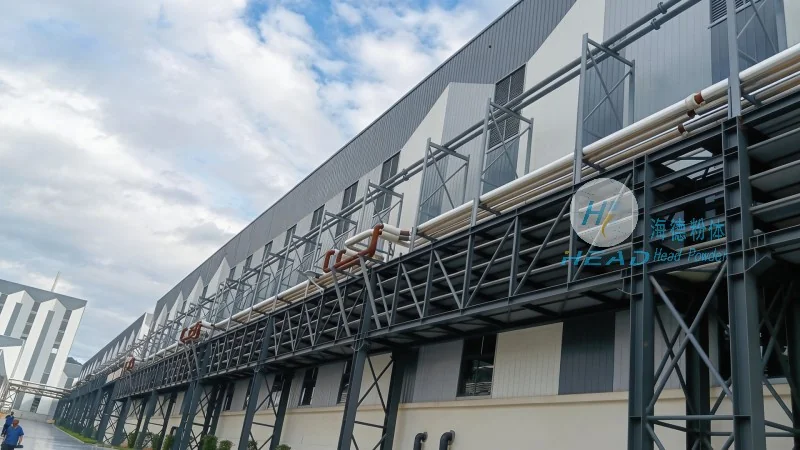
Employing a potassium chloride material pneumatic conveying machine offers numerous benefits over traditional conveying methods. One of the most significant advantages is the ability to transport material over long distances without the need for intermediate transfer points or storage silos. This reduces the risk of material contamination and loss, as the material remains sealed within the pipeline. Additionally, pneumatic conveyors can handle varying material flow rates and can be easily integrated with other processing equipment, such as mixers or reactors, to form a continuous production line. The system also minimizes labor costs and operational space, as it eliminates the need for large storage bins or manual handling of bulk material.
Application Examples in Industry
Potassium chloride material pneumatic conveying machines are widely used in various industrial applications where the efficient transport of bulk materials is critical. In the agricultural sector, these machines are used to move potassium chloride fertilizer from storage facilities to processing plants or directly to farms. In the food industry, they are employed to transport potassium chloride used as a food additive or in the production of various food products. Additionally, in chemical manufacturing, the equipment is used to convey potassium chloride as a raw material for the production of other chemical compounds. The versatility of the pneumatic conveying system makes it suitable for a wide range of applications, from small-scale operations to large industrial plants.
Maintenance and Operational Tips
To ensure the longevity and optimal performance of a potassium chloride material pneumatic conveying machine, regular maintenance is essential. This includes checking the blower or compressor for proper air pressure and flow, inspecting the conveying line for any blockages or wear, and cleaning the hopper and feeder to prevent material buildup. It is also important to monitor the material flow rate and adjust the air velocity or pressure as needed to maintain efficient transport. Proper maintenance not only extends the life of the equipment but also ensures consistent material quality and reduces downtime, which is crucial for maintaining production efficiency.
Conclusion
In conclusion, the potassium chloride material pneumatic conveying machine is a sophisticated and efficient solution for handling and transporting bulk potassium chloride. By leveraging the principles of pneumatic transport, this equipment offers advantages such as minimal material degradation, reduced labor costs, and the ability to handle long-distance transport. The design considerations, including material selection, air velocity control, and corrosion resistance, are critical to ensuring the system operates reliably and effectively. For industries relying on potassium chloride, investing in a well-designed pneumatic conveying machine can lead to improved operational efficiency and cost savings over time.