

What is a Textile Fiber Material Pneumatic Conveying Machine? And What Are Its Design Principles?
Textile fiber material pneumatic conveying machines are specialized equipment designed to transport loose or bulk materials, particularly those used in the textile industry. These machines utilize air pressure or vacuum to move fibers, powders, or other fine materials from one location to another, offering an efficient and often dust-free alternative to traditional mechanical conveying methods. The primary application of such equipment lies in the textile manufacturing process, where it facilitates the handling of raw materials like cotton, polyester, or other synthetic fibers, as well as intermediate products and waste materials. By leveraging pneumatic technology, these systems enhance operational efficiency, reduce labor costs, and improve workplace safety by minimizing direct contact with dust and particles.
The Design Principles of Pneumatic Conveying Systems for Textile Fibers
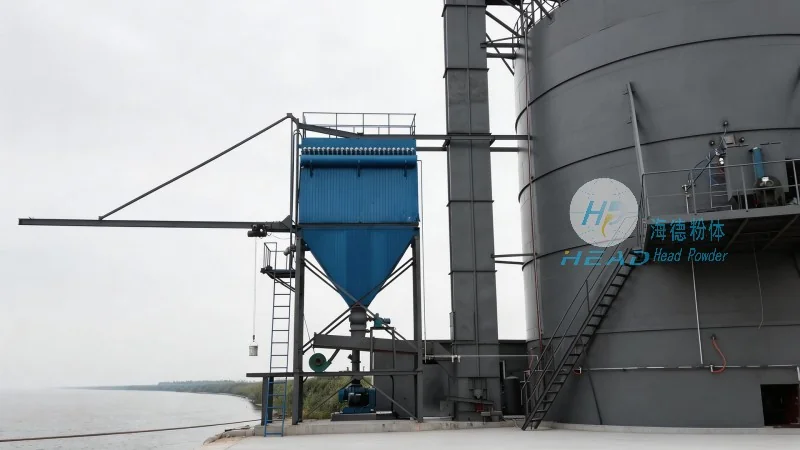
The design of a textile fiber material pneumatic conveying machine is based on fundamental principles of fluid dynamics and material handling. At its core, the system operates by creating a pressure differential—either by blowing air (positive pressure) or by creating a vacuum (negative pressure)—to propel the material through a pipeline. The key components of such a system typically include a hopper or feeder for material storage, a blower or vacuum pump to generate the air flow, a pipeline network to transport the material, and a receiver or discharge unit to deposit the material at the destination. The choice between positive and negative pressure systems depends on factors like the material's properties, the distance to be conveyed, and the desired level of control over the material flow. For textile fibers, which are often light and prone to static, the design must also consider measures to prevent material buildup, reduce friction, and maintain consistent air flow to avoid clogging or uneven distribution.
About Shandong HeadPowder Engineering Co., Ltd.
Shandong HeadPowder Engineering Co., Ltd., commonly known as HeadPowder, is a leading manufacturer specializing in the design, development, and production of pneumatic conveying equipment. With a strong presence in China, particularly in Shandong province, the company has established itself as a trusted provider of high-quality solutions for material handling in various industries, including textiles. HeadPowder's expertise lies in tailoring pneumatic conveying systems to meet the specific needs of clients, ensuring that their equipment is not only efficient but also reliable and durable. The company adheres to strict quality control standards and offers comprehensive after-sales support, making it a preferred choice for businesses seeking to optimize their material handling processes.
Key Design Elements and Considerations
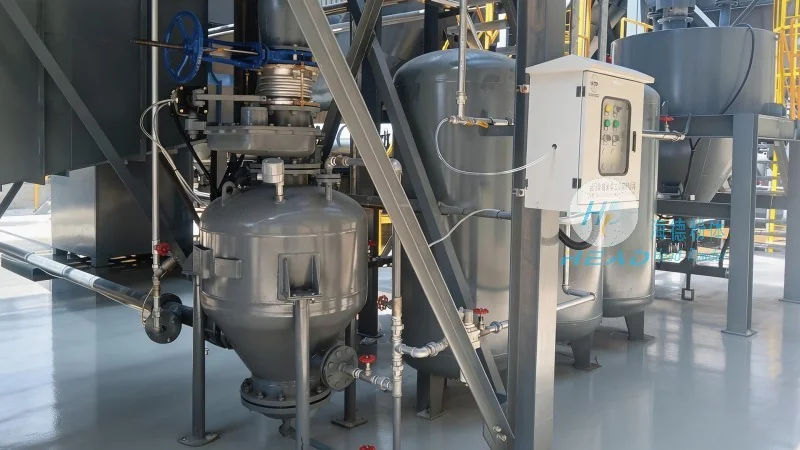
When designing a pneumatic conveying machine for textile fibers, several critical elements must be carefully considered to ensure optimal performance. First, the material's characteristics, such as its density, moisture content, and tendency to generate static, play a significant role in determining the system's configuration. For example, fibers that are highly static-prone may require anti-static measures, such as grounding or ionization, to prevent material buildup and ensure smooth flow. Second, the pipeline design is crucial; the diameter, length, and bends of the pipeline affect the air velocity and pressure required to move the material. Properly sized pipelines minimize energy consumption and prevent pressure losses, which can lead to reduced conveying efficiency. Third, the selection of the blower or vacuum pump is vital, as it must generate sufficient air volume and pressure to overcome the resistance of the material and the pipeline. Modern systems often use variable-speed blowers to adjust the air flow dynamically, allowing for better control over the material's movement and reducing energy waste. Additionally, the inclusion of features like filters, cyclones, or separators is essential to maintain air quality and prevent material contamination, which is particularly important in the textile industry where purity is paramount.
Location and Service Scope
HeadPowder Engineering Co., Ltd. is headquartered in Shandong, China, a region known for its robust manufacturing industry and access to key raw materials. The company's location allows it to leverage local resources and expertise, enabling efficient production and timely delivery of its products. While HeadPowder primarily serves domestic clients in China, its equipment is also exported to various international markets, where it has gained recognition for its reliability and performance. The company's commitment to customer satisfaction is reflected in its comprehensive service offerings, which include installation, commissioning, and maintenance support. By providing on-site technical assistance and training, HeadPowder ensures that clients can operate their pneumatic conveying systems effectively and maximize their return on investment.