

Working Principle and Characteristics of Phosphate Powder Pneumatic Conveying
Phosphate fertilizer powder is a critical raw material in the agricultural industry, and its efficient transportation is essential for ensuring smooth production and supply chains. Pneumatic conveying systems have emerged as a preferred method for handling such powders due to their versatility and effectiveness. This article explores the working principle and key characteristics of phosphate powder pneumatic conveying, highlighting the technology's advantages and practical applications.
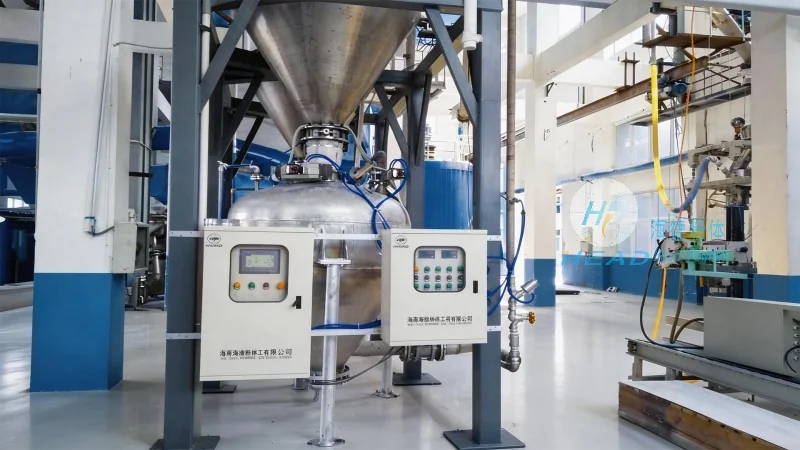
Introduction to Phosphate Powder Pneumatic Conveying
Phosphate fertilizer, derived from phosphate rock, is a vital nutrient source for crops. The powder form of this fertilizer requires specialized handling to prevent dust, caking, and loss during transport. Pneumatic conveying offers a solution by using air to move the powder through a system of pipes and equipment. This method is particularly suitable for phosphate powders, which can be abrasive and have specific flow characteristics that traditional mechanical conveyors may struggle to manage.
Working Principle of Phosphate Powder Pneumatic Conveying
The core of a phosphate powder pneumatic conveying system is the generation of air flow to transport the material. The process typically involves several key components: a material feed hopper, an air supply system (usually a blower or compressor), a conveying line, and a discharge point. The working principle can be broken down into the following steps:
1. Material Feeding: The phosphate powder is fed into the system from a hopper or silo. The feed mechanism ensures a consistent flow of material into the conveying line, preventing blockages and maintaining system efficiency.
2. Air Supply: A blower or compressor provides the necessary air pressure and volume to create a flow within the conveying line. The air is introduced at a specific pressure, which is critical for maintaining the powder's suspension and preventing particle separation.
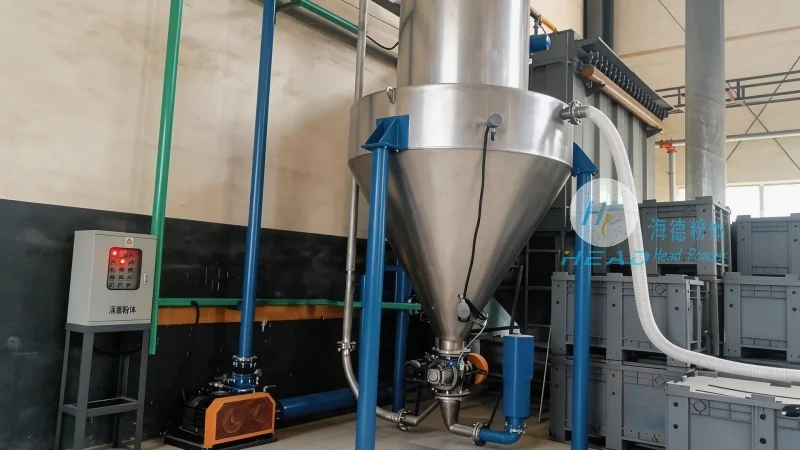
3. Conveying: As the air flows through the pipe, it carries the phosphate powder particles along. The system's design, including pipe diameter, length, and bends, is optimized to minimize pressure drop and ensure smooth transport. The air-powder mixture travels from the feed point to the discharge point, where the material is separated from the air.
4. Separation and Discharge: At the discharge end, the air and powder are separated using a cyclone or other separation equipment. The phosphate powder is collected in a receiving bin or silo, while the air is either filtered and recirculated or vented to the atmosphere. This separation step is crucial for maintaining product purity and preventing dust emissions.
Key Characteristics of Phosphate Powder Pneumatic Conveying
Phosphate powder pneumatic conveying systems exhibit several notable characteristics that make them advantageous for handling this type of material:
1. Low Dust Generation: Unlike mechanical conveyors, pneumatic systems minimize dust exposure by keeping the material enclosed within the pipe. This reduces health hazards for operators and prevents contamination of the product.
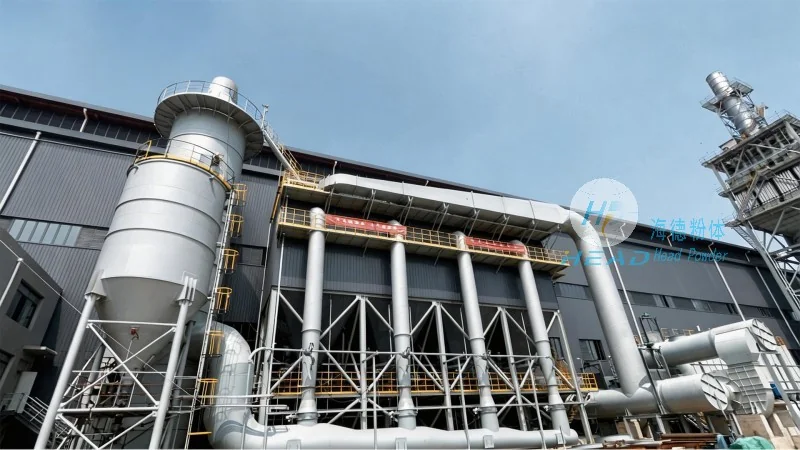
2. Flexibility in Layout: The system can be designed to follow complex layouts, including vertical and horizontal sections, as well as multiple branches. This flexibility allows for integration into existing production facilities without major structural modifications.
3. Efficient Material Handling: Pneumatic conveying can handle abrasive and fine powders like phosphate fertilizer without causing wear or damage to the equipment. The air flow helps to prevent caking and ensures consistent material flow.
4. Reduced Maintenance: Compared to mechanical systems, pneumatic conveyors have fewer moving parts, leading to lower maintenance requirements and longer service life. The lack of mechanical components also reduces the risk of material buildup and blockages.
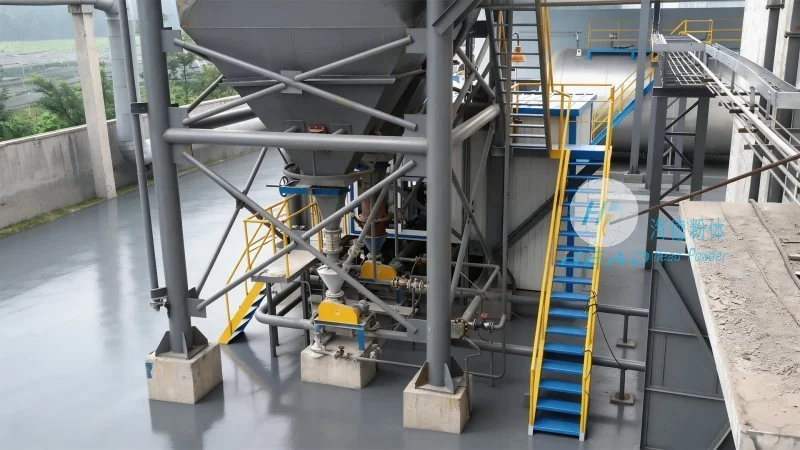
5. Energy Efficiency: Modern pneumatic systems are designed to optimize energy use, with variable speed drives and efficient blower designs reducing operational costs. The ability to adjust air pressure and flow further enhances energy efficiency based on the material's properties and system requirements.
Applications and Benefits in the Phosphate Industry
Phosphate powder pneumatic conveying is widely used in various stages of the fertilizer production process. From raw material handling to finished product packaging, the technology ensures reliable and efficient transport. The benefits extend beyond just material handling, including improved safety, reduced environmental impact, and enhanced overall operational efficiency.
For example, in phosphate rock processing plants, pneumatic systems are used to transport crushed and ground phosphate rock to storage silos or processing units. In the fertilizer manufacturing stage, the system efficiently moves the phosphate powder from mixing tanks to packaging lines. The consistent and controlled transport of the powder helps maintain product quality and prevents variations in nutrient content.
Conclusion
Phosphate powder pneumatic conveying is a sophisticated and effective method for handling this critical agricultural material. By understanding the working principle and leveraging the key characteristics of the system, manufacturers can optimize their operations, improve safety, and enhance product quality. As the demand for phosphate fertilizers continues to grow, the adoption of advanced pneumatic conveying technology will remain essential for meeting production and supply chain requirements.