Garbage pneumatic conveying systems represent a sophisticated approach to the efficient and hygienic transport of waste materials. Understanding their operational mechanics and distinctive attributes is crucial for industries seeking reliable waste management solutions. This article delves into the core principles and key characteristics of such systems, providing a comprehensive overview that highlights their practical applications and benefits.
Working Principle of Garbage Pneumatic Conveying Systems
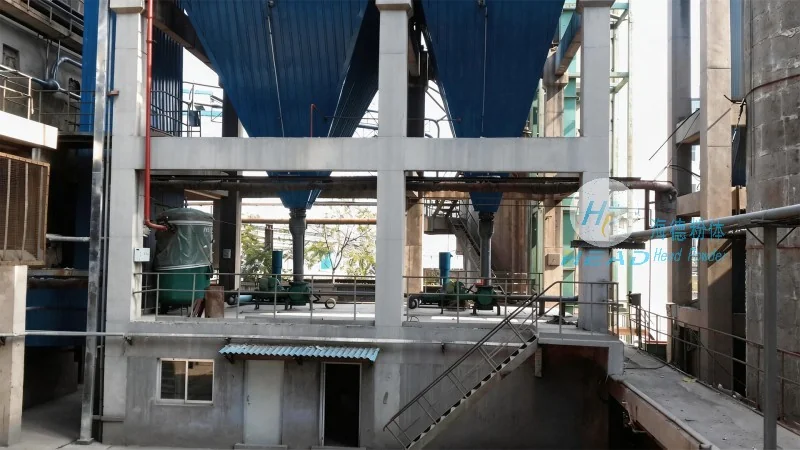
A garbage pneumatic conveying system operates on the fundamental principle of using air pressure to move solid waste materials through a network of pipes. The process typically involves several key components and steps that work in concert to ensure effective material transport. At its core, the system relies on a blower or compressor to generate the necessary air pressure, which then propels the waste particles through the pipeline. The waste is often introduced into the system via a hopper or feeder, where it is then mixed with the air stream. As the air flows through the pipe, it carries the waste particles along, utilizing the velocity and pressure differential to maintain the flow. The system may include various components such as cyclones, filters, and separation units to manage the air and waste mixture, ensuring that the waste is delivered to its destination while maintaining air quality and system efficiency.
Key Features of Garbage Pneumatic Conveying Systems
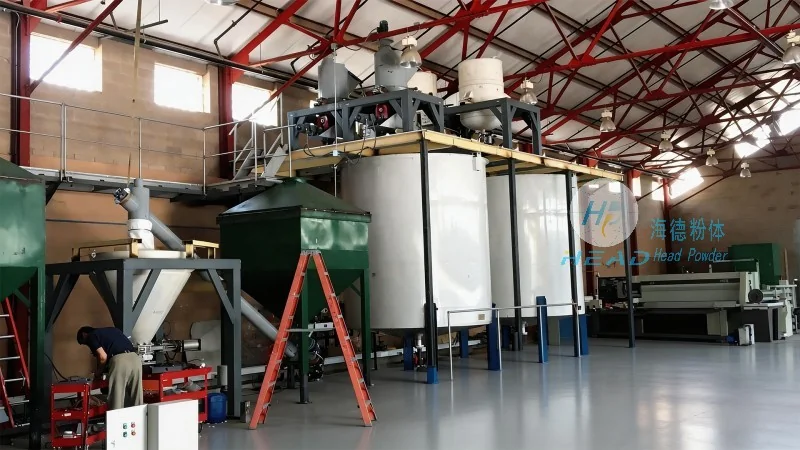
Garbage pneumatic conveying systems are characterized by several notable features that make them suitable for diverse waste management applications. One of the primary advantages is their ability to transport waste over long distances with minimal human intervention. The enclosed pipeline system prevents exposure to contaminants and odors, enhancing safety and hygiene. Additionally, these systems can handle a wide range of waste types, including solid, semi-solid, and even some liquid components, making them versatile for different waste streams. Another significant feature is the system's energy efficiency, as the use of air pressure allows for reduced operational costs compared to traditional mechanical conveyors. The design also incorporates features for easy maintenance and cleaning, with components that can be easily accessed and serviced to ensure continuous operation. Furthermore, the system's compact footprint and modular design make it adaptable to various site configurations, whether in urban or industrial settings.
Applications and Benefits in Waste Management
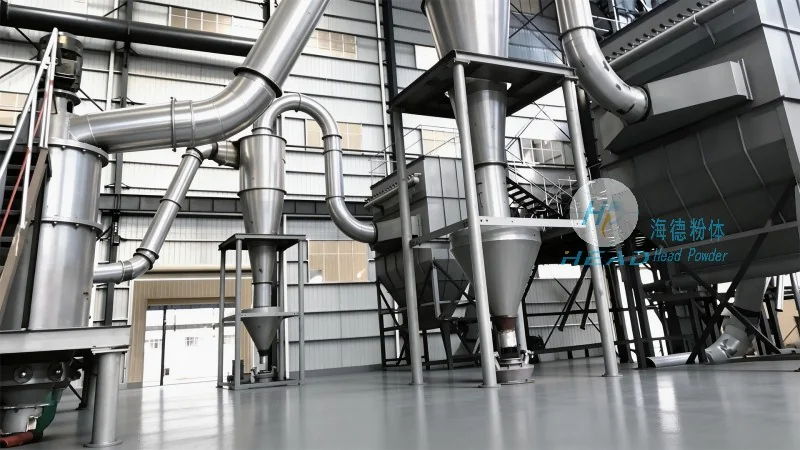
The practical applications of garbage pneumatic conveying systems span across various sectors of waste management, from municipal solid waste collection to industrial waste processing. In municipal settings, these systems are employed to transport waste from collection points to processing facilities, reducing the need for manual handling and improving operational efficiency. In industrial environments, they are used to convey waste materials from production lines to disposal or recycling centers, ensuring that waste is managed in an environmentally responsible manner. The benefits of using such systems extend beyond operational efficiency, as they contribute to improved public health by minimizing the spread of waste-related pathogens and odors. Moreover, the enclosed nature of the system helps in controlling dust and emissions, aligning with environmental regulations and sustainability goals. The reliability of these systems also reduces downtime and maintenance costs, providing a long-term solution for consistent waste management.
Conclusion and Company Overview
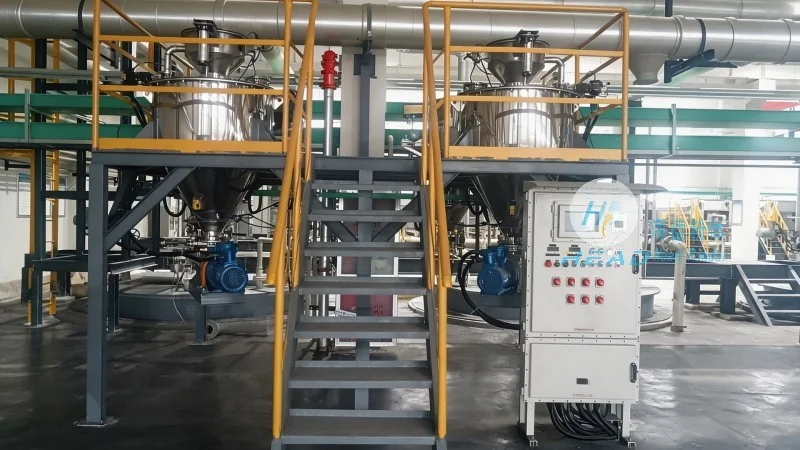
In conclusion, garbage pneumatic conveying systems offer a robust and efficient solution for the transportation of waste materials. Their working principle, based on air pressure and enclosed pipelines, ensures safe, hygienic, and cost-effective waste transport. The key features, including long-distance capability, versatility, and energy efficiency, make them a preferred choice for modern waste management. As industries and municipalities strive for more sustainable and effective waste handling solutions, the adoption of such systems continues to grow. Shandong HeadPowder Engineering Co., Ltd., a leading provider in this field, specializes in designing and manufacturing high-quality garbage pneumatic conveying systems tailored to meet the specific needs of clients. With a commitment to innovation and quality, the company serves clients across China, including urban and industrial sectors, providing reliable solutions that enhance waste management operations. Based in Shandong, China, HeadPowder Engineering leverages advanced technology and expertise to deliver systems that are both effective and environmentally friendly, contributing to the broader goal of sustainable waste management.




