

Working Principle and Features of Lithium-Ion Battery Positive Electrode Pneumatic Conveying Line
HeadPowder, a leading manufacturer in the field of material handling solutions, specializes in the design and production of advanced pneumatic conveying systems tailored for the lithium-ion battery industry. With a strong presence in Shandong, China, the company has established itself as a trusted partner for businesses seeking efficient and reliable equipment for handling positive electrode materials in battery production lines.
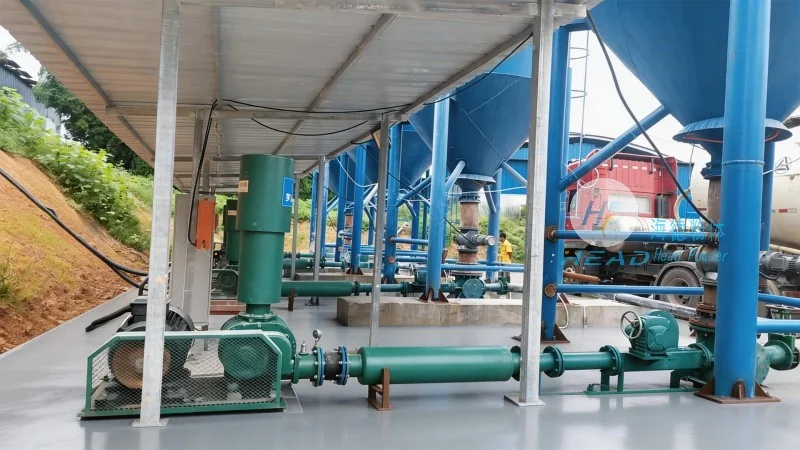
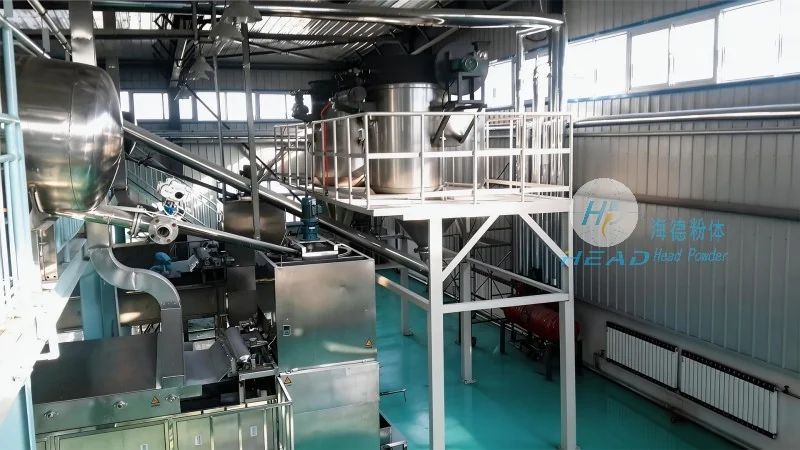
Understanding the Working Principle of Lithium-Ion Battery Positive Electrode Pneumatic Conveying Lines
The core function of a lithium-ion battery positive electrode pneumatic conveying line is to transport fine powders, such as lithium cobalt oxide or other cathode active materials, from one processing stage to another within a battery manufacturing facility. The system operates by utilizing compressed air or other gas to create a flow that moves the powder through a network of pipes and components. This method eliminates the need for mechanical components like belts or buckets, reducing friction and wear while ensuring a clean and dust-free environment. The process typically involves a feeding hopper that introduces the powder into the system, a pressure vessel or receiver that collects the material at the destination, and a series of valves and controls that regulate the flow rate and direction. The compressed air is introduced at specific points to create a positive pressure that propels the powder through the system, with the velocity and pressure carefully managed to prevent material degradation or blockages. The entire operation is designed to maintain the integrity of the powder, ensuring consistent particle size and preventing agglomeration, which is critical for the quality of the final battery product.
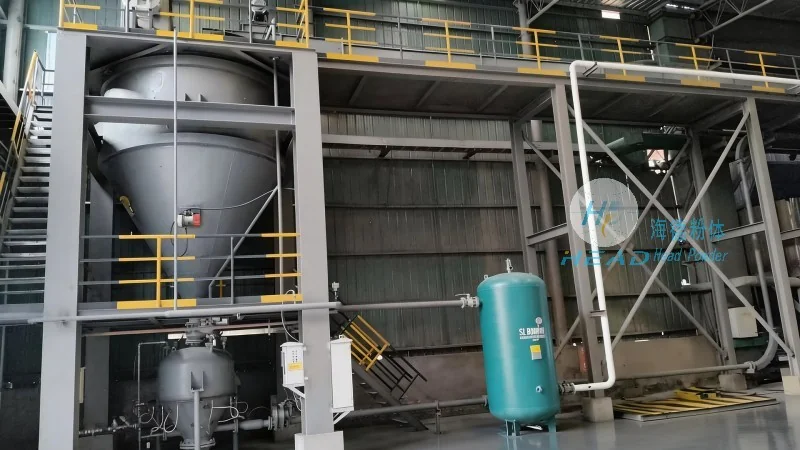
Key Features of Lithium-Ion Battery Positive Electrode Pneumatic Conveying Lines
Several distinct features make these conveying systems ideal for the demanding requirements of lithium-ion battery production. First, the system offers high efficiency in material transport, capable of moving large volumes of fine powders over considerable distances with minimal energy consumption compared to traditional mechanical systems. This efficiency is crucial for maintaining production throughput in high-speed battery manufacturing lines. Second, the design emphasizes cleanliness and hygiene, which is paramount in battery production to prevent contamination of sensitive materials. The enclosed system and use of inert gases or controlled air pressure help maintain a sterile environment, reducing the risk of particle contamination that could affect battery performance. Third, the system provides flexibility in layout and integration, allowing for customized configurations to fit the specific spatial constraints and workflow of a battery plant. This adaptability enables manufacturers to optimize their production lines without major structural modifications. Fourth, the equipment is built for durability and reliability, with components constructed from materials resistant to corrosion and wear from the handling of abrasive cathode materials. This ensures long operational life and minimal downtime, which are essential for maintaining consistent production schedules. Finally, the system supports precise control over the conveying process, with advanced sensors and controls that monitor flow rates, pressure, and material levels in real-time. This allows for immediate adjustments to maintain optimal performance and prevent system failures, contributing to overall operational stability.
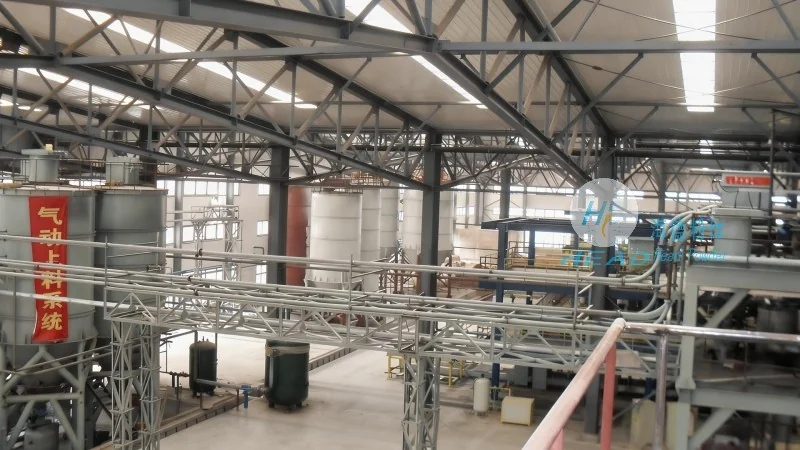
Conclusion and Company Expertise
Shandong HeadPowder Engineering Co., Ltd., based in Shandong, China, leverages its expertise in engineering and material handling to deliver high-quality pneumatic conveying solutions for lithium-ion battery manufacturers. By combining advanced technology with rigorous quality control, the company ensures that its systems meet the stringent requirements of the battery industry, providing reliable and efficient material transport for positive electrode materials. The working principle and features of these systems not only enhance production efficiency but also contribute to the overall quality and performance of lithium-ion batteries, making them a critical component in modern battery manufacturing processes.