Aluminum nitride (AlN) is a high-performance ceramic material widely used in semiconductor, optical, and electronic industries due to its excellent thermal conductivity, electrical insulation, and chemical stability. The efficient handling and transportation of AlN powder are critical for maintaining product quality and operational efficiency in manufacturing processes. This article explores the working principle and key features of aluminum nitride powder conveyors, highlighting how they address the unique challenges of handling this specialized material. The information is provided by Shandong HeadPowder Engineering Co., Ltd., a leading manufacturer of specialized powder handling equipment.
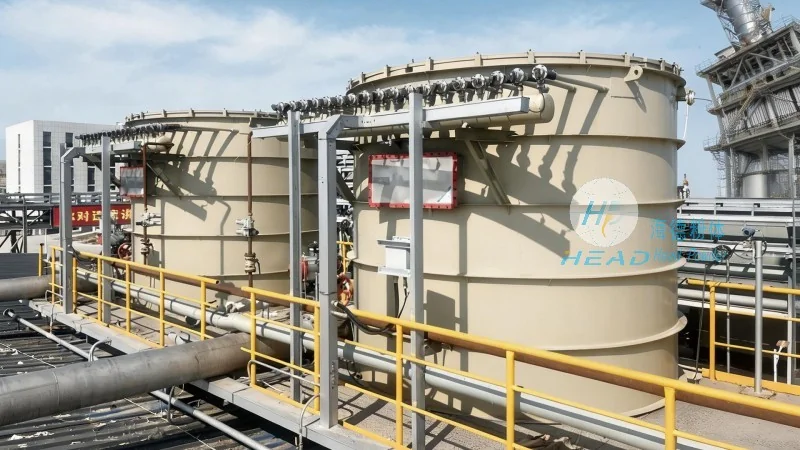
Working Principle of Aluminum Nitride Powder Conveyors
Aluminum nitride powder conveyors operate on principles designed to minimize particle degradation and ensure consistent flow. The core mechanism involves a combination of mechanical components that control the movement of fine AlN powder from a source to a destination. Typically, these systems use a closed-loop design to prevent contamination and maintain a controlled environment, which is essential for AlN powder— a material sensitive to moisture and air exposure.
The conveyor system begins with a feeding mechanism, often a hopper or a vibrating feeder, that evenly distributes the AlN powder. This initial step ensures that the powder is not compacted or agglomerated, which could affect downstream processing. From the feeder, the powder is transferred to a transport section, which may include a screw conveyor, pneumatic conveyor, or a combination of both. The choice of transport method depends on the specific application and the required flow rate. For example, screw conveyors are suitable for moderate to high flow rates and provide a continuous, low-speed movement that reduces particle attrition. Pneumatic conveyors, on the other hand, use air pressure to move the powder, which is ideal for handling fine powders that are prone to clogging in mechanical systems.
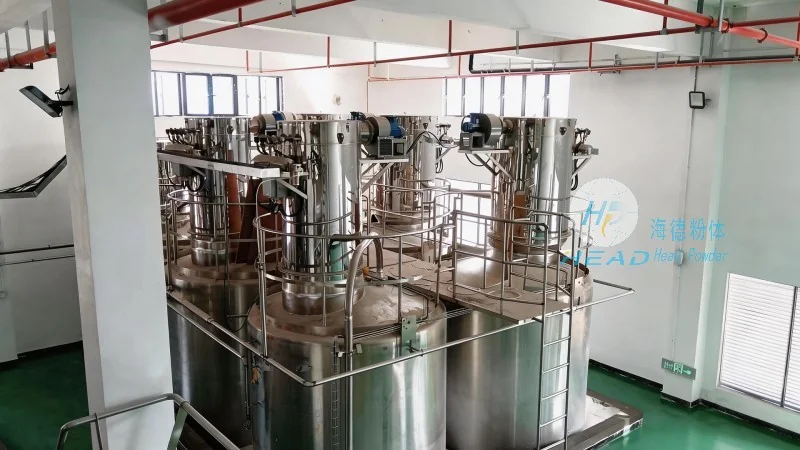
One of the critical components in the working principle is the control system, which monitors and adjusts the conveyor speed, pressure, and temperature. This system ensures that the AlN powder is transported at a consistent rate, preventing overloading or underloading of the downstream equipment. Additionally, the conveyor may include a dust collection system to capture any particles that escape, maintaining a clean and safe working environment. The entire process is automated, with sensors and feedback loops that adjust the operation in real-time, ensuring optimal performance and minimal downtime.
Key Features of Aluminum Nitride Powder Conveyors
Aluminum nitride powder conveyors are engineered with several features that make them suitable for handling this delicate material. The first and most important feature is their ability to maintain a low particle size distribution. The design minimizes friction and impact, which are common causes of particle breakdown in traditional conveyors. This is achieved through smooth surfaces, low-speed operation, and the use of materials that do not react with AlN powder, such as stainless steel or specialized polymers.
Another key feature is the system's ability to handle varying flow rates and particle sizes. The adjustable speed and capacity of the conveyor allow it to accommodate different production volumes, from small batches to large-scale manufacturing. This flexibility is particularly valuable in industries where production demands fluctuate, as it reduces the need for multiple conveyors and simplifies inventory management.
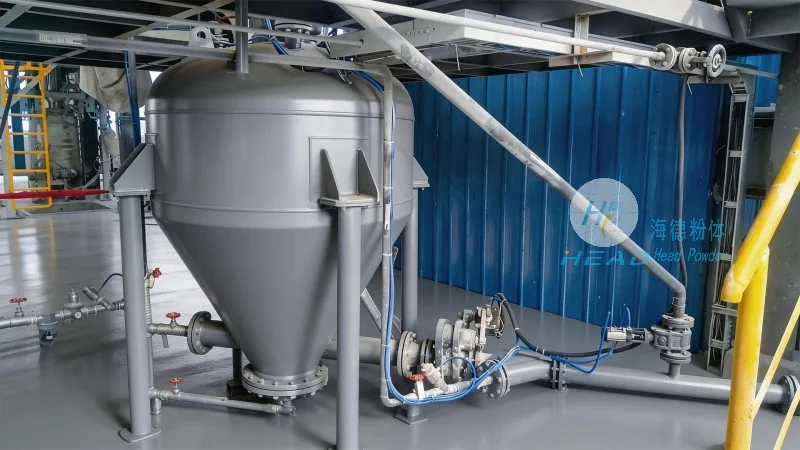
Contamination control is a critical feature of aluminum nitride powder conveyors. The closed-loop design and sealed components prevent the introduction of moisture, oxygen, or other contaminants that could alter the properties of the AlN powder. This is essential for applications where the powder's purity directly impacts the performance of the final product, such as in semiconductor manufacturing. The system may also include a drying or dehumidification step to further ensure that the powder remains in its optimal state.
Energy efficiency is another notable feature. Modern conveyors use advanced motor controls and variable frequency drives (VFDs) to optimize energy consumption. By adjusting the speed based on the actual load, the system reduces unnecessary energy use, which is both cost-effective and environmentally friendly. This efficiency is particularly important for large-scale operations where energy costs can significantly impact the overall production budget.
Applications and Benefits in Industrial Settings
Aluminum nitride powder conveyors are widely used in various industrial applications where the handling of fine ceramic powders is essential. In the semiconductor industry, for example, these conveyors are used to transport AlN powder to sintering furnaces or mixing equipment, ensuring that the powder is delivered in a consistent and uncontaminated state. This contributes to the production of high-quality AlN-based components, such as heat sinks and substrates, which are critical for advanced electronic devices.
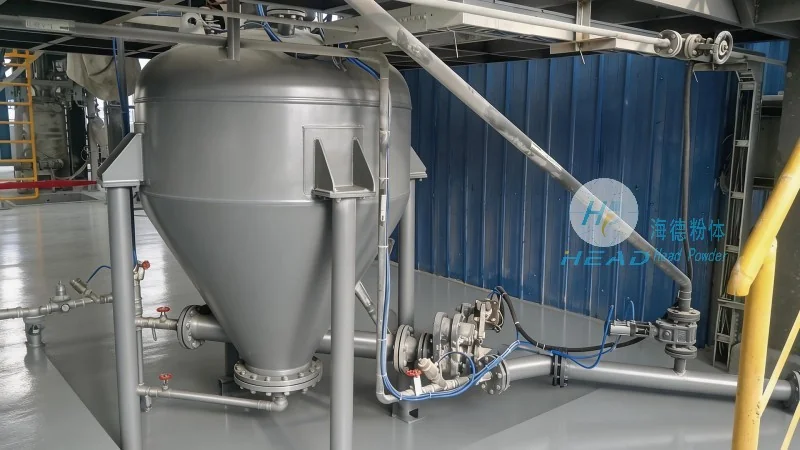
In the optical industry, the conveyors are used to transport AlN powder for the manufacturing of optical lenses and coatings. The precision and consistency of the conveyor system help maintain the uniformity of the powder, which is necessary for achieving the desired optical properties. Similarly, in the electronic industry, AlN powder is used in the production of capacitors and resistors, and the conveyor ensures that the powder is delivered to the production line without degradation.
The benefits of using aluminum nitride powder conveyors extend beyond just material handling. By improving the efficiency of the production process, these systems reduce downtime and increase throughput. The consistent flow of powder also reduces the risk of equipment failure due to clogging or overloading, which can be costly in terms of maintenance and production delays. Additionally, the closed-loop design minimizes waste and ensures that the AlN powder is used efficiently, reducing material costs and environmental impact.




