Large-scale material handling systems are integral to modern industrial operations, enabling the efficient movement of bulk materials across various production and logistics environments. These systems are designed to handle substantial volumes of goods, ensuring smooth workflows and enhanced productivity in sectors such as manufacturing, construction, and warehousing. Shandong HeadPowder Engineering Co., Ltd., a leading provider of material handling solutions, specializes in designing and implementing large-scale systems tailored to meet the unique needs of industrial clients.
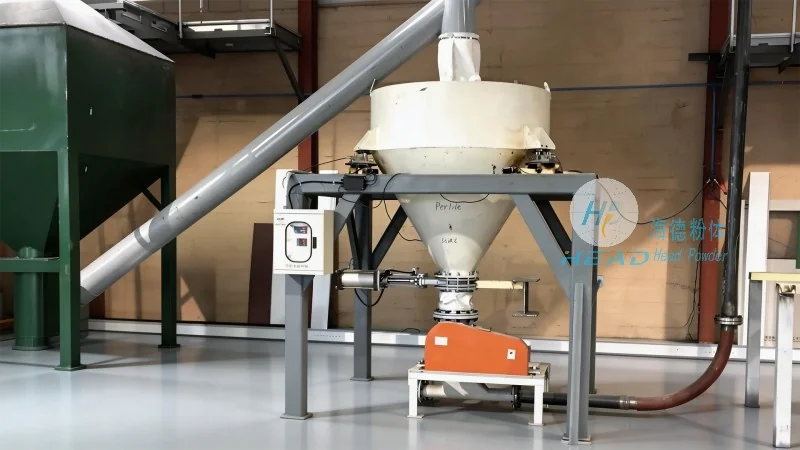
Working Principles of Large-Scale Material Handling
At the core of large-scale material handling are specialized equipment and processes engineered to transport, store, and manage materials. The primary working principle involves the integration of mechanical systems, such as conveyor belts, cranes, and automated guided vehicles (AGVs), which work in tandem to move materials from one location to another. For instance, conveyor systems utilize gravity or motorized drives to transport items along a defined path, while overhead cranes employ pulley systems to lift and reposition heavy loads. The coordination of these components ensures seamless material flow, minimizing downtime and maximizing operational efficiency.
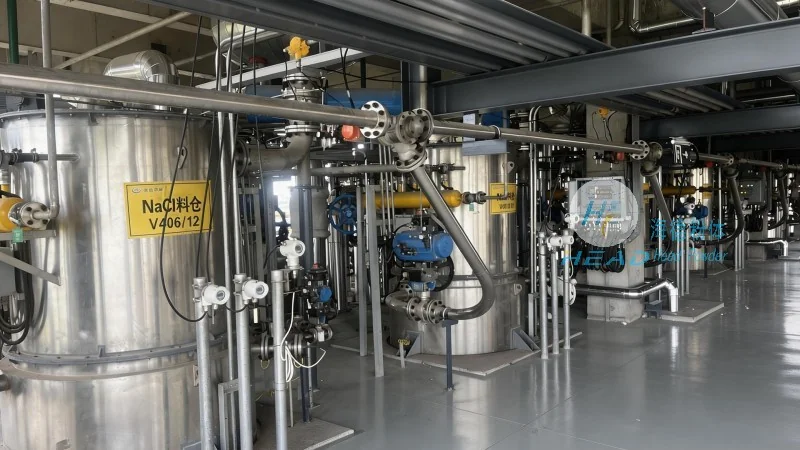
Key Characteristics of Large-Scale Material Handling Systems
Large-scale material handling systems exhibit several defining characteristics that set them apart from smaller-scale alternatives. One of the most significant features is their capacity to handle substantial volumes of materials, often measured in tons or cubic meters per hour. This high throughput is achieved through the use of robust machinery and optimized layouts, which allow for continuous material movement without bottlenecks. Another critical characteristic is the system's adaptability, as modern large-scale handling solutions can be customized to accommodate diverse material types, including bulk solids, liquids, and packaged goods. Additionally, these systems prioritize safety and reliability, incorporating advanced control systems and redundancy measures to prevent accidents and ensure consistent performance.
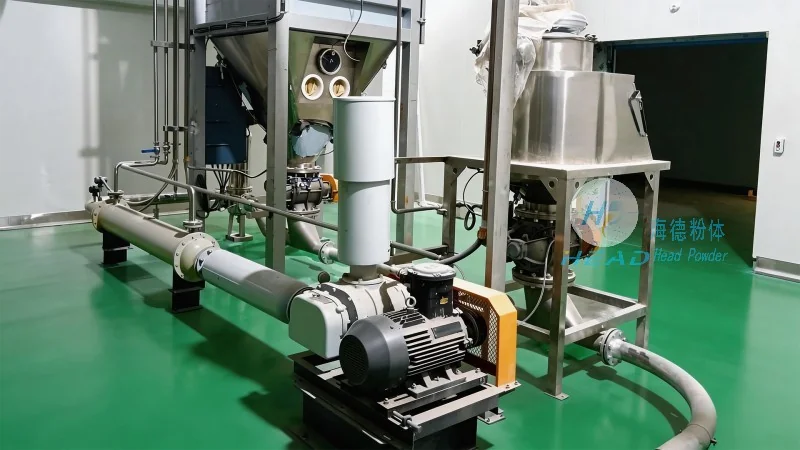
Applications and Benefits in Industrial Settings
Large-scale material handling systems find widespread application in industries where material movement is a critical operational activity. In manufacturing plants, these systems facilitate the transfer of raw materials to production lines and the movement of finished products to storage or shipping areas. In construction sites, cranes and material lifts are essential for transporting building materials to elevated positions, while in warehousing, automated conveyor networks streamline inventory management and order fulfillment. The benefits of implementing such systems extend beyond efficiency, as they also contribute to cost reduction, labor savings, and improved workplace safety. By automating material handling tasks, companies can reduce manual labor requirements and minimize the risk of human error, leading to more consistent and reliable operations.
Technological Advancements and Future Trends
Advancements in technology continue to shape the evolution of large-scale material handling systems. The integration of automation, artificial intelligence, and IoT (Internet of Things) technologies has enabled more sophisticated and intelligent material handling solutions. For example, smart sensors and real-time monitoring systems provide operators with data on system performance, allowing for proactive maintenance and optimization. Additionally, the adoption of robotics and autonomous vehicles is expanding the capabilities of large-scale handling systems, enabling more flexible and adaptable operations. As industries strive for greater efficiency and sustainability, large-scale material handling systems are expected to incorporate eco-friendly technologies, such as energy-efficient motors and renewable energy sources, to reduce their environmental impact.
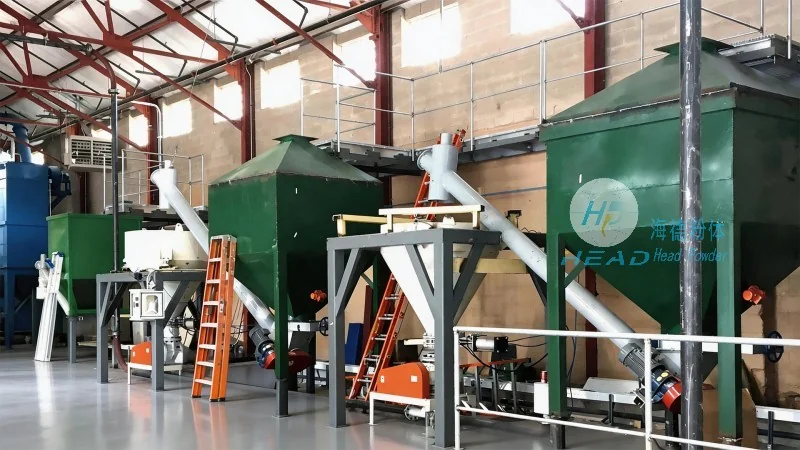
Conclusion
Large-scale material handling systems represent a cornerstone of modern industrial operations, offering efficient, reliable, and adaptable solutions for moving substantial volumes of materials. By understanding their working principles and key characteristics, businesses can leverage these systems to enhance productivity, reduce costs, and improve overall operational performance. As technology continues to advance, the future of large-scale material handling holds promise for even more innovative and sustainable solutions, further solidifying their role in the industrial landscape.




