For agricultural processing facilities, efficient handling of millet and other grain materials is crucial for maintaining productivity and ensuring quality. The millet material conveying line, developed by Shandong HeadPowder Engineering Co., Ltd. based in China, offers a reliable solution for transporting these materials with precision and efficiency. This article explores the working principle and key features of such systems, highlighting how they contribute to streamlined operations in grain processing industries.
Working Principle of Millet Material Conveying Lines
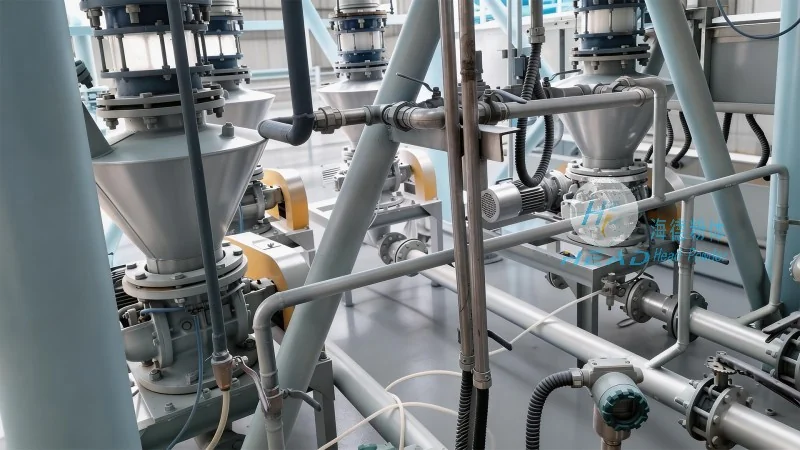
The millet material conveying line operates through a combination of mechanical components designed to move grain materials from one location to another within a processing facility. At its core, the system typically includes a series of conveyor belts or rollers that transport the millet, supported by a robust frame and driven by an electric motor. The motor provides the necessary power to rotate the drive pulleys, which in turn move the conveyor belts at a controlled speed. This mechanism allows for the continuous movement of millet from the intake point, such as a hopper or storage bin, to the processing or packaging area. The design ensures minimal material loss and optimal flow, reducing the risk of breakage or contamination during transport.
Additionally, the conveying line may incorporate adjustable speed controls and tension mechanisms to adapt to varying loads and material types. For instance, when handling different grain sizes or moisture levels, the system can be adjusted to maintain consistent throughput. Some models also feature integrated sensors that monitor the material flow and alert operators to any blockages or irregularities, enhancing operational safety and efficiency. The overall principle is to create a seamless, automated process that minimizes manual intervention and maximizes productivity in grain handling operations.
Key Features of Millet Material Conveying Lines
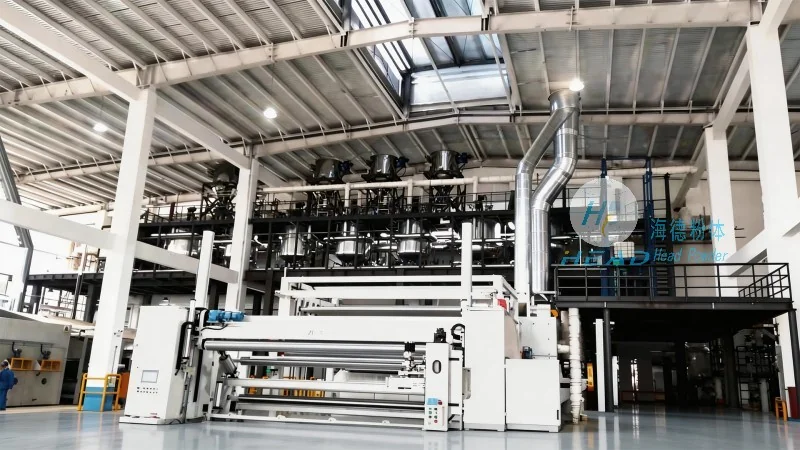
Shandong HeadPowder Engineering Co., Ltd. has engineered millet material conveying lines with several distinct features that set them apart in the industry. One of the primary advantages is the durability and longevity of the equipment, built to withstand the rigorous demands of continuous grain processing. The use of high-quality materials, such as stainless steel and reinforced polymers, ensures resistance to corrosion and wear, reducing maintenance costs over time. This durability is particularly important in environments where the material may be abrasive or where hygiene standards are strict.
Another notable feature is the adaptability of the conveying line to different processing needs. The system can be customized with various components, including different belt widths, incline angles, and integration with other processing equipment like cleaning or sorting machines. This flexibility allows facilities to tailor the line to their specific production requirements, whether for small-scale or large-scale operations. The modular design also facilitates easy maintenance and upgrades, enabling businesses to adapt to changing production demands without significant capital investment.
Efficiency is a critical feature, as the conveying line is designed to minimize energy consumption while maximizing material throughput. Advanced motor control systems and energy-efficient drive mechanisms help reduce operational costs, making the system economically viable for long-term use. The consistent and uniform movement of millet ensures that downstream processing steps, such as milling or packaging, receive a steady supply of material, preventing bottlenecks and improving overall production flow. This reliability is essential for maintaining high output rates and meeting customer demands in competitive markets.
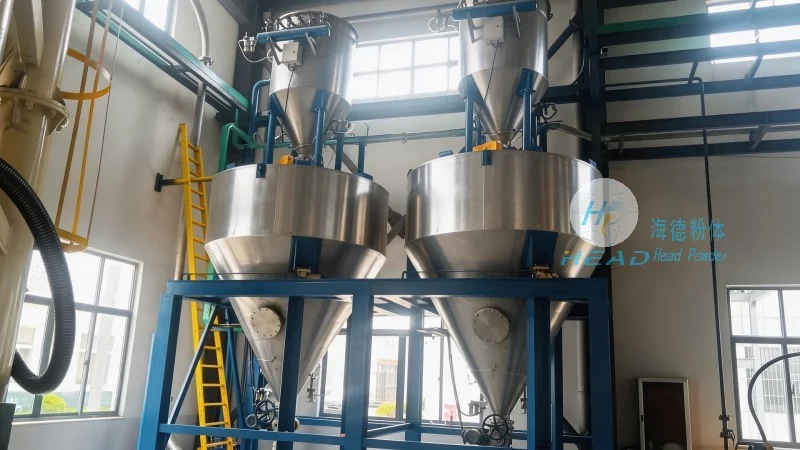
Furthermore, the conveying line is engineered with safety in mind. Safety features include emergency stop buttons, protective guards around moving parts, and automatic shut-off mechanisms in case of overloading or blockages. These measures comply with industry safety standards and protect both operators and the equipment from potential hazards. The system also incorporates easy-to-clean surfaces, which is vital in maintaining hygiene standards, especially when handling food-grade materials like millet. This focus on safety and hygiene aligns with the growing emphasis on quality control in the agricultural processing sector.
Conclusion and Company Overview
Shandong HeadPowder Engineering Co., Ltd., based in China, specializes in the design and manufacturing of advanced material handling systems, including millet material conveying lines. With a commitment to innovation and quality, the company has developed solutions that address the specific challenges faced by grain processing facilities. The working principle and features of these conveying lines demonstrate a deep understanding of the needs of the industry, providing reliable, efficient, and adaptable equipment. By investing in such systems, businesses can enhance their operational efficiency, reduce costs, and ensure consistent quality in their grain processing operations. As a leading provider in the field, Shandong HeadPowder Engineering Co., Ltd. continues to support the growth and development of the agricultural processing industry through its advanced technology and customer-focused approach.




