Iron powder pneumatic conveying lines are a specialized type of material handling system designed to transport iron powder and similar fine particulate materials through an enclosed pipeline using compressed air or other gas as the conveying medium. The core principle of this technology lies in the efficient suspension and movement of the powder particles within the air stream, enabling seamless transfer from the source to the destination without the need for mechanical components like belts or buckets.
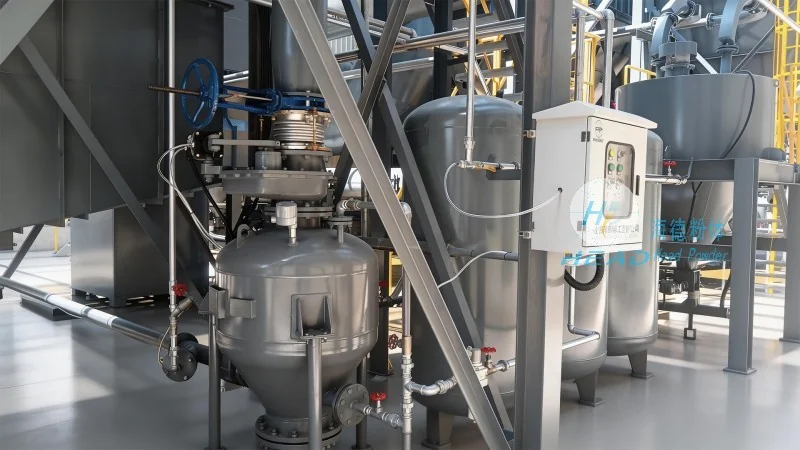
Basic Working Principle of Iron Powder Pneumatic Conveying Lines
The operation of an iron powder pneumatic conveying line is based on the fundamental physics of fluid dynamics and particle suspension. When compressed air is introduced into the conveying line, it creates a low-pressure zone that draws the iron powder particles into the air stream. The air velocity is carefully controlled to maintain the particles in a suspended state, preventing them from settling or clogging the pipeline. This suspension is achieved by ensuring the air velocity exceeds the terminal velocity of the iron powder particles, which is determined by factors such as particle size, density, and the properties of the conveying air.
Key components of an iron powder pneumatic conveying system include the material feed hopper, the air compressor or blower, the conveying pipeline, and the discharge receiver. The feed hopper holds the iron powder and allows it to be metered into the system at a controlled rate. The air compressor generates the necessary pressure and volume of air to drive the conveying process. The pipeline, typically made of stainless steel or other corrosion-resistant materials, transports the iron powder-air mixture from the feed point to the discharge point. The discharge receiver collects the iron powder and separates it from the air, often using a cyclone separator or other filtration equipment.
Working Scene Characteristics of Iron Powder Pneumatic Conveying Lines
The working scene characteristics of iron powder pneumatic conveying lines are tailored to the specific requirements of iron powder handling applications. These systems are commonly used in industrial settings where the transport of fine powders is critical, such as in the production of iron-based alloys, pigments, and other iron-containing compounds. The key characteristics include:
1. Efficient Material Transfer: The pneumatic conveying method ensures that iron powder is transported with minimal loss and contamination, maintaining the purity of the material throughout the process. This is particularly important in applications where the iron powder is used as a raw material in subsequent manufacturing steps.
2. Low Maintenance and Reliability: Compared to mechanical conveying systems, pneumatic conveying lines have fewer moving parts, reducing the risk of mechanical failure and minimizing maintenance requirements. The system operates smoothly and reliably, ensuring consistent performance over long periods.
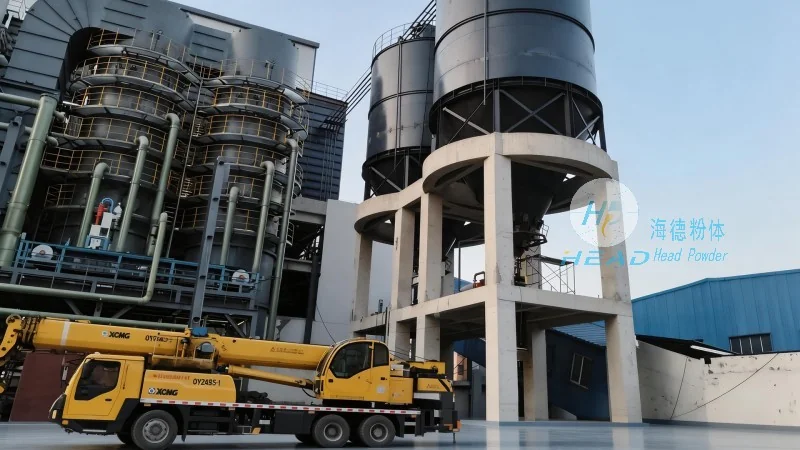
3. Flexibility in Layout: Iron powder pneumatic conveying lines can be easily integrated into existing industrial layouts, allowing for flexible routing of the pipeline to accommodate different production processes. This flexibility enables the system to be adapted to various production scenarios without major structural changes.
4. Controlled Airflow and Particle Flow: Advanced control systems are employed to regulate the airflow and particle feed rate, ensuring precise control over the conveying process. This control is essential for maintaining consistent product quality and preventing overloading or underloading of the system.
Application Scenarios in Industrial Production
Iron powder pneumatic conveying lines are widely applied in various industrial sectors, particularly in the manufacturing of iron-based products. For instance, in the production of iron powder for magnetic materials, the conveying system must handle fine, high-purity iron powder to ensure the quality of the final magnetic components. Similarly, in the production of iron oxide pigments, the system must maintain the color stability and particle size distribution of the iron powder.
In the automotive and aerospace industries, iron powder is used as a raw material in the production of iron-based alloys and composites. The pneumatic conveying system ensures that the iron powder is delivered to the production line in a controlled manner, supporting the efficient manufacturing of these high-performance materials. Additionally, in the chemical industry, iron powder is used in the production of various chemicals, and the conveying system plays a crucial role in transporting the powder to the reactors and processing units.
Advantages of Using Iron Powder Pneumatic Conveying Lines
Compared to traditional mechanical conveying methods, iron powder pneumatic conveying lines offer several advantages that make them a preferred choice in many industrial applications. These advantages include:
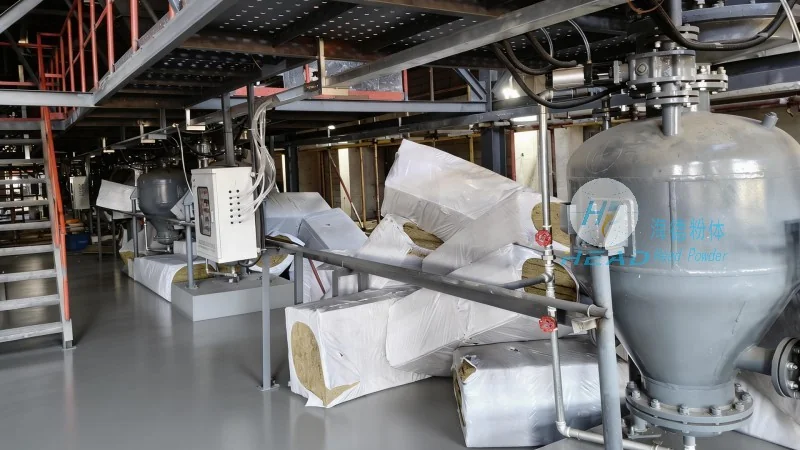
1. Reduced Material Loss and Contamination: The enclosed pipeline design minimizes the exposure of iron powder to the environment, reducing the risk of dust contamination and material loss. This is particularly important for high-value iron powder products.
2. Energy Efficiency: Modern pneumatic conveying systems are designed to be energy-efficient, using compressed air only when necessary and optimizing the airflow to minimize energy consumption. This contributes to lower operational costs and reduced environmental impact.
3. Scalability: The system can be scaled up or down to meet the varying production demands of different industrial applications. Whether for small-scale laboratory production or large-scale industrial manufacturing, the pneumatic conveying line can be adjusted to suit the specific requirements.
4. Safety and Environmental Compliance: The enclosed system prevents dust emissions and ensures compliance with environmental regulations. The use of filtered air and proper ventilation systems further enhances the safety of the operation, protecting both the workers and the environment.
Conclusion
Iron powder pneumatic conveying lines represent an advanced and efficient solution for the transportation of iron powder and similar fine particulate materials. By leveraging the principles of fluid dynamics and particle suspension, these systems provide reliable, low-maintenance, and flexible material handling capabilities. The working scene characteristics and application scenarios of such systems are tailored to meet the specific needs of various industrial sectors, ensuring optimal performance and product quality. As a leading provider in this field, Shandong HeadPowder Engineering Co., Ltd. specializes in designing and manufacturing customized iron powder pneumatic conveying lines that meet the diverse requirements of industrial clients, with operations based in Shandong, China.




