Principle and Working Scene Characteristics of Dry Stone Powder Pneumatic Conveying System Equipment
Release time:2026-09-19 00:01:30
name of the company:Shandong Headpowder Engineering Co., Ltd.
telephone:156-6277-7102
contacts:Zhang manager
For industries dealing with dry stone powders, efficient material handling is crucial. The dry stone powder pneumatic conveying system, developed by Shandong HeadPowder Engineering Co., Ltd., offers a reliable solution that integrates advanced technology with practical application. This system is designed to transport dry powders like stone powders through an air-driven process, ensuring high efficiency and minimal material loss. Understanding its principle and working characteristics is essential for optimizing material handling operations.
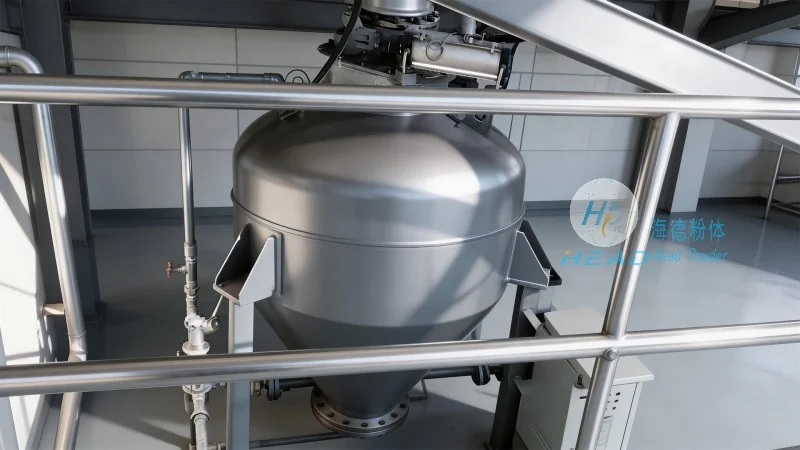
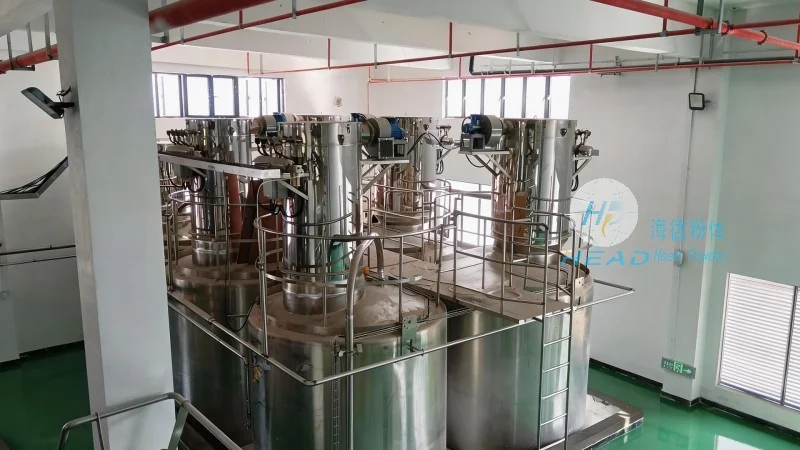
The Core Principle of Pneumatic Conveying
The fundamental principle of the dry stone powder pneumatic conveying system lies in the use of compressed air to transport dry materials. The system operates by creating a pressure differential between the material feed point and the discharge point. As compressed air is introduced into the conveying line, it generates a flow that lifts and moves the dry stone powder particles. This process relies on the interaction between the air flow and the powder particles, ensuring stable and continuous transport. The system typically includes components such as a hopper, a rotary valve, a conveying line, and a receiver, each playing a critical role in the overall operation.
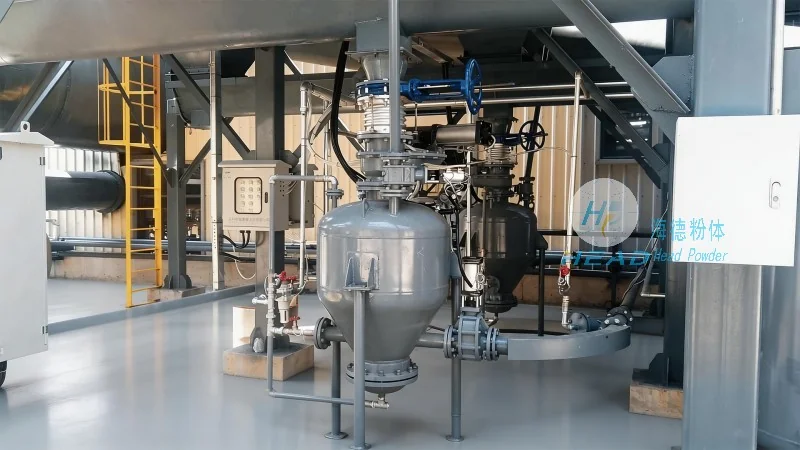
Key Working Scene Characteristics
The working scene characteristics of the dry stone powder pneumatic conveying system are tailored to meet the demands of various industrial applications. These systems are designed for environments where traditional mechanical conveying methods may be inefficient or impractical. The key characteristics include high transport capacity, flexibility in layout, and the ability to handle a wide range of particle sizes and densities. For example, in mining and construction industries, these systems are used to transport stone powders from storage silos to processing equipment. In manufacturing, they facilitate the movement of stone powders in production lines, ensuring smooth workflow and reduced downtime.
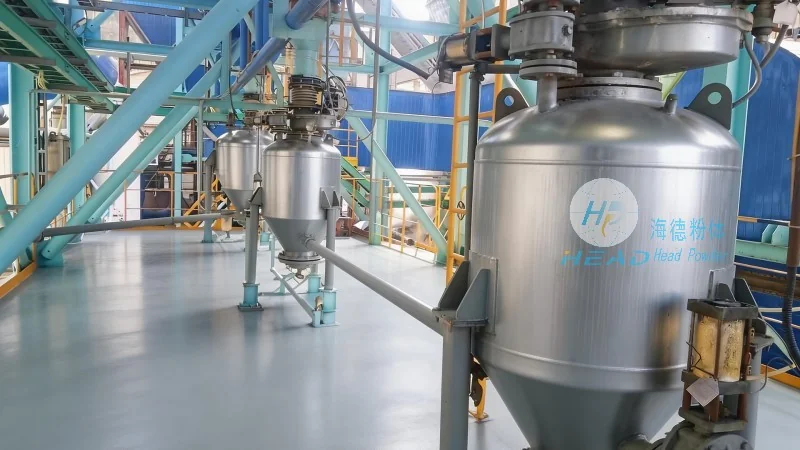
Advantages in Practical Applications
Implementing a dry stone powder pneumatic conveying system brings several advantages to industrial operations. One of the primary benefits is the reduction in material handling costs. By eliminating the need for manual labor or heavy machinery for transporting dry stone powders, the system minimizes operational expenses. Additionally, the system reduces the risk of material contamination and dust exposure, enhancing workplace safety. The compact design of the system allows for easy integration into existing facilities, making it a versatile solution for various industrial settings. The reliability of the pneumatic conveying process also leads to consistent material flow, which is vital for maintaining production efficiency.




