Shandong HeadPowder Engineering Co., Ltd. specializes in the design and manufacturing of advanced conveying systems tailored for handling inorganic salt crystal powders. The company, commonly known as headpowder, has established itself as a leading provider in the field, with its headquarters located in Shandong, China. This article delves into the fundamental principles behind these systems and highlights the key characteristics of their operational environments.
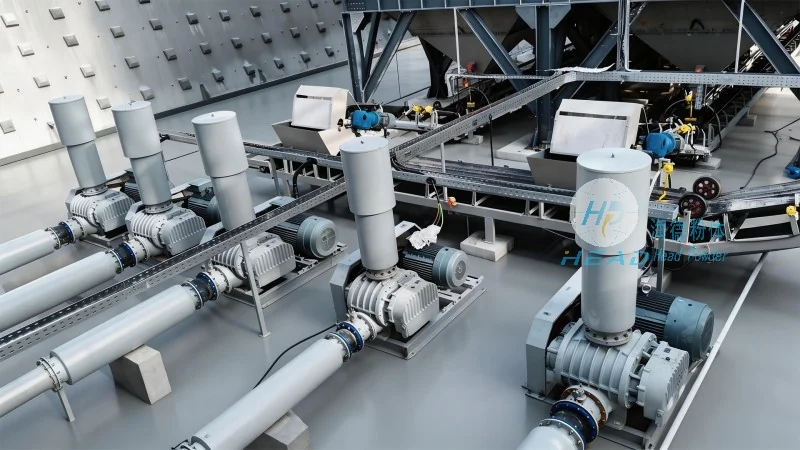
Core Principles of the Powder Conveying System
The inorganic salt crystal powder conveying system operates on a combination of mechanical and pneumatic principles, ensuring efficient and reliable material transport. The system typically incorporates components such as feed hoppers, conveyor belts or pipes, and control mechanisms that regulate the flow of the crystalline powders. A critical aspect of the design is the consideration of the material's physical properties, including particle size, density, and moisture content, which directly influence the selection of the most suitable conveying method. For instance, systems may employ screw conveyors for low to medium flow rates or pneumatic conveying for higher throughput, depending on the specific characteristics of the inorganic salt crystals being handled.
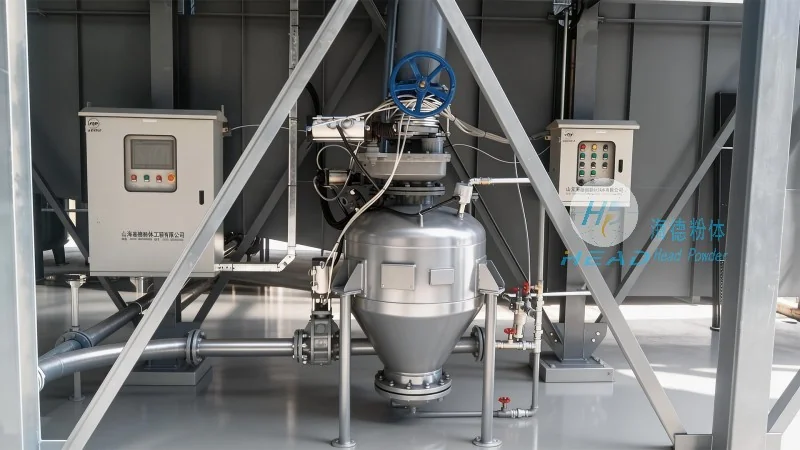
Working Scene Characteristics
The operational environment of the inorganic salt crystal powder conveying system is characterized by several key factors that impact its performance and reliability. Firstly, the system is designed to handle materials that are often abrasive and corrosive, requiring durable construction materials such as stainless steel or specialized alloys to prevent wear and degradation over time. Secondly, the system must maintain a consistent flow rate and prevent material buildup or blockages, which can be achieved through the integration of sensors and automated control systems. Additionally, the system is typically used in industrial settings where space is limited, necessitating compact and modular designs that can be easily integrated into existing production lines. The working scene also includes considerations for safety, as the handling of powders can pose dust explosion risks, which are mitigated through the implementation of explosion-proof designs and proper ventilation systems.
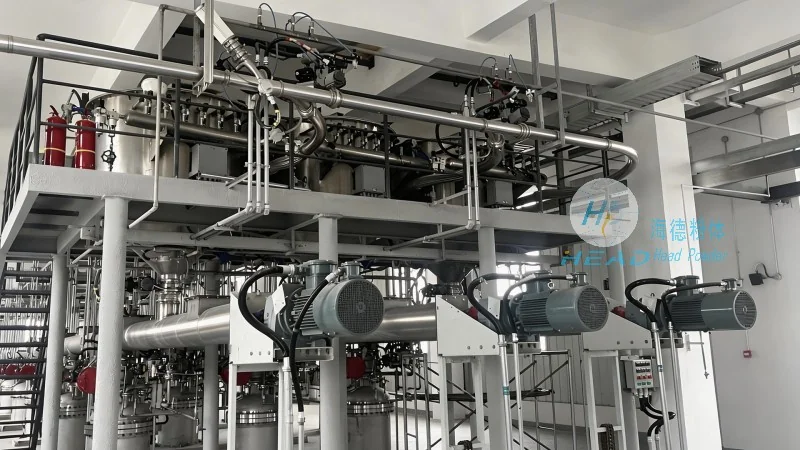
Application Scenarios and Industry Integration
The inorganic salt crystal powder conveying system finds widespread application across various industries, including chemical manufacturing, food processing, and pharmaceutical production. In chemical plants, these systems are used to transport raw materials such as sodium chloride, potassium sulfate, or other inorganic salts to processing units, ensuring a continuous supply of feedstock. In the food industry, the system is employed to handle salt crystals used in seasoning and preservation processes, where hygiene and contamination control are paramount. The pharmaceutical sector utilizes these systems for the transport of excipients and other inorganic salts used in drug formulation, where precision and purity are critical. Each application scenario demands tailored system configurations, such as varying conveyor speeds, material handling capacities, and control parameters, to meet the specific requirements of the end-use process.
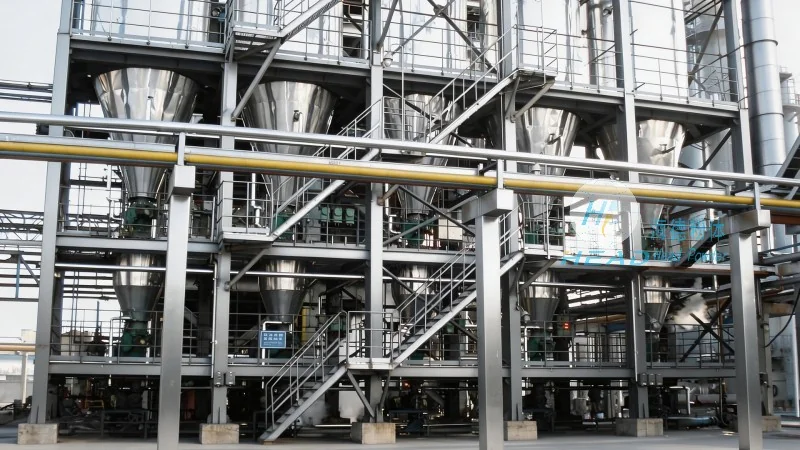
Advantages and Technical Innovations
Shandong HeadPowder Engineering Co., Ltd. has incorporated several technical innovations into its conveying systems to enhance performance and efficiency. One notable advancement is the integration of smart sensors that monitor real-time flow rates, pressure, and temperature, providing data-driven insights for process optimization. The systems also feature energy-efficient designs, reducing operational costs while maintaining high throughput. Additionally, the company's modular approach allows for easy customization and scalability, enabling clients to upgrade or expand their conveying capabilities as their production needs evolve. These innovations not only improve the overall functionality of the system but also contribute to longer service life and lower maintenance requirements, making them a cost-effective solution for long-term industrial applications.




