HeadPowder, a leading engineering solutions provider based in Shandong, China, specializes in the design and implementation of advanced material handling systems tailored for industrial applications. This article focuses on the seaweed residue pellet material conveying line, an innovative solution developed by the company to address the specific challenges of transporting processed seaweed waste into pellet form. The following sections will explore the fundamental principles behind this system and highlight its key working scene characteristics.
Understanding the Core Principle of the Seaweed Residue Pellet Material Conveying Line
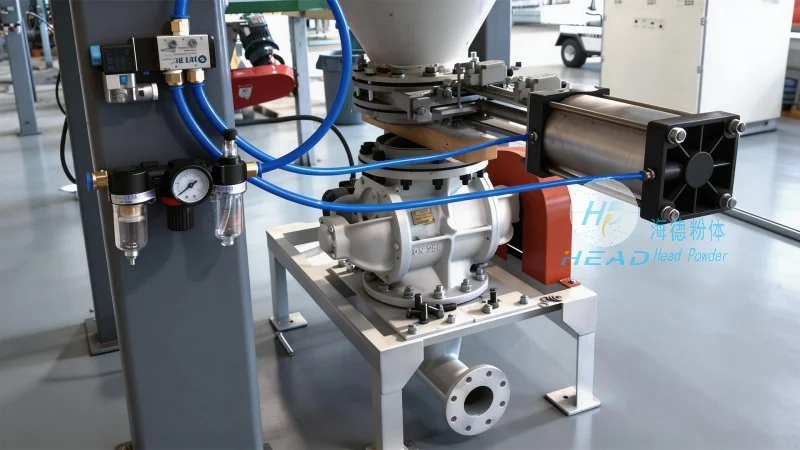
The seaweed residue pellet material conveying line operates on a combination of mechanical and process engineering principles, designed to efficiently move and manage pelletized seaweed residue from production sites to storage or processing facilities. At its core, the system integrates components such as conveyor belts, feeding mechanisms, and control systems to ensure smooth material flow. The conveyor system is engineered to handle the unique physical properties of pelletized seaweed, including its density, moisture content, and potential variability in size. By leveraging advanced material handling technologies, the line minimizes material loss and maximizes throughput, making it an essential asset for industries dealing with seaweed processing and waste management.
Key Working Scene Characteristics of the Conveying Line
The seaweed residue pellet material conveying line is particularly suited for industrial environments where large volumes of pelletized seaweed need to be transported over significant distances or between different processing stages. Its design allows for seamless integration into existing production workflows, reducing downtime and operational complexity. The system’s adaptability is a major advantage, as it can be customized to accommodate varying production rates and material characteristics. For instance, in a seaweed processing plant, the conveying line can efficiently transport freshly produced pellets from the drying and pelletizing units to the storage silos or packaging areas. This ensures that the material is handled gently, preserving its quality and preventing degradation during transport.
Operational Efficiency and Process Integration
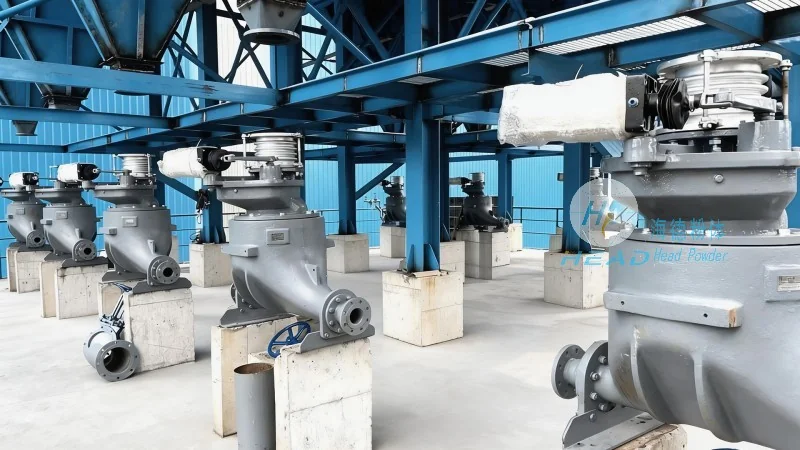
One of the standout features of the HeadPowder seaweed residue pellet material conveying line is its emphasis on operational efficiency and seamless process integration. The system is equipped with intelligent control systems that monitor and adjust conveyor speed, tension, and material flow in real-time, optimizing performance based on current production demands. This dynamic adjustment capability helps maintain consistent material handling speeds, reducing bottlenecks and improving overall productivity. Additionally, the line’s modular design allows for easy maintenance and component replacement, minimizing downtime and ensuring long-term reliability. The integration of sensors and feedback mechanisms further enhances the system’s ability to adapt to changing conditions, such as fluctuations in material moisture or bulk density.
Application Scenarios and Industry Impact
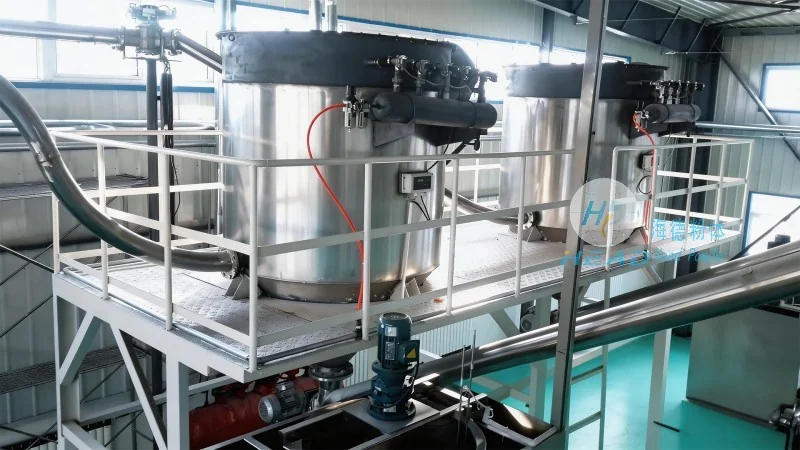
The seaweed residue pellet material conveying line is widely applicable across various industrial sectors, including marine biotechnology, renewable energy, and agricultural waste management. In marine biotechnology, the line is crucial for transporting pelletized seaweed residue from processing facilities to biogas or biofuel production units, where it serves as a feedstock. Similarly, in renewable energy applications, the system helps deliver the pellets to power generation plants, contributing to sustainable energy production. The line’s ability to handle large volumes of material at high speeds makes it an ideal solution for industries seeking to scale up their operations while maintaining quality control. By streamlining the material transport process, the system reduces labor costs and improves overall operational efficiency, providing a competitive edge to businesses in the seaweed processing industry.
Conclusion and Future Prospects
In conclusion, the seaweed residue pellet material conveying line developed by Shandong HeadPowder Engineering Co., Ltd. represents a sophisticated and efficient solution for the transportation of pelletized seaweed residue. Its design, based on robust mechanical principles and advanced control technologies, ensures reliable performance in diverse industrial settings. The system’s adaptability, operational efficiency, and seamless integration capabilities make it a valuable asset for companies involved in seaweed processing and waste management. As industries continue to prioritize sustainability and efficiency, the demand for such advanced material handling solutions is expected to grow, positioning the seaweed residue pellet material conveying line as a key component in the future of marine resource utilization and industrial waste management.




