Centralized powder material pneumatic conveying equipment, also known as central feeding pneumatic conveyors, is a key piece of industrial equipment designed to efficiently transport bulk powder materials over long distances or within complex production lines. This technology has become increasingly vital in modern manufacturing and processing industries, offering a reliable and flexible solution for material handling challenges. The following sections will delve into the fundamental principles of this equipment and explore its typical working scenarios, providing a comprehensive understanding of its applications and benefits.
Core Principle of Centralized Powder Material Pneumatic Conveying
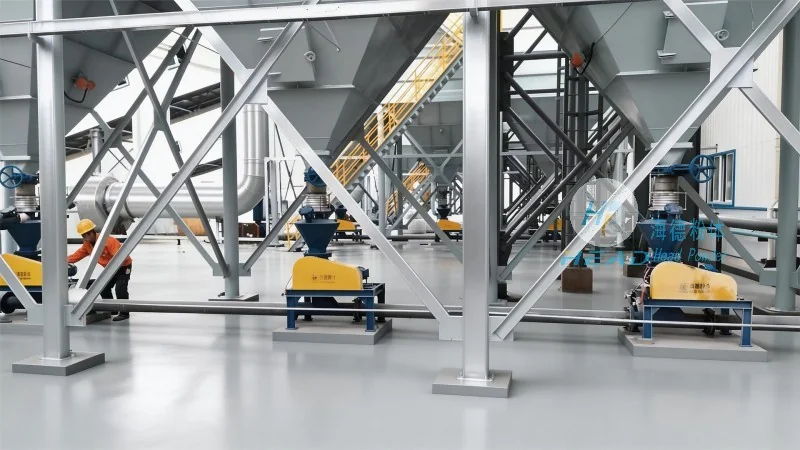
The operation of centralized powder material pneumatic conveying equipment is based on the principle of air flow and pressure differentials to move dry powder materials. Unlike traditional mechanical conveying methods, which rely on physical contact and friction, pneumatic conveying uses compressed air or suction to create a flow that propels the powder particles through a pipeline system. The system typically consists of a feeding hopper, a conveying line, and a discharge point, with additional components such as air compressors, filters, and control valves to regulate the process. The core mechanism involves generating a pressure or vacuum in the pipeline, which draws or pushes the powder material from the source to the destination. This method is particularly effective for handling fine or abrasive powders, as it minimizes product degradation and contamination compared to mechanical systems.
Working Scene Characteristics of Centralized Powder Material Pneumatic Conveying
The application of centralized powder material pneumatic conveying equipment is characterized by its adaptability to diverse industrial environments and production requirements. These systems are commonly employed in scenarios where bulk powder materials need to be transported from a central storage or processing point to multiple destinations within a facility. For instance, in pharmaceutical manufacturing, food processing, or chemical production, such equipment ensures a consistent and hygienic supply of raw materials to various production lines. The working scene characteristics include high efficiency in material transfer, reduced labor costs due to automated operation, and improved safety by eliminating manual handling of powders. Additionally, the flexibility of pneumatic conveying allows for easy integration with existing production infrastructure, making it a preferred choice for retrofitting or expanding existing facilities. The equipment is also suitable for handling materials with varying particle sizes and moisture content, as the air flow can be adjusted to accommodate different material properties without compromising conveying efficiency.
Key Features and Advantages in Practical Applications
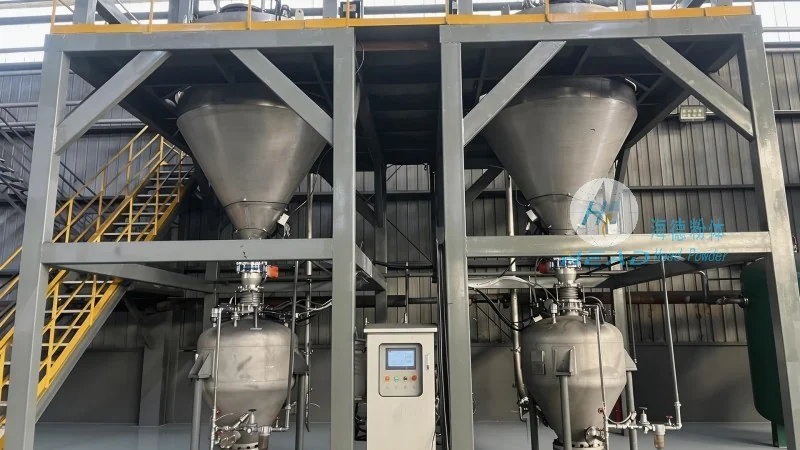
When considering the practical implementation of centralized powder material pneumatic conveying systems, several key features and advantages stand out. These systems offer a significant reduction in material loss and contamination, which is critical for industries where product purity is paramount. The enclosed pipeline design prevents dust emissions, contributing to a cleaner working environment and compliance with environmental regulations. Furthermore, the ability to control air pressure and flow rates allows for precise control over the conveying speed and material flow, ensuring consistent product quality. The system's scalability is another notable advantage, as it can be expanded or modified to accommodate increased production demands without major overhauls. In terms of maintenance, pneumatic conveying systems generally have lower maintenance requirements compared to mechanical conveyors, as there are fewer moving parts and less wear from friction. This translates to lower operational costs and higher system reliability over time.
Integration with Industrial Production Lines
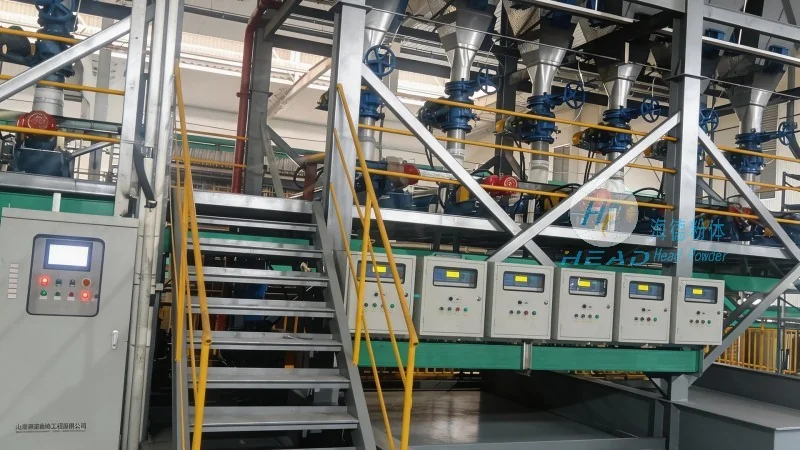
The successful integration of centralized powder material pneumatic conveying equipment into industrial production lines is a critical factor in its effectiveness. The equipment is designed to seamlessly connect with other production components, such as mixers, reactors, and packaging machines, creating a cohesive material handling system. In many manufacturing processes, the conveyor acts as a central hub, receiving materials from storage silos and distributing them to different processing stations. This centralization of material flow enhances overall production efficiency by reducing bottlenecks and improving coordination between production stages. The equipment's ability to handle multiple destinations from a single source is particularly beneficial in large-scale operations, where materials need to be routed to several production lines or storage areas simultaneously. The integration also facilitates better inventory management, as the system can provide real-time data on material flow and consumption, enabling more accurate stock control and production planning.
Case Study: Application in Pharmaceutical Manufacturing
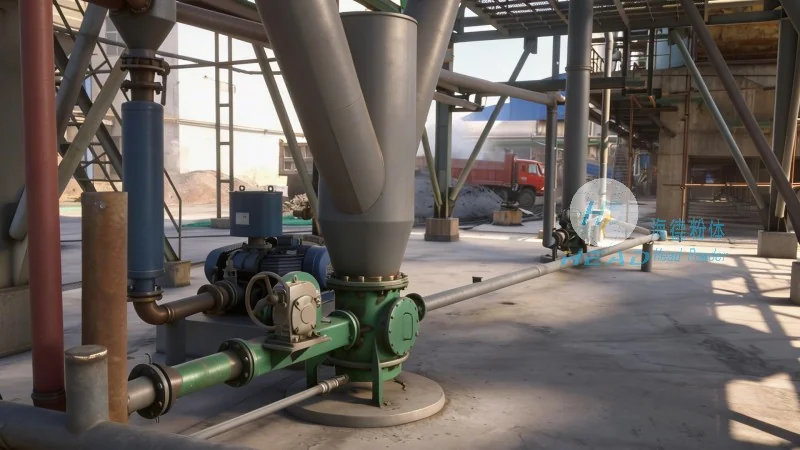
One illustrative example of the application of centralized powder material pneumatic conveying equipment is in the pharmaceutical industry. In pharmaceutical manufacturing, the handling of active pharmaceutical ingredients (APIs) and excipients requires strict adherence to GMP (Good Manufacturing Practice) standards, emphasizing purity, safety, and efficiency. The centralized pneumatic conveying system from Shandong HeadPowder Engineering Co., Ltd. has been successfully implemented in pharmaceutical plants to transport raw materials from bulk storage to production lines. The system's enclosed design and precise control over air flow ensure that the materials remain sterile and free from contamination, meeting the stringent requirements of the pharmaceutical sector. The case study highlights the system's ability to handle fine powders with high accuracy, maintaining consistent particle size distribution and preventing agglomeration, which are crucial for the quality of final pharmaceutical products. The integration of this equipment has led to improved production throughput and reduced downtime in pharmaceutical manufacturing facilities, demonstrating its value in high-stakes industrial applications.
Conclusion and Future Prospects
In conclusion, centralized powder material pneumatic conveying equipment represents a sophisticated and efficient solution for bulk powder material handling in modern industries. Its operation is based on fundamental principles of air flow and pressure differentials, enabling reliable and flexible material transport. The working scene characteristics, including adaptability, efficiency, and safety, make it an ideal choice for diverse industrial applications. The key features and advantages, such as reduced contamination, scalability, and low maintenance, further enhance its practicality. As industries continue to demand higher standards of product quality and operational efficiency, the role of such equipment is likely to expand, with potential advancements in automation and control systems. The success of these systems, as demonstrated in various industries, underscores their importance in the future of material handling technology.




