HeadPowder, a leading engineering company based in Shandong, China, specializes in the design and manufacturing of advanced pneumatic conveying systems tailored for handling PVC powders. This article delves into the fundamental principles behind PVC powder pneumatic conveying equipment and explores the key application characteristics that make it an essential solution in various industrial settings.
Introduction to PVC Powder Pneumatic Conveying
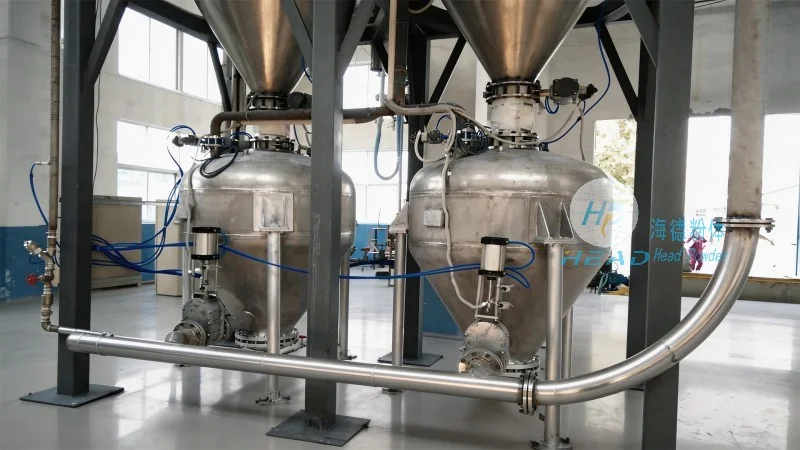
PVC powder pneumatic conveying equipment is a critical component in the processing and transportation of polyvinyl chloride (PVC) powders. These systems utilize air or gas as the conveying medium to transport PVC powders from one location to another, eliminating the need for traditional bulk handling methods such as trucks or conveyor belts. The technology is widely adopted in the PVC manufacturing industry due to its efficiency, flexibility, and ability to handle fine powders without causing dust or contamination.
Working Principle of Pneumatic Conveying Systems
The core principle of PVC powder pneumatic conveying involves creating a pressure differential between the conveying line and the ambient environment. In a typical system, a blower or compressor generates high-pressure air that is introduced into the conveying line. As the air flows through the line, it picks up PVC powder particles and transports them to the destination point. The system can operate in either positive pressure or negative pressure modes, depending on the specific requirements of the application. Positive pressure systems are commonly used for long-distance or high-capacity conveying, while negative pressure systems are preferred for short-distance or dust collection applications.
Key Components of PVC Powder Pneumatic Conveying Equipment
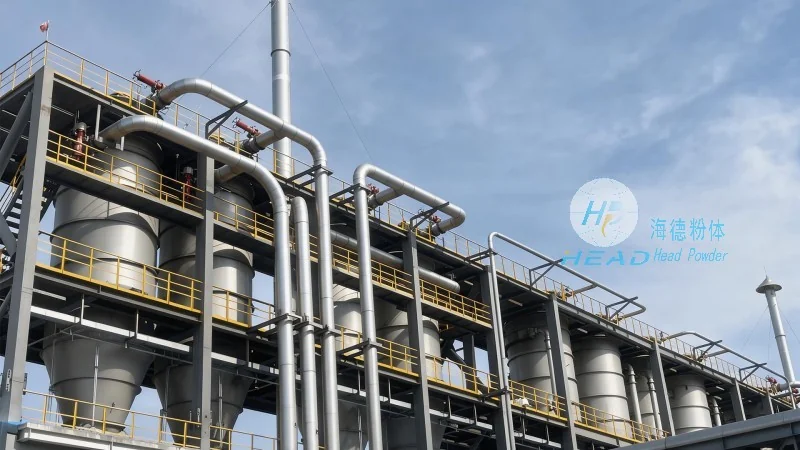
Several key components work in tandem to ensure the efficient operation of PVC powder pneumatic conveying systems. These include the air source (blower or compressor), the conveying line (usually made of stainless steel or other corrosion-resistant materials to prevent PVC powder degradation), the feed hopper (which holds the PVC powder and regulates the flow rate), the control valves (to manage air and powder flow), and the receiver (where the PVC powder is deposited). Each component is designed to handle the unique properties of PVC powders, such as their fine particle size and potential for static electricity, ensuring a smooth and reliable conveying process.
Application Characteristics and Advantages
PVC powder pneumatic conveying equipment offers several distinct advantages that make it suitable for a wide range of industrial applications. One of the primary benefits is its ability to handle fine powders without generating dust, which is crucial for maintaining a clean and safe working environment. Additionally, the system is highly flexible, allowing for changes in conveying distance or volume without significant modifications to the equipment. The technology also reduces material handling costs by eliminating the need for manual or mechanical bulk transport, and it minimizes product contamination by keeping the PVC powder enclosed within the conveying line.
Common Work Scenarios and Use Cases
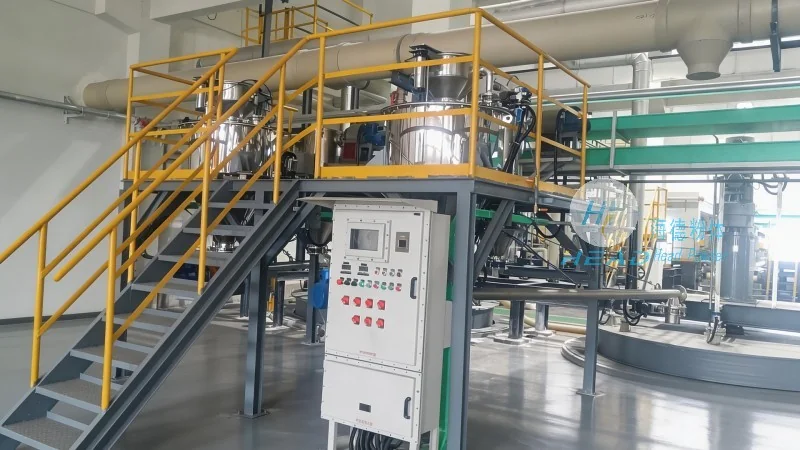
PVC powder pneumatic conveying systems are widely used in various industrial settings, including PVC resin manufacturing plants, plastic processing facilities, and chemical processing industries. In PVC resin plants, these systems are used to transport PVC powders from storage silos to processing lines, ensuring a continuous and efficient supply of raw materials. In plastic processing facilities, they are employed to convey PVC powders to extrusion or molding machines, where the powder is converted into plastic products. The systems are also used in chemical processing plants to transport PVC powders between different processing stages, such as from drying to mixing or from mixing to packaging.
Considerations for Selecting PVC Powder Pneumatic Conveying Equipment
When selecting PVC powder pneumatic conveying equipment, several factors must be considered to ensure optimal performance and efficiency. The first consideration is the capacity and conveying distance required, as these factors will determine the type of system (positive or negative pressure) and the size of the components. The second factor is the properties of the PVC powder, including its particle size, moisture content, and potential for static electricity, as these characteristics will influence the choice of materials for the conveying line and the type of feed hopper. The third consideration is the environmental and safety requirements of the application, as the system must be designed to comply with local regulations and minimize the risk of dust explosions or other hazards.
Conclusion
PVC powder pneumatic conveying equipment is a highly effective and versatile solution for handling PVC powders in industrial applications. By understanding the fundamental principles and application characteristics of these systems, industries can optimize their material handling processes, reduce costs, and improve overall efficiency. HeadPowder, with its expertise in engineering and manufacturing, provides customized pneumatic conveying solutions that meet the specific needs of PVC powder processing facilities, ensuring reliable and efficient operation.




