HeadPowder, a leading enterprise in the field of powder handling technology, specializes in providing efficient and reliable solutions for the transportation of gelatin powder. As a professional manufacturer based in Shandong, China, the company has been committed to delivering high-quality equipment tailored to the unique demands of the gelatin industry. The gelatin powder conveying system is a critical component in many production lines, ensuring smooth material flow from storage to processing units. This article delves into the operational process and underlying principles of such a system, highlighting its design, functionality, and practical applications.
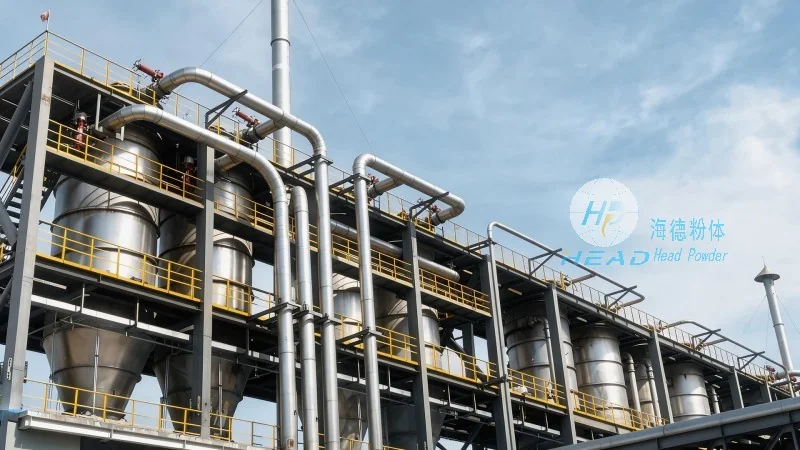
Key Components of the Gelatin Powder Conveying System
The gelatin powder conveying system typically consists of several interconnected components that work in harmony to achieve effective material transport. These components include hoppers for storage, feeders to control the flow rate, conveying mechanisms such as screw conveyors or pneumatic systems, and control panels for monitoring and adjustment. Each part plays a vital role in maintaining the integrity of the gelatin powder, preventing caking or degradation during transport. The hoppers are designed with appropriate dimensions and material (often stainless steel) to accommodate bulk gelatin powder while minimizing exposure to moisture and contaminants. The feeders, which may be rotary or vibratory, ensure a consistent and controlled discharge of powder into the conveying line. The conveying mechanism, whether mechanical or pneumatic, is selected based on the specific characteristics of the gelatin powder, such as its flowability and moisture content. For example, screw conveyors are commonly used for dry, free-flowing gelatin powders, while pneumatic systems may be preferred for more delicate or hygroscopic materials to avoid particle breakage.
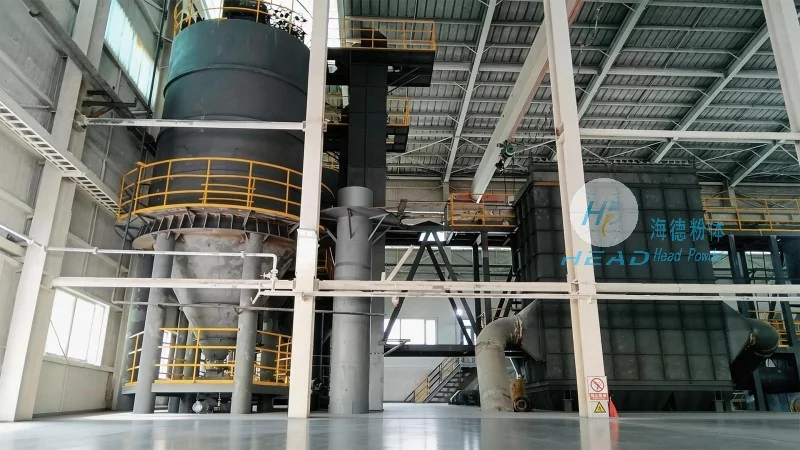
Operation Process of the Gelatin Powder Conveying System
The operation of the gelatin powder conveying system follows a systematic sequence to ensure efficient and safe material handling. The process begins with the loading of gelatin powder into the storage hopper. The powder is then discharged from the hopper into the feeder, where the flow rate is regulated to match the requirements of the downstream processing equipment. The feeder transfers the powder to the conveying mechanism, which moves it through the system to the destination point, such as a mixer, dryer, or packaging unit. Throughout this process, the system is equipped with sensors and control devices to monitor parameters like pressure, flow rate, and temperature. These sensors provide real-time feedback to the control panel, allowing operators to adjust settings as needed to maintain optimal performance. For instance, if the flow rate is too high or too low, the control system can automatically adjust the feeder speed or conveyor speed to maintain a consistent output. The system also includes safety features, such as emergency stop buttons and overload protection, to prevent accidents and equipment damage. The entire operation is designed to be automated to a large extent, reducing the need for manual intervention and minimizing the risk of human error. This automation not only improves efficiency but also enhances product quality by ensuring consistent material handling.
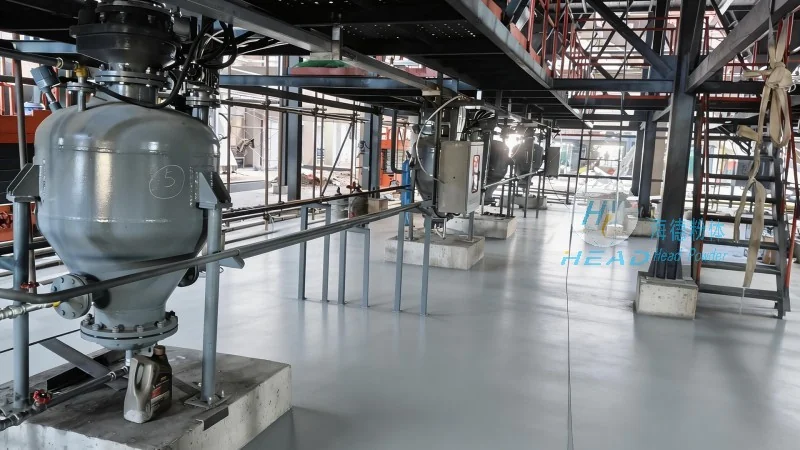
Working Principle of the Gelatin Powder Conveying System
The working principle of the gelatin powder conveying system is based on the physical properties of the material and the mechanical or pneumatic forces applied to move it. In a mechanical conveying system, the primary force is the rotational motion of a screw or auger, which pushes the powder forward through a tube or trough. The screw's pitch and diameter are carefully designed to match the flow characteristics of the gelatin powder, ensuring smooth and continuous transport without excessive pressure or friction. The system operates under a slight pressure gradient, with the hopper at a higher elevation than the discharge point, which helps to maintain the flow of powder. In a pneumatic conveying system, the gelatin powder is carried by a stream of air or gas. The powder is introduced into the conveying line at a specific point, and the air flow propels it to the destination. The system may use positive pressure (blowers) or negative pressure (vacuum pumps) to move the material. The choice between mechanical and pneumatic conveying depends on factors such as the powder's moisture content, particle size, and the distance to be conveyed. For gelatin powder, which is often hygroscopic and prone to caking, pneumatic systems are sometimes preferred as they minimize contact with metal surfaces and reduce the risk of particle degradation. The working principle also involves the use of air classifiers or cyclones in some systems to separate larger particles or debris from the powder stream, ensuring that only the desired gelatin powder reaches the processing unit. This separation process is crucial for maintaining the quality of the final product and preventing contamination.
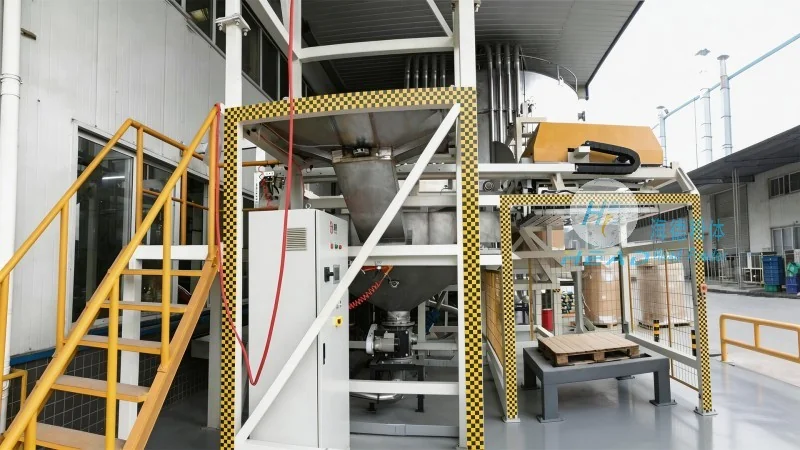
Advantages and Applications of the Gelatin Powder Conveying System
The gelatin powder conveying system offers several advantages that make it an ideal choice for the gelatin industry. One of the key benefits is its ability to handle bulk gelatin powder efficiently, reducing labor costs and improving production throughput. The system is also designed to maintain the quality of the powder by minimizing exposure to air, moisture, and contaminants, which is critical for gelatin products used in food, pharmaceuticals, and cosmetics. Additionally, the system is highly customizable, allowing it to be adapted to different production scales and process requirements. This flexibility makes it suitable for both small-scale and large-scale production facilities. The gelatin powder conveying system is widely used in various applications, including the transportation of gelatin from storage silos to mixing tanks in food processing plants, the delivery of gelatin to spray dryers for powder production, and the transfer of gelatin to packaging lines for final product distribution. In pharmaceutical applications, the system ensures that gelatin powder is handled hygienically and in compliance with GMP (Good Manufacturing Practice) standards, which is essential for maintaining product safety and efficacy. The system's reliability and low maintenance requirements also contribute to its popularity among manufacturers, as it reduces downtime and operational costs. Overall, the gelatin powder conveying system is a vital component in modern production lines, enabling efficient and safe handling of gelatin powder while meeting the stringent requirements of the industry.




