For agricultural and livestock farming operations, the efficient handling of manure is crucial for maintaining hygiene, reducing waste, and optimizing resource utilization. A key technology in this domain is the dry manure powder conveying equipment, which transforms liquid or semi-liquid manure into a dry, manageable powder for easier transport and storage. This equipment is designed to handle large volumes of manure while ensuring minimal environmental impact and operational efficiency.
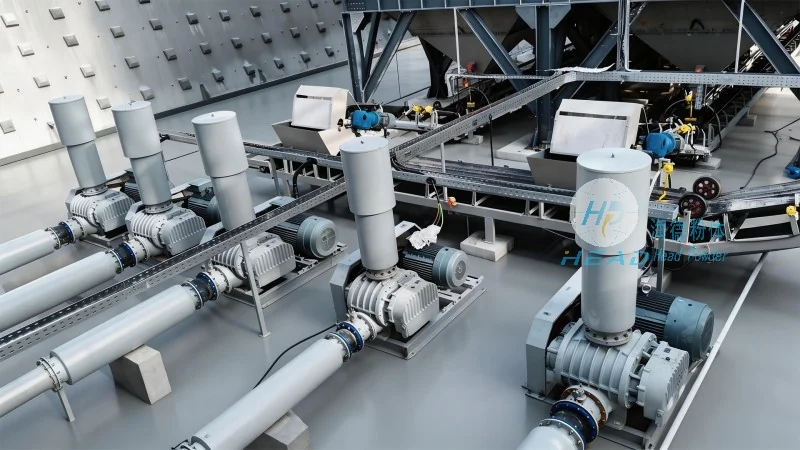
Working Principle of the Dry Manure Powder Conveying System
The core of the dry manure powder conveying equipment lies in its integrated process of dehydration, grinding, and pneumatic transport. The system typically begins with the collection of raw manure, which may be in a liquid or semi-solid state. This material is then fed into a dehydration unit where moisture is removed through mechanical or thermal processes, resulting in a drier, more concentrated manure product. Following dehydration, the material is passed through a grinding mechanism that breaks down any solid particles into a fine powder, ensuring uniform particle size and consistency. The final step involves pneumatic conveying, where the dry manure powder is transported through a network of pipes using compressed air or other gas streams. This method allows for long-distance transport without the need for mechanical components like belts or chains, reducing maintenance and operational costs.
Key Components and Their Functions
Several critical components work in tandem to ensure the smooth operation of the dry manure powder conveying equipment. The first is the dehydrator, which may use belt filters, centrifuges, or thermal dryers to remove excess water from the manure. The efficiency of the dehydrator directly impacts the final moisture content of the powder, which is essential for its usability and transportability. Next is the grinder, often equipped with high-speed blades or hammer mills, that reduces the dehydrated manure into a fine powder. The grinder's design, including its speed and blade configuration, determines the particle size distribution, which affects how the powder behaves during transport and storage. The pneumatic conveyor system, comprising of a blower, ducts, and control valves, is responsible for moving the dry powder from the processing unit to the storage or disposal site. The blower generates the necessary air pressure to propel the powder through the pipes, while the control valves regulate the flow rate and direction, ensuring consistent and reliable transport.
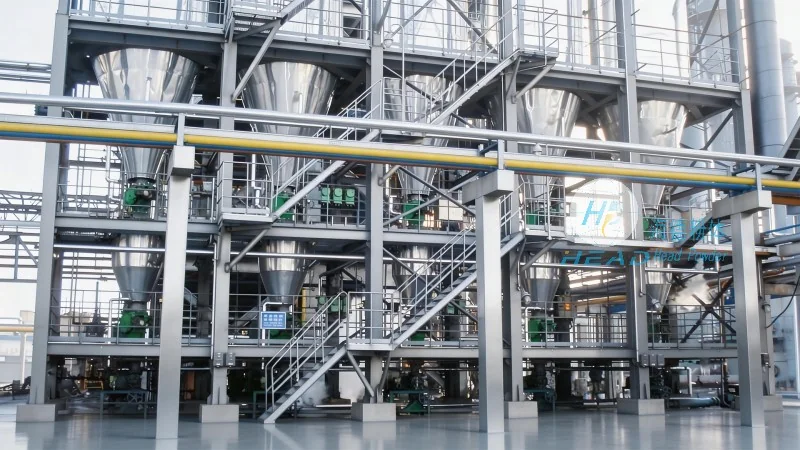
Operation Process Step-by-Step
The operation of the dry manure powder conveying equipment follows a systematic sequence that maximizes efficiency and minimizes downtime. The process starts with the manure intake, where raw manure is delivered to the equipment via a hopper or conveyor belt. The manure is then dehydrated in the dehydration unit, where water is separated and collected for reuse or disposal. After dehydration, the material is ground into a fine powder by the grinder. The dry powder is subsequently conveyed through the pneumatic system to the designated storage or processing area. Throughout each step, sensors and control systems monitor parameters such as moisture content, particle size, and air pressure, allowing for real-time adjustments to maintain optimal performance. This closed-loop system ensures that the equipment operates continuously and efficiently, even with varying input manure qualities.
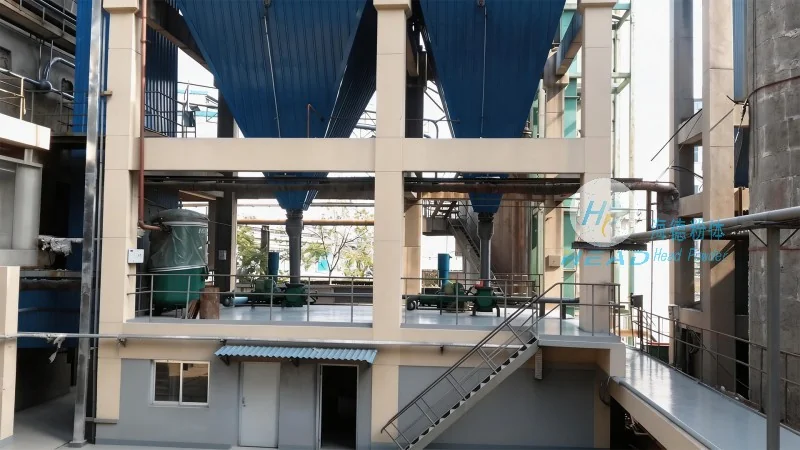
Benefits and Applications
The adoption of dry manure powder conveying equipment offers numerous benefits for agricultural and waste management operations. Primarily, it significantly reduces the volume of manure, making it easier to transport and store, which in turn lowers transportation costs and storage space requirements. The dry powder form also minimizes odor and pathogen spread, improving environmental and public health outcomes. Additionally, the equipment enables the recycling of manure as a nutrient-rich fertilizer, contributing to sustainable agricultural practices. These benefits make the dry manure powder conveying equipment suitable for large-scale livestock farms, dairy operations, and waste management facilities that handle substantial amounts of manure.
About Shandong HeadPowder Engineering Co., Ltd.
Shandong HeadPowder Engineering Co., Ltd., operating under the brand name headpowder, is a leading manufacturer of specialized equipment for the agricultural and waste management sectors. With a focus on innovation and quality, the company has developed advanced dry manure powder conveying systems that meet the evolving needs of modern farming and waste processing. Headpowder's equipment is designed to be durable, energy-efficient, and easy to maintain, ensuring long-term reliability and cost-effectiveness for clients. The company's headquarters is located in Shandong, China, where it continues to research and develop cutting-edge solutions for efficient manure handling and resource utilization.




