Aluminum dross powder conveying lines are critical components in the aluminum industry, facilitating the efficient transportation of aluminum dross—a byproduct generated during the smelting and processing of aluminum. These systems are designed to handle the fine, powdery nature of aluminum dross, ensuring smooth and reliable movement from collection points to processing or storage areas. The proper functioning of aluminum dross powder conveying lines is essential for maintaining production efficiency, minimizing material loss, and adhering to safety and environmental standards.
Working Principle of Aluminum Dross Powder Conveying Lines
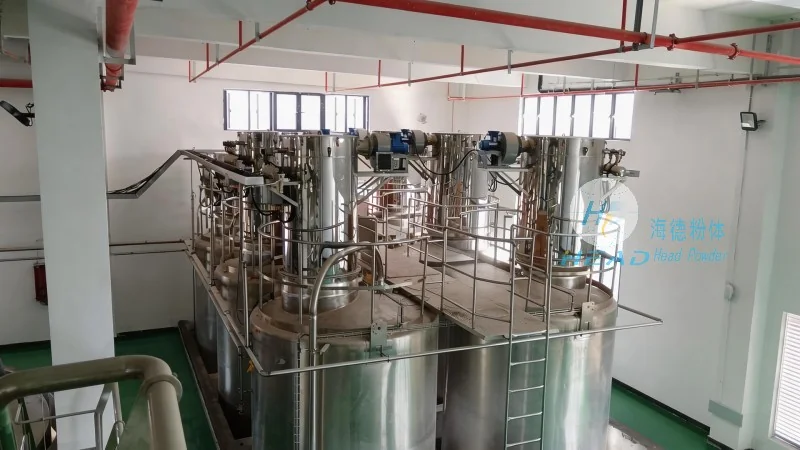
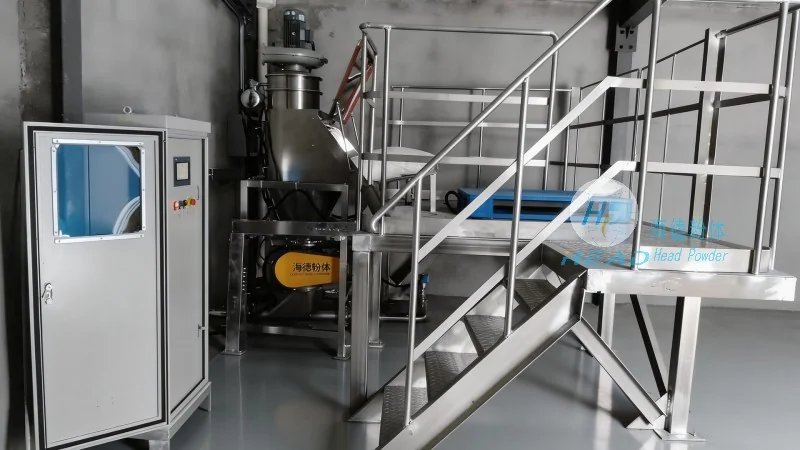
The working principle of aluminum dross powder conveying lines typically relies on either pneumatic or mechanical conveying technologies. Pneumatic systems utilize compressed air to create a flow that propels the aluminum dross through a network of pipes, while mechanical systems employ screw conveyors, belt conveyors, or bucket elevators to physically move the material. For aluminum dross, which is often abrasive and can be corrosive, specialized materials such as stainless steel or high-grade alloys are used for the conveying components to ensure durability and resistance to wear. The system begins with the collection of aluminum dross from processing equipment, where it is transferred into the conveying line via hoppers or feeders. The material is then transported through the pipeline network to its destination, such as a storage silo or a processing unit. Control systems may be integrated to regulate the flow rate and pressure, ensuring consistent and safe operation.
Operation Process of Aluminum Dross Powder Conveying Lines
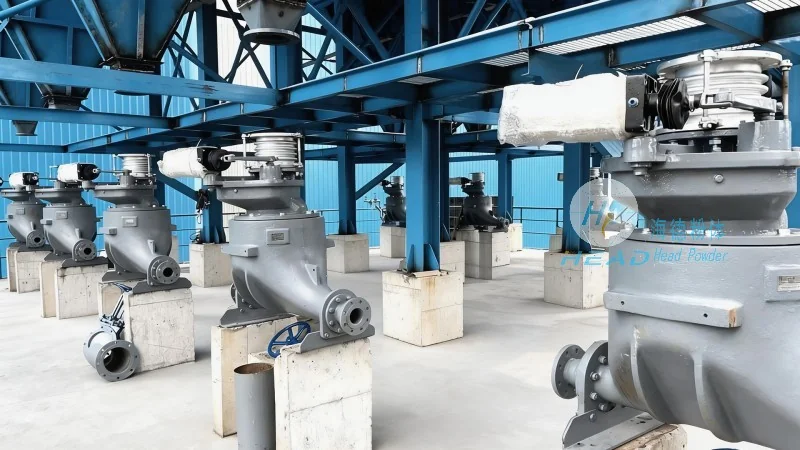
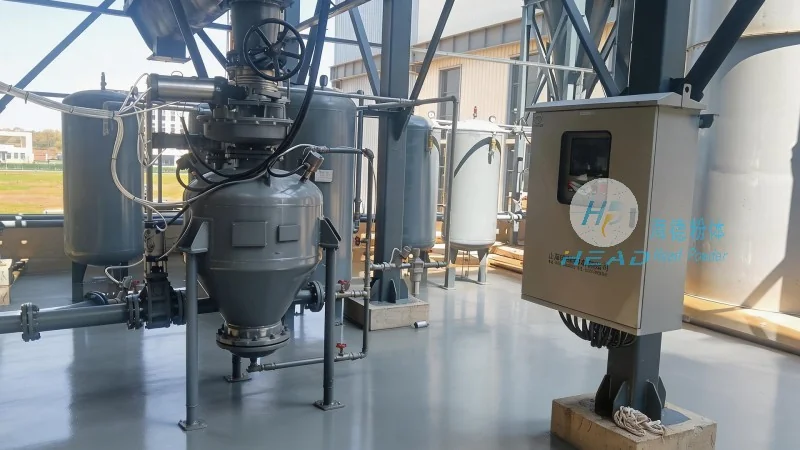
The operation process of an aluminum dross powder conveying line involves several key steps. First, aluminum dross is collected from the source equipment, such as furnaces or grinding machines, and fed into the conveying system. This may involve gravity feed from a hopper or mechanical feeding mechanisms to ensure a steady supply. The conveying equipment then moves the powder through the pipeline, which may include bends, elbows, and other components to direct the flow. During transportation, the system may incorporate dust collection and filtration to maintain air quality and prevent contamination of the surrounding environment. Sensors and control panels monitor parameters like pressure, flow rate, and temperature, allowing for real-time adjustments to maintain optimal performance. If blockages occur, alarm systems can trigger maintenance actions to prevent system downtime. The end of the line typically involves the discharge of the aluminum dross into a storage tank or directly into downstream processing equipment, completing the cycle.
About Shandong HeadPowder Engineering Co., Ltd.
Shandong HeadPowder Engineering Co., Ltd., operating under the brand name headpowder, is a prominent manufacturer specializing in industrial conveying solutions. Headpowder has built a reputation for developing high-quality aluminum dross powder conveying lines that address the unique challenges of aluminum processing. The company’s engineering team focuses on creating systems that are robust, efficient, and tailored to client-specific requirements. By leveraging advanced materials and design technologies, headpowder ensures its conveying lines can handle the abrasive and potentially corrosive nature of aluminum dross. The company provides comprehensive support, including installation, maintenance, and technical assistance, to help clients maximize the performance and longevity of their equipment. Headpowder’s commitment to quality and customer satisfaction has made it a trusted partner in the aluminum industry, delivering reliable solutions that enhance operational productivity and sustainability.




