At Shandong HeadPowder Engineering Co., Ltd., we specialize in the design and manufacturing of advanced powder conveying systems, including the lithium hexafluorophosphate powder conveyors. Our equipment is engineered to handle the unique challenges associated with transporting lithium hexafluorophosphate, a critical material in lithium-ion battery production. This article provides a detailed overview of the operation process and working principle of our powder conveyors, highlighting their efficiency, reliability, and adaptability for industrial applications.
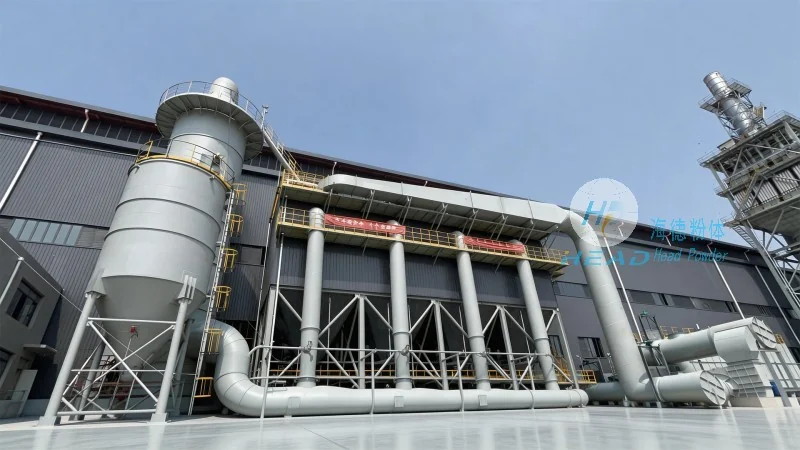
Company Overview: HeadPowder Engineering
HeadPowder, the brand under Shandong HeadPowder Engineering Co., Ltd., is a leading manufacturer of powder handling solutions. With a focus on innovation and precision engineering, we develop equipment tailored to meet the specific needs of various industries, particularly those involved in battery materials and chemical processing. Our headquarters are located in Shandong, China, where our team of experts works diligently to ensure the highest quality standards in every product we deliver.
Key Features of Lithium Hexafluorophosphate Powder Conveyors
Our lithium hexafluorophosphate powder conveyors are designed with several key features that enhance performance and safety. These include robust construction to withstand the abrasive nature of the material, precise control systems for accurate flow regulation, and integrated safety mechanisms to prevent material leakage or contamination. The conveyors are also equipped with advanced monitoring capabilities, allowing for real-time tracking of the powder flow and system status. This ensures optimal operation and quick identification of any potential issues.
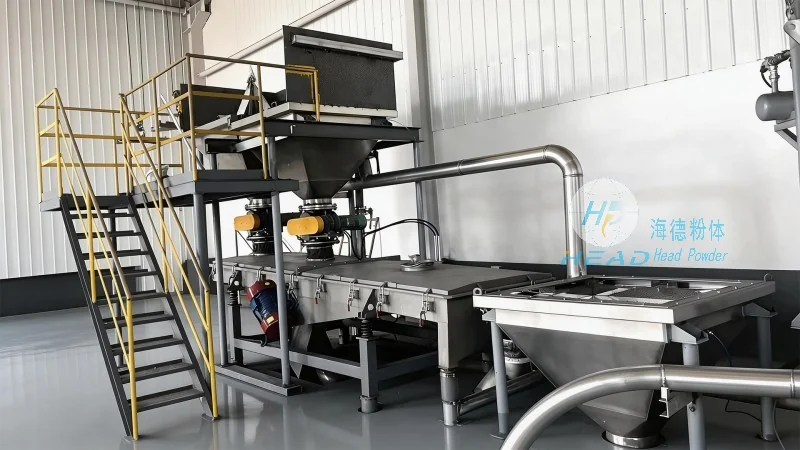
Working Principle of the Powder Conveying System
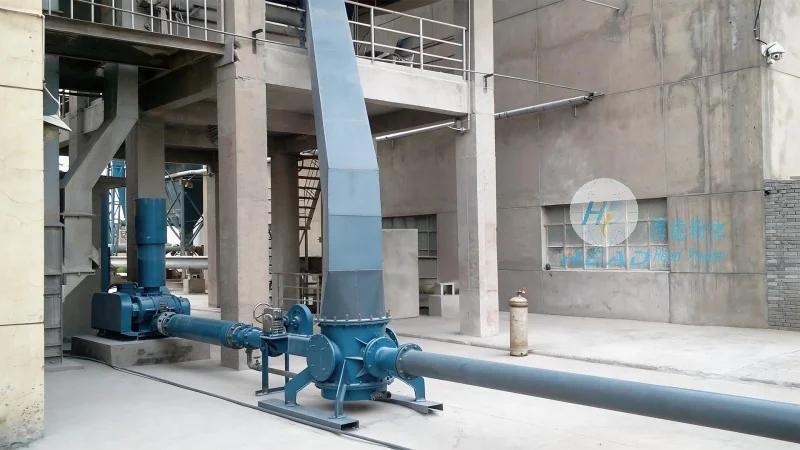
The operation of our lithium hexafluorophosphate powder conveyors is based on a combination of mechanical and pneumatic principles. The system typically consists of a hopper, a feeding mechanism, a conveying tube, and a discharge outlet. The process begins with the material being fed into the hopper, where it is stored and prepared for transport. A feeding device, such as a rotary valve or a screw feeder, then regulates the flow of powder into the conveying tube. The conveying tube is often equipped with a series of vanes or a positive displacement pump that uses compressed air or a vacuum system to move the powder through the tube.
Step-by-Step Operation Process
The operation process of the lithium hexafluorophosphate powder conveyor involves several key steps, each designed to ensure efficient and safe material handling. First, the hopper is filled with the lithium hexafluorophosphate powder, and the feeding mechanism is activated to control the initial flow rate. Next, the conveying system is started, using either positive pressure or negative pressure to move the powder through the tube. The powder is then discharged from the outlet into the next processing stage. Throughout the process, the system monitors parameters such as pressure, flow rate, and temperature to maintain optimal performance. Any deviations are automatically detected and corrected by the control system, ensuring consistent and reliable operation.
Advantages of Using HeadPowder's Conveyors
Implementing our lithium hexafluorophosphate powder conveyors offers several advantages for industrial operations. These include improved efficiency in material handling, reduced labor costs due to automated processes, and enhanced safety by minimizing direct human contact with the powder. The equipment also contributes to better product quality by preventing contamination and ensuring consistent flow rates. Additionally, our conveyors are designed for easy maintenance and cleaning, which helps to extend the equipment's lifespan and reduce downtime.
Application in Lithium-Ion Battery Production
Lithium hexafluorophosphate is a critical component in the production of lithium-ion batteries, and efficient powder handling is essential for maintaining high production yields. Our conveyors are specifically designed to handle this material with precision, ensuring that the powder is transported without degradation or loss. The system's ability to maintain consistent flow rates and pressure levels is crucial for the subsequent steps in battery manufacturing, such as mixing and coating. By using our conveyors, manufacturers can achieve higher throughput and lower production costs, making our equipment a valuable asset in the battery industry.




